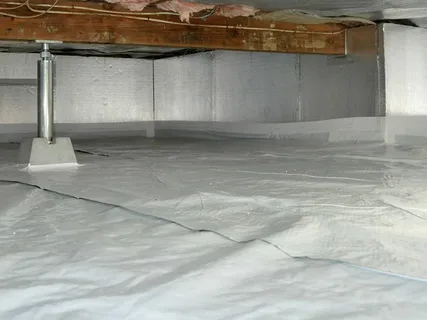
Crawlspace spray foam that Charlotte residents often choose works by creating an airtight seal that blocks moisture, pests, and outdoor air from entering a home’s foundation. This material expands to fill gaps and cracks, stopping the humid North Carolina air from condensing on floor joists and subflooring. By sealing the home from the ground up, you prevent wood rot, maintain structural integrity, and lower monthly energy costs.
This guide explains the mechanics of foam insulation in local crawlspaces and how it addresses specific regional challenges. With years of field experience in building science, experts recognize that traditional methods often fail in high-humidity zones. You will learn about material differences, installation benefits, and the long-term impact on your home value.
1. Blocking North Carolina Humidity and Moisture
Charlotte experiences high humidity levels for much of the year, which can lead to standing water or dampness under your house. Traditional fiberglass batts act like sponges, holding onto moisture and eventually sagging or falling out of place. This creates a mess and fails to protect your wood.
When you use crawlspace spray foam in Charlotte, the material acts as a vapor barrier and insulation in one step. It does not absorb water and prevents humid air from reaching cold surfaces. This stops the cycle of condensation that leads to mold growth and musty smells inside your living areas.
- Closed-cell foam provides a rigid barrier against liquid water.
- It eliminates the “stack effect,” in which air rises from the crawlspace into your house.
- The material seals around plumbing penetrations where air usually leaks.
- It helps keep your floors warm during the winter months.
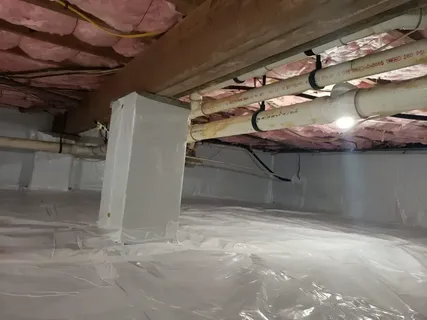
2. Improving Structural Durability and Foundation Health
The foundation of your home supports every other part of the building. Wood rot is a common issue in the Southeast due to the damp conditions in vented crawlspaces. When wood stays wet, it softens, attracting wood-boring insects and causing floors to become uneven or bouncy.
A professional crawl space insulation company will often recommend spray foam because it adds structural strength to the walls or joists it adheres to. Since it sticks directly to the surface, there are no air gaps where moisture can hide. This keeps your floor joists dry and strong for decades.
3. Comparing Insulation Materials for Local Homes
Not all insulation materials are equal when dealing with the red clay and damp soil of the Piedmont region. Making the right choice depends on your specific foundation type and your goals for energy efficiency. Most homeowners find that the initial investment in foam pays off through durability and performance.
| Feature | Fiberglass Batts | Open-Cell Spray Foam | Closed-Cell Spray Foam |
|---|---|---|---|
| Moisture Resistance | Low (Absorbs water) | Moderate | High (Waterproof) |
| Air Sealing | None | Excellent | Superior |
| Structural Strength | None | Low | High |
| R-Value per Inch | 3.0 – 3.7 | 3.5 – 3.9 | 6.0 – 7.0 |
| Lifespan | 10-15 years (if dry) | 20+ years | 30+ years |
4. How Does Spray Foam Reduce Energy Bills?
Many people ask how insulating the ground level affects the rest of the house. Your HVAC system works harder when unconditioned air leaks in from below. In the summer, hot and humid air enters the crawlspace, while in the winter, cold air pulls heat out through the floorboards.
By installing spray foam insulation, Charlotte NC experts recommend, you create a thermal envelope. This means your air conditioner and furnace don’t have to cycle as often to maintain a steady temperature. Many homeowners see a noticeable drop in their utility bills almost immediately after the installation is finished.
Eliminating Heat Transfer Through Floors
Thermal bridging occurs when heat moves through the solid parts of your foundation. Spray foam stops this process by providing a continuous layer of high-R-value insulation that fiberglass cannot match.
Reducing HVAC Wear and Tear
When your crawlspace is sealed, your equipment doesn’t have to fight extreme temperature swings. This extends the life of your heating and cooling units while decreasing the need for frequent repairs.
5. Better Indoor Air Quality for Your Family
A large portion of the air you breathe on the first floor of your home actually comes from the crawlspace. If that area is filled with mold spores, dust mites, or pest droppings, those pollutants enter your living space. This can trigger allergies or asthma for those living in the house.
Choosing crawlspace insulation services helps seal out these contaminants. Since the foam creates a tight seal, pests like mice and cockroaches find it much harder to enter the home. You end up with a cleaner, healthier environment for everyone inside.
Bonus Tip: Before installing foam, ensure any existing drainage issues or standing water are repaired so the foam adheres to a dry surface.
6. Understanding the Installation Process
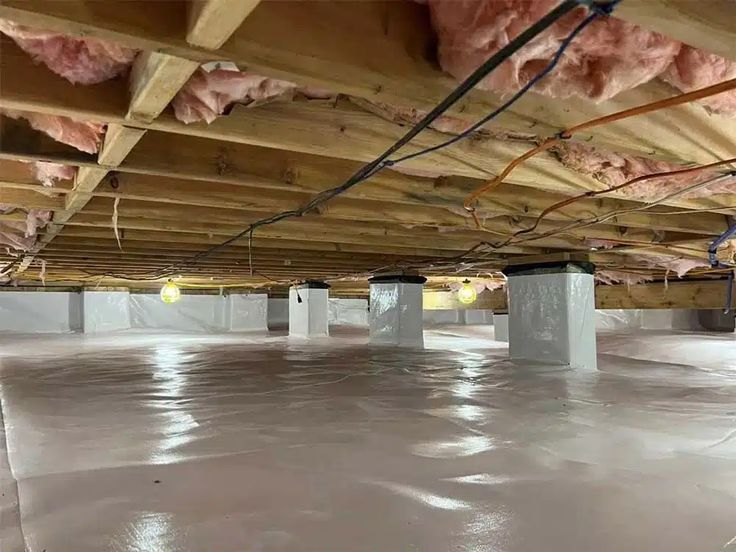
The process of upgrading your home begins with a thorough inspection of the current conditions. Technicians look for existing mold, wood damage, or leaks that need attention before applying the foam. Once the area is prepared, the application is relatively quick but requires specialized equipment.
If you are searching for “crawl space insulation near me,” look for providers who understand local building codes. They will ensure the proper thickness is applied and that any necessary fire barriers are in place. The foam is sprayed as a liquid and expands within seconds, forming a permanent bond with the foundation walls or floor.
7. Factors to Consider Before You Choose an Insulation Method
Before you commit to a specific type of insulation, evaluate the long-term goals for your property. While some options have a lower upfront cost, they may require replacement every few years if they become damp or infested with pests.
Evaluating Your Long-Term Budget
While foam has a higher initial cost, it often pays for itself through energy savings and the lack of replacement needs. Consider how many years you intend to stay in your current residence.
Assessing Current Moisture Issues
If your home has a history of flooding, you must address the water source first. Spray foam is an excellent barrier, but it should be part of a comprehensive water management strategy.
Bonus Tip: Check with your local utility provider, as they sometimes offer rebates or incentives for upgrading to high-efficiency insulation, such as spray foam.
How to Get Expert Assistance for Your Charlotte Insulation Project
Deciding on the right protection for your home is easier with professional guidance. You can reach out to Spray Foam Pro LLC & Fiberglass for a detailed assessment of your property. They offer a range of solutions, including residential and commercial options, to keep your foundation dry and your energy bills low. Whether you need help with a new construction or an older home, their team provides reliable service across the region. You can contact them at (910) 606-6247 or email [email protected] to request a free quote.
Summary of Benefits for Your Home
Upgrading your foundation with modern insulation provides a lasting solution to common home ownership headaches in the Southeast. By choosing high-quality material, you protect your wood from rot, prevent pest infestations, and significantly improve your indoor air quality. This investment not only makes your living space more comfortable but also increases your property’s resale value by ensuring a dry, stable foundation. You should evaluate your home’s current humidity levels and energy costs to determine whether now is the right time to transition away from traditional, less-effective materials.
What Are the Most Common Questions About Crawlspace Insulation?
Can spray foam be applied if the crawlspace is damp?
The surfaces must be dry to the touch for the foam to bond correctly. A professional team will use dehumidifiers or fans to dry out the area before starting the application process.
Does this insulation attract pests like termites?
Closed-cell spray foam is not a food source for pests. In fact, it often deters them by sealing the entry points they would otherwise use to get into your house.
How long does the installation typically take for a standard home?
Most residential projects in the area can be completed in one to two days, depending on the size of the crawlspace and the amount of old material to be removed.
Is there a strong odor after the foam is installed?
There is a brief period of off-gassing during application, but with proper ventilation, any odor typically dissipates within 24 hours, leaving no lingering odor.
Will I still need a dehumidifier after the foam is installed?
While the foam blocks most moisture, an encapsulation system with a dedicated dehumidifier is often recommended in North Carolina to maintain perfect humidity levels year-round.