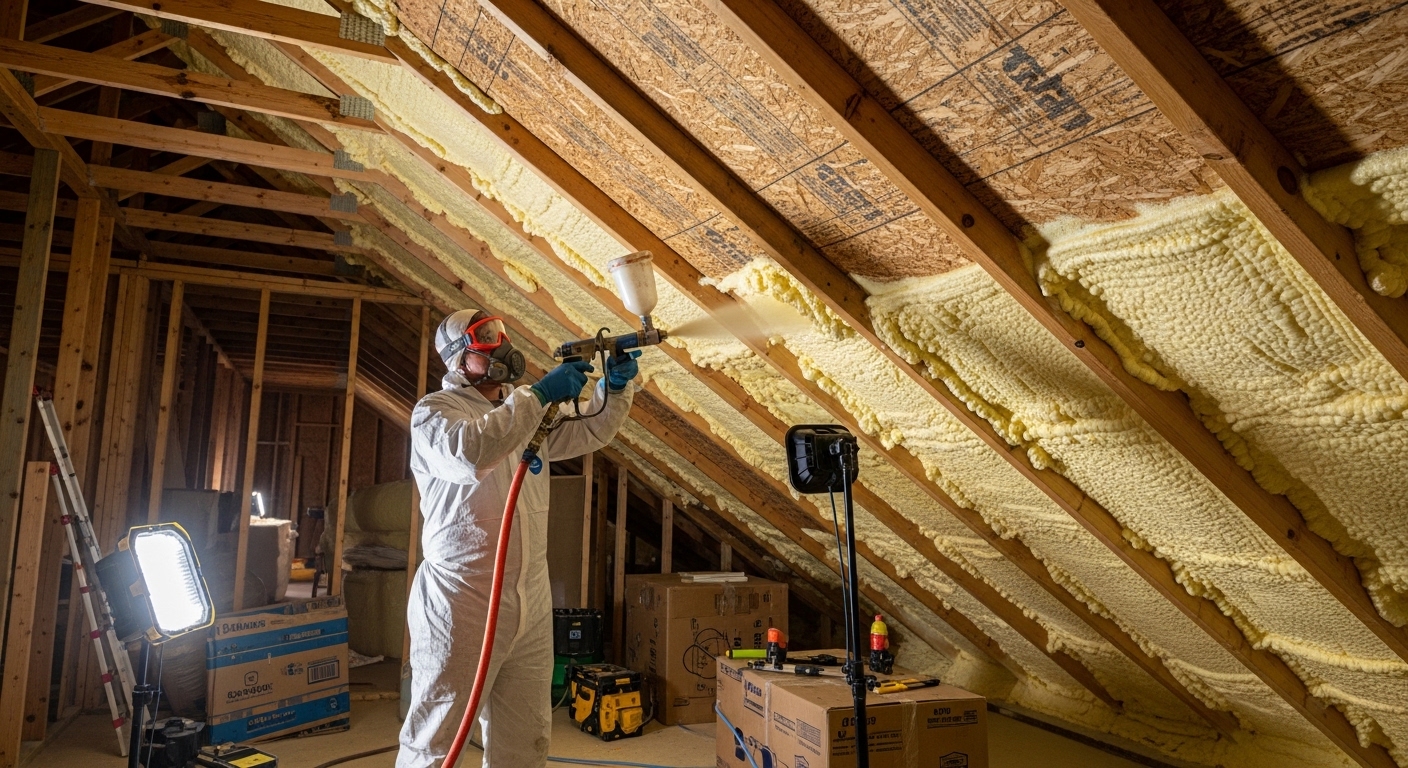
Homeowners in Southcentral Alaska face extreme seasonal temperature swings, making home heating a major expense. Utilizing spray foam insulation to meet the energy efficiency standards of Alaska allows you to secure a complete thermal boundary that stops drafty air leaks. This high-performing material seals tiny cracks and gaps where heat escapes, keeping your living space warm even during sub-zero winters.
This guide examines how upgrading your thermal envelope preserves heat, lowers utility bills, and stabilizes indoor temperatures. Building science experts agree that air sealing is the most effective way to optimize residential energy use in harsh subarctic conditions.
- You prevent drafty air from entering living spaces.
- You minimize heat loss through structural bypasses.
- You protect your home from moisture damage and mold.
- You improve overall indoor air quality and comfort.
How Cold Climate Heat Loss Occurs in Alaska Homes
In Wasilla, winter winds force freezing air through minor structural joints and electrical penetrations. This displacement pushes your warm indoor air out through the roof, forcing heating systems to run constantly. Traditional fiberglass batts often fail to stop this movement because they lack air-sealing capabilities.
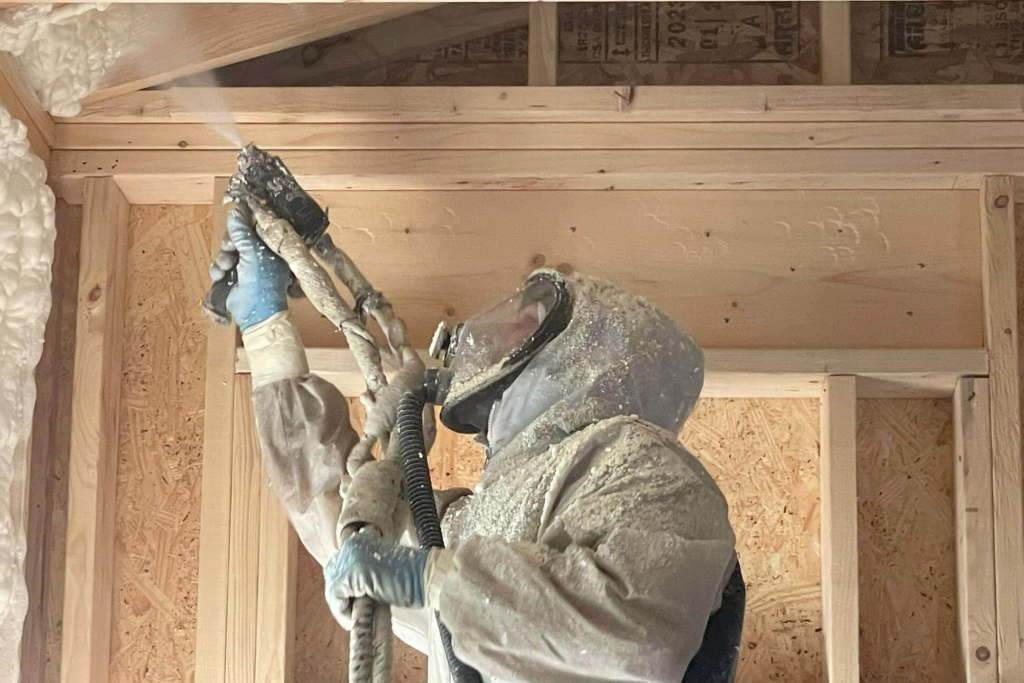
Using modern spray foam insulation in Wasilla, AK addresses this specific problem by expanding to fill every void.
- It blocks convective air currents that bypass fiberglass.
- It adheres directly to wood studs and concrete foundations.
- It prevents warm air from migrating into the cold attic space.
- It reduces the workload on your home heating equipment.
By sealing these pathways, you achieve a stable thermal barrier that maintains comfortable indoor temperatures year-round. This combination explains why modern spray foam insulation energy efficiency Alaska specifications recommend dense thermal layers for maximum cold-weather performance.
Performance Metrics for Northern Insulation Materials
Selecting the right material requires understanding thermal resistance, measured in R-value per inch. In cold regions, space is limited, so maximizing R-value per inch of thickness is a primary goal.
- Closed-cell formulas offer the highest R-value per inch of any common building material.
- Open-cell alternatives provide excellent sound dampening and air sealing for interior walls.
- Fiberglass and cellulose remain prone to settling and lose performance if moisture gets inside.
The following data outlines how different materials perform under standard northern operating conditions:
Insulation Material Performance Comparison in Cold Climates
| Insulation Material Type | R-Value Per Inch | Air Barrier Capability | Moisture Resistance Level |
|---|---|---|---|
| Closed-Cell Spray Foam | R-6.5 to R-7.0 | High (Built-in) | High (Vapor Barrier) |
| Open-Cell Spray Foam | R-3.5 to R-4.0 | Medium (At 3+ inches) | Low (Vapor Permeable) |
| Fiberglass Batts | R-3.1 to R-3.5 | None (Requires wrap) | Low (Holds Moisture) |
| Blown-In Cellulose | R-3.2 to R-3.8 | None (Requires wrap) | Low (Absorbs Moisture) |
Preventing Ice Dams and Condensation in Southcentral Alaska
When heated air escapes into your cold attic, it warms the roof deck and melts the snow sitting above it. This melted water runs down to the cold eaves, freezes, and forms destructive ice dams that damage shingles and gutters. Utilizing energy-efficient insulation and Alaska methods protects your home from this cycle.
In addition, high indoor humidity in winter can condense on cold exterior walls, creating hidden moisture issues.
- Closed-cell foam acts as a vapor retarder to prevent condensation.
- It stops warm, humid air from contacting cold roof decks.
- It eliminates the spaces where mold spores thrive.
- It provides a continuous seal across irregular framing.
By investing in spray foam insulation that meets Alaska’s energy efficiency standards, you stop this heat transfer and save your roof from costly repairs.
How Much Can You Save with Upgraded Insulation
According to local building performance studies, heat loss through the ceiling and walls accounts for roughly 40 percent of a home’s total heat loss in northern climates. Upgrading to high-quality spray foam insulation in Wasilla, AK, properties use can reduce heating bills by up to 30 to 50 percent. This rapid return on investment is due to the combined power of high thermal resistance and complete air sealing.
- Air leaks at the bottom of the home pull cold air in.
- Air leaks at the top of the home push warm air out.
- Sealing both ends minimizes this stack effect.
- This results in a warmer floor and more consistent indoor temperatures.
Getting professional insulation installation services ensures these areas are addressed correctly using the right foam density for the specific application. When you prioritize spray foam insulation energy efficiency in Alaska solutions, you ensure your heating system does not run continuously during winter storms.
Bonus Tip: When upgrading an existing house, focus on the crawl space and attic first, as these areas experience the most severe air pressure differences.
Key Factors to Evaluate Before Choosing an Insulation Plan
Before starting your project, you must weigh several variables to ensure you select the best approach for your specific property. Not every area of a home requires the same type of material or thickness. Evaluating these elements ensures your choice meets the spray foam insulation energy efficiency Alaska guidelines and provides lasting protection.
- Structure age: Older homes may require retrofitting inside wall cavities, whereas new builds offer open studs.
- Crawl space condition: Damp dirt crawl spaces require a complete vapor barrier along with foundation wall sealing.
- Ventilation needs: Tight homes must have balanced mechanical ventilation to maintain indoor air quality.
- Budget goals: Closed-cell foam offers a higher R-value per inch but carries a higher initial cost than open-cell foam.
Bonus Tip: Always ask your installer if they carry specialized equipment for cold-weather installation, as applying foam below freezing temperatures requires proper substrate prep and heated hoses.
Specialized Areas that Benefit Most from Spray Foam Application
Certain parts of a building are especially vulnerable to the severe winter weather of the Matanuska-Susitna Valley. Addressing these spots first provides the most immediate relief from high heating costs. Addressing these thermal weak points is the primary goal of professional spray foam insulation Alaska teams.
- Crawl spaces: Cold floors are a common complaint, but sealing crawl space walls stops cold drafts at the source.
- Rim joists: These wooden framing members sit directly on the cold foundation and are notorious for air leaks.
- Vaulted ceilings: These areas have limited space for bulky traditional insulation, making thin, high-performance foam ideal.
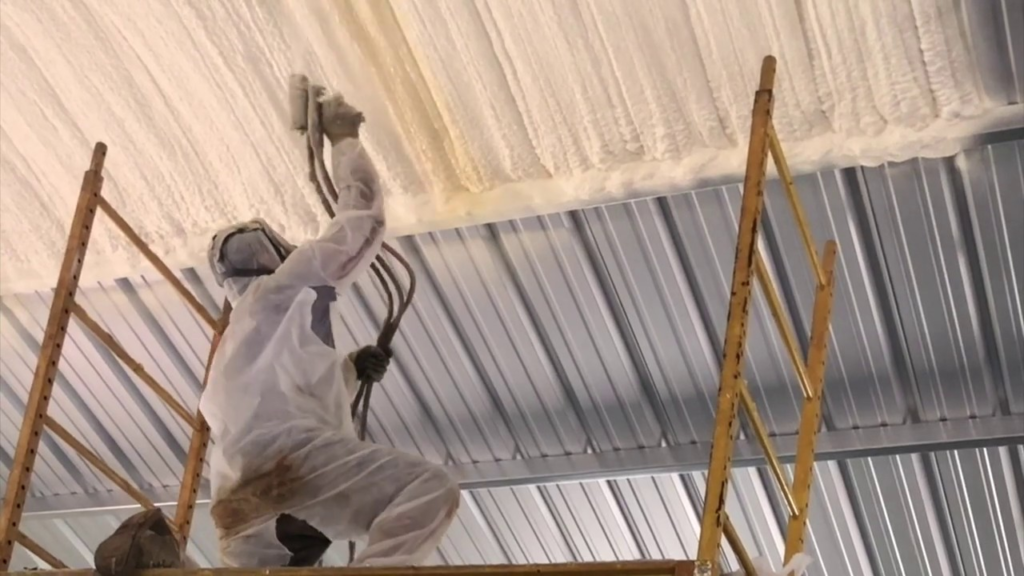
- Metal buildings: Steel structures sweat when heated, but closed-cell foam prevents this damaging condensation.
Making Your Decision for Long-Term Efficiency
Improving your home’s thermal boundary is a practical step toward lowering winter energy costs and protecting your property from freeze damage. High thermal performance, continuous air sealing, and superior moisture control combine to deliver stable indoor comfort. You can achieve reliable results by identifying your home’s weakest areas and selecting the appropriate foam thickness.
- Assess your current energy bills to identify potential heating waste.
- Examine your crawl space and attic for drafts or frozen spots.
- Evaluate your long-term budget and expected home tenure.
- Consult with an experienced professional to design a customized plan.
Consider your specific property layout, utility budget, and comfort goals to find the right path forward.
Learn More About High-Performance Insulation Options for Your Home
If you are ready to upgrade your property’s thermal performance, the team at Polyseal Insulation is here to help. They provide expert solutions, including Residential Spray Foam, Closed-Cell Spray Foam, and crawl space upgrades tailored for northern climates. Request a free quote today to see how these professional services can lower your winter heating bills. Contact them at (907) 341-4848 or send an email to [email protected].
- Receive a customized assessment of your property’s thermal performance.
- Work with experienced technicians who understand Alaska’s climate.
- Ensure your project meets local building and energy codes.
Frequently Asked Questions
What is the difference between open-cell and closed-cell foam in Alaska?
Closed-cell foam is dense, water-resistant, and has a higher R-value of around R-7 per inch. Open-cell foam is lighter, less expensive, and dampens sound.
- Closed-cell works best for foundations, crawl spaces, and exterior walls.
- Open-cell is ideal for interior walls and soundproofing.
Can you apply spray foam during the freezing winter months?
Yes. Experienced contractors use specialized heating equipment to apply the material down to sub-freezing temperatures safely.
- They use insulated box trucks to keep raw chemicals warm.
- They utilize heated supply lines to maintain optimal reaction temperatures.
- They preheat the building surfaces to ensure proper adhesion.
Does sealing a home too tightly cause indoor air quality issues?
If air exchange drops too low, humidity and stale air can build up. Installing a mechanical ventilation system solves this problem.
- A heat recovery ventilator brings in fresh outside air.
- The system warms incoming air using the heat of outgoing air.
- This maintains high air quality without sacrificing efficiency.
How long does high-quality foam insulation last once applied?
It does not sag, settle, or degrade over time like traditional fiberglass or cellulose materials.
- It remains stable and functional for the life of the building.
- It maintains its R-value without losing performance.
- It resists structural shifting without cracking.
Is upgrading to foam cost-effective for older homes in Wasilla?
Yes. Older structures often suffer from severe air leaks through crawl spaces and attics. Sealing these areas delivers the fastest reduction in utility costs.
- It stops cold drafts that make floors uncomfortable.
- It prevents warm air from escaping and creating roof ice dams.
- It extends the operating lifespan of older heating systems.