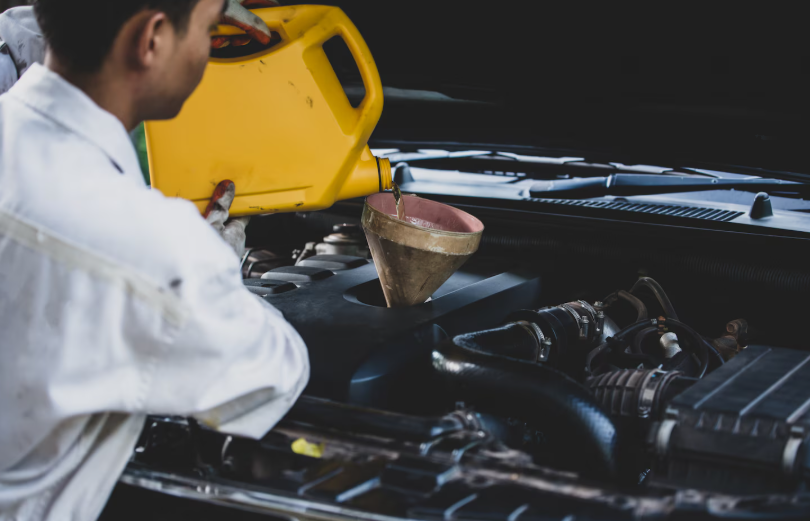
Keeping your vehicle in excellent condition starts with one of the most important maintenance services—regular oil changes. If you have been wondering how often you should schedule an oil change plano, the answer depends on several factors, including your driving habits, vehicle type, and the oil recommended by your manufacturer. While many drivers still follow the old 3,000-mile rule, modern engines and synthetic oils have changed maintenance schedules significantly. Understanding the right interval can help improve engine performance, extend the life of your vehicle, and prevent expensive repairs.
Why Engine Oil Is So Important
Engine oil performs several critical functions that keep your vehicle running efficiently. It lubricates moving engine components, reduces friction, minimizes wear, regulates engine temperature, and helps remove contaminants that develop during normal operation.
As oil ages, it gradually loses its protective properties. Dirt, debris, moisture, and combustion byproducts begin to accumulate, making the oil thicker and less effective. When this happens, your engine must work harder, which can lead to increased wear and lower fuel efficiency.
Routine oil changes keep fresh, clean oil circulating through the engine, ensuring every component receives the protection it needs.
How Often Should You Change Your Oil?
There isn’t a single maintenance schedule that fits every vehicle. Modern vehicles typically require an oil change every 5,000 to 10,000 miles when using synthetic oil. Vehicles running conventional oil may need service every 3,000 to 5,000 miles.
The best schedule depends on several factors:
- Manufacturer recommendations
- Type of engine oil
- Vehicle age
- Driving conditions
- Mileage
- Climate
Always consult your owner’s manual first, as manufacturers design maintenance intervals specifically for your vehicle.
Your Driving Habits Matter More Than You Think
Even if your vehicle is capable of extended oil change intervals, certain driving habits can shorten the lifespan of engine oil.
Frequent Short Trips
Short drives don’t allow the engine to reach its ideal operating temperature. Moisture and contaminants remain inside the engine longer, causing oil to break down more quickly.
Stop-and-Go Traffic
Heavy traffic is common in growing cities like Plano. Sitting in traffic with constant acceleration and braking puts additional stress on your engine, making regular oil changes even more important.
High Temperatures
Texas summers can be extremely hot. Heat accelerates oil degradation, reducing its ability to protect engine components over time.
Towing or Carrying Heavy Loads
Vehicles used for towing trailers or transporting heavy equipment place extra demands on the engine, often requiring more frequent maintenance.
Signs Your Vehicle Needs an Oil Change
Sometimes your vehicle provides clear warning signs that it’s time for fresh oil.
Oil Change Reminder Light
Many modern vehicles monitor oil life electronically. If the maintenance light comes on, don’t ignore it.
Engine Noise
Fresh oil creates a protective layer between moving engine parts. Old or low oil allows increased friction, leading to louder engine operation.
Dirty Oil
Clean engine oil has a smooth amber appearance. Dark, gritty oil indicates contamination and should be replaced.
Burning Oil Smell
A strong oil odor inside the cabin may indicate overheating oil or even a leak. This should be inspected promptly.
Lower Fuel Economy
An engine working with degraded oil experiences more internal resistance, often reducing fuel efficiency.
Conventional Oil vs. Synthetic Oil
Choosing the right oil is just as important as changing it regularly.
Conventional Oil
Conventional oil is generally less expensive and works well for older vehicles with simpler engine designs. However, it breaks down faster and requires more frequent replacement.
Synthetic Oil
Synthetic oil is engineered to withstand extreme temperatures and provide superior protection. It resists breakdown longer, improves cold-weather starts, and offers better lubrication under demanding driving conditions.
Although synthetic oil costs more initially, its longer service life often makes it a better long-term value.
Can You Wait Until the Oil Looks Dirty?
Many drivers still rely on checking the oil color to determine whether a change is necessary. Unfortunately, oil color alone isn’t a reliable indicator.
Oil naturally darkens as it performs its cleaning function. Even clean-looking oil may have lost its protective additives, while dark oil may still be functioning properly.
Mileage, time, and manufacturer recommendations remain the most reliable indicators.
What Happens If You Skip Oil Changes?
Delaying oil changes can create a series of expensive problems.
Increased Engine Wear
Without proper lubrication, metal components create excessive friction, causing premature wear.
Sludge Formation
Old oil can thicken into sludge, restricting oil flow and reducing engine efficiency.
Overheating
Fresh oil helps remove heat from internal engine components. Dirty oil loses this cooling ability, increasing the risk of overheating.
Poor Engine Performance
Drivers often notice sluggish acceleration, rough engine operation, and reduced responsiveness when oil maintenance is neglected.
Costly Repairs
Replacing an engine is far more expensive than routine maintenance. Regular oil changes are one of the simplest ways to protect your investment.
Don’t Forget the Oil Filter
Every oil change should include a new oil filter.
The filter captures dirt, metal particles, and contaminants before they circulate through the engine. Installing fresh oil while leaving an old filter in place limits the effectiveness of the service.
Replacing both together ensures the engine receives clean, properly filtered oil.
Seasonal Maintenance Tips for Plano Drivers
Plano experiences changing weather throughout the year, making seasonal maintenance especially important.
Summer
High temperatures place additional stress on engine oil. Check oil levels regularly and consider synthetic oil for improved heat resistance.
Winter
Although winters are generally mild, cold mornings still affect engine lubrication. Fresh oil allows easier starts and faster circulation during cooler temperatures.
Before Long Road Trips
Planning a vacation or business trip? Check your oil level and maintenance schedule before leaving. Long highway drives are easier on fresh oil than old, contaminated oil.
Benefits of Staying on Schedule
Keeping up with regular oil changes offers numerous long-term advantages.
- Longer engine life
- Improved fuel efficiency
- Better engine performance
- Reduced emissions
- Lower maintenance costs
- Greater vehicle reliability
- Higher resale value
Routine maintenance also provides technicians with an opportunity to inspect belts, hoses, fluid levels, filters, and other components that contribute to overall vehicle health.
Choosing a Trusted Oil Change Service
Finding a reliable automotive service provider ensures your vehicle receives quality care every visit.
Look for a shop that:
- Uses manufacturer-approved oils
- Installs quality oil filters
- Employs experienced technicians
- Performs vehicle inspections during service
- Provides honest recommendations without unnecessary upselling
- Maintains transparent pricing
A professional service center will also help track maintenance intervals, making it easier to stay on schedule throughout the life of your vehicle.
Final Thoughts
Scheduling regular oil changes is one of the easiest and most affordable ways to protect your vehicle’s engine. Instead of relying on outdated mileage rules, follow your manufacturer’s recommendations while considering your personal driving habits and local climate. Consistent maintenance helps your vehicle perform better, reduces the risk of costly repairs, and provides peace of mind every time you get behind the wheel. Whether your vehicle requires conventional or synthetic oil, staying proactive with maintenance ensures years of dependable performance. If you’re already planning other maintenance services, combining them with a brakes oil change appointment can save time while keeping your vehicle in top condition.
Frequently Asked Questions
1. How many miles can I drive before changing my oil?
Most modern vehicles can go between 5,000 and 10,000 miles with synthetic oil, while conventional oil typically requires replacement every 3,000 to 5,000 miles. Always follow your owner’s manual.
2. How often should I change my oil if I don’t drive much?
Even if you drive infrequently, oil should generally be changed every six to twelve months because it can deteriorate over time.
3. Is synthetic oil worth the extra cost?
Yes. Synthetic oil provides better protection, lasts longer, performs better in extreme temperatures, and often improves engine efficiency.
4. What happens if I miss an oil change?
Skipping oil changes can lead to sludge buildup, increased engine wear, overheating, poor performance, and expensive engine repairs.
5. Can I switch from conventional oil to synthetic oil?
In most cases, yes. Many vehicles can safely switch to synthetic oil, but it’s always best to confirm compatibility in your owner’s manual or consult a qualified technician.
6. Does changing the oil filter really matter?
Absolutely. A new oil filter removes contaminants from the fresh oil, helping maintain proper engine lubrication and extending engine life.