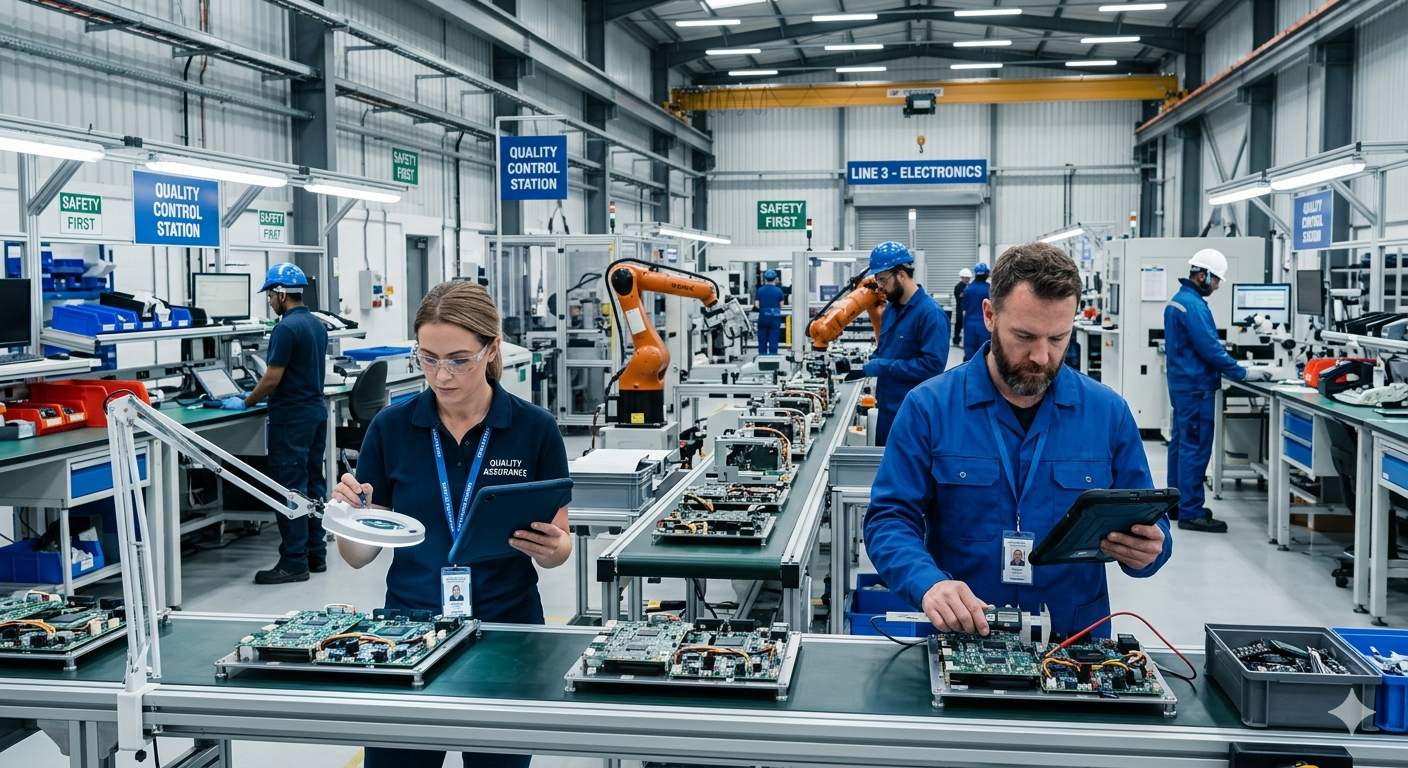
In today’s highly competitive market, customers expect products to work perfectly from the moment they receive them. A single defective item can lead to negative reviews, refund requests, and long-term damage to a company’s reputation. This is why successful businesses invest heavily in systems and processes that prevent faulty products from reaching consumers.
At the heart of these efforts lies Product Quality Control, a crucial process that helps companies maintain high standards and ensure customer satisfaction. Businesses that prioritize quality are not just protecting their products—they are protecting their brand, profits, and future growth.
The Growing Cost of Defective Products
Every year, businesses lose billions of dollars due to product defects. Manufacturing errors, poor materials, and inadequate inspections can create serious problems that affect both companies and consumers. A defective product doesn’t simply result in one unhappy customer. It can lead to:
- Increased return rates
- Product recalls
- Negative online reviews
- Loss of customer trust
- Legal and compliance issues
- Higher operational costs
In today’s digital world, a single complaint can spread quickly across social media and review platforms. Customers have more choices than ever before, and many won’t hesitate to switch to a competitor after a bad experience.
This is why smart businesses focus on preventing problems rather than fixing them after products reach the market.
Quality Starts Before Production Begins
Many people assume that quality inspections happen only after a product is manufactured. In reality, successful companies begin their quality efforts much earlier.
They carefully evaluate suppliers, inspect raw materials, and establish clear manufacturing standards before production starts. By identifying risks early, businesses can avoid expensive mistakes later in the process.
Companies that implement strong Product Quality Control procedures often experience:
- Fewer production delays
- Lower defect rates
- Better customer satisfaction
- Reduced warranty claims
- Improved operational efficiency
The goal is simple: build quality into the product from the very beginning.
Why Inspections Matter
Inspections play a critical role in keeping defective products out of customers’ hands. They help manufacturers identify issues that may otherwise go unnoticed.
Common inspection stages include:
Pre-Production Inspections
These inspections verify that raw materials and components meet required specifications before manufacturing begins.
During Production Inspections
Inspectors examine products while they are being manufactured, allowing problems to be corrected before large quantities are produced.
Final Inspections
Finished products are thoroughly checked before shipment to ensure they meet quality standards.
Without these inspection processes, defective products can easily move through the supply chain and reach consumers.
The Hidden Impact of Poor Quality
Some businesses underestimate the true cost of poor quality. They focus only on the immediate expense of replacing defective products while ignoring the long-term consequences.
Poor quality can result in:
Damage to Brand Reputation
Customers remember bad experiences. Once trust is lost, rebuilding it can take years.
Loss of Business Opportunities
Distributors and retailers may hesitate to work with companies that have a history of quality problems.
Increased Operating Costs
Returns, repairs, and customer service issues consume valuable resources and reduce profitability.
Competitive Disadvantages
Companies known for poor quality often struggle to compete against brands with strong reputations.
Investing in Product Quality Control may seem expensive at first, but the cost of ignoring quality is usually far greater.
Technology Is Changing Quality Management
Modern businesses are using advanced technologies to improve product quality and reduce defects.
Some of these innovations include:
- Automated inspection systems
- Artificial intelligence for defect detection
- Real-time production monitoring
- Data analytics for quality improvement
- Digital reporting systems
These technologies allow businesses to identify patterns and solve problems more quickly than traditional methods.
However, technology alone is not enough. Human expertise remains essential for evaluating processes, understanding risks, and making informed decisions.
Building a Culture of Quality
The most successful companies understand that quality is everyone’s responsibility.
Creating a strong quality culture means:
- Training employees regularly
- Establishing clear standards
- Encouraging accountability
- Continuously improving processes
- Listening to customer feedback
When quality becomes part of a company’s culture, employees take pride in their work and become more committed to producing excellent products.
This mindset significantly reduces the chances of defective products reaching the market.
Why Customers Value Quality More Than Ever
Consumer expectations continue to rise. Today’s buyers research products, read reviews, and compare brands before making purchasing decisions.
They expect:
- Reliable performance
- Safe products
- Consistent quality
- Honest communication
- Fast solutions when problems occur
Businesses that consistently deliver high-quality products often enjoy stronger customer loyalty and higher levels of repeat business.
Strong Product Quality Control systems help companies meet these expectations and build long-term relationships with customers.
Lessons From Major Product Recalls
History provides many examples of companies that suffered significant losses due to quality failures.
Large product recalls have affected industries including:
- Automotive manufacturing
- Electronics
- Medical devices
- Consumer goods
- Food and beverages
In many cases, the financial costs were enormous, but the reputational damage was even greater.
These incidents serve as powerful reminders that quality should never be treated as an afterthought.
Preventing defects before products reach consumers is always more effective than trying to repair the damage afterward.
The Competitive Advantage of Quality
Businesses that invest in quality often gain significant advantages over their competitors.
Benefits include:
- Higher customer satisfaction
- Better online reviews
- Increased market share
- Stronger brand reputation
- Greater profitability
- Improved customer retention
Companies known for delivering reliable products often become industry leaders because customers trust their brands.
Quality is no longer just a manufacturing requirement—it has become a major competitive advantage.
Final Thoughts
Keeping defective products out of customers’ hands requires planning, discipline, and continuous improvement. Smart businesses understand that quality cannot be left to chance. It must be built into every stage of the manufacturing process, from supplier selection to final shipment.
Investing in Product Quality Control is one of the most effective ways to protect a company’s reputation, reduce costs, and create lasting customer relationships. In an increasingly competitive marketplace, businesses that prioritize quality are better positioned for long-term success.
The companies that consistently deliver reliable, high-quality products are the ones that earn customer trust and stand out from the competition. Simply put, preventing defects isn’t just about avoiding problems—it’s about building a stronger and more successful business for the future.