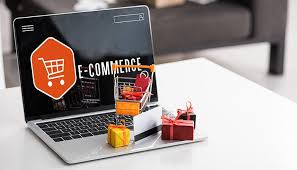
Quick answer: To start an e-commerce business in the UAE, you must select your specific business activities, choose between a Free Zone or Mainland jurisdiction, register a trade name, apply for an e-commerce trade license, open a corporate bank account, and integrate a secure digital payment gateway.
The United Arab Emirates has rapidly transformed into a global hub for digital trade. With a highly connected population and excellent logistics infrastructure, the local market offers massive potential for new online retailers. Shopping online is now a daily habit for residents, creating a highly profitable environment for entrepreneurs ready to launch their own digital storefronts.
Building an online business from scratch might seem overwhelming at first glance. However, local authorities have streamlined the legal and administrative procedures to encourage foreign investment and digital innovation. By following a clear roadmap, you can establish a fully compliant and operational online store in a matter of weeks.
This guide details exactly what you need to do to launch your enterprise. You will learn the legal requirements, the differences in business jurisdictions, and the best practices for setting up your website infrastructure.
How do you choose the right jurisdiction for your UAE e-commerce business?
The first major decision you will make is selecting the legal jurisdiction for your company. The company registration process in UAE generally offers two primary pathways for digital retailers: Mainland and Free Zone. Your choice dictates your legal trading boundaries, ownership structure, and tax obligations.
A Mainland company is registered with the Department of Economic Development (DED) in the respective emirate. This jurisdiction allows you to trade directly with the local UAE market and take on government contracts without any restrictions.
A Free Zone company is registered within specific geographical areas that offer special tax and ownership benefits. Popular options include the Dubai Multi Commodities Centre (DMCC) and the Sharjah Media City (Shams).
Choose a Mainland setup if your primary goal is to sell physical goods directly to local consumers across all emirates without relying on a local distributor. Choose a Free Zone setup if 100% foreign ownership, full repatriation of capital, and lower initial setup costs matter more to your early-stage business plan.
What are the steps to get an e-commerce license in the UAE?
Operating an online store legally requires a specific trade license. Without this document, you cannot open a corporate bank account or integrate secure payment gateways. If you opted for a Free Zone jurisdiction, securing a freezone license in Dubai is a straightforward process designed specifically for digital entrepreneurs.
Follow these specific steps to obtain your e-commerce trade license:
- Define your business activities: You must explicitly state what you intend to sell. The UAE categorizes business activities strictly, and your license must reflect your actual operations (e.g., selling electronics, apparel, or digital services).
- Register your trade name: Submit three proposed company names to the relevant authority. The name must adhere to strict naming conventions, avoiding offensive language or references to religious organizations.
- Submit the required documents: Provide completed application forms, passport copies of all shareholders, and passport-size photographs.
- Receive the license and apply for visas: Once approved, you will receive your trade license. You can then apply for your UAE residency visa and sponsor dependents or employees.
Which e-commerce platform and payment gateway should you choose?
Your website is your digital storefront, and it needs to be reliable, secure, and easy to navigate. Selecting the right e-commerce platform determines how easily you can manage inventory, process orders, and scale your business. Shopify, WooCommerce, and Magento are widely used platforms that offer robust support for UAE-based businesses.
Once your platform is set up, you must integrate a secure method to collect money. Setting up reliable payment gateways UAE shoppers trust is critical for conversion rates. Providers like PayTabs, Telr, and Stripe process transactions securely and accept local currencies.
Choose Shopify if you want a fully hosted, beginner-friendly solution that handles security and maintenance automatically. Choose WooCommerce if you prefer a highly customizable, open-source platform and already use WordPress.
What are the best tips for scaling your UAE online store?
Launching your website is only the beginning. To capture market share and drive consistent sales, you must implement strategic growth tactics tailored to the local audience.
- Invest heavily in digital marketing: The UAE population is highly active on social media. Running targeted advertisements on Instagram, TikTok, and Snapchat is one of the most effective ways to drive traffic to your store. Pair this with strong local Search Engine Optimization (SEO) to capture buyers searching for products on Google.
- Optimize for mobile shopping: A significant portion of UAE consumers shop using their smartphones. Your e-commerce platform must load quickly on mobile devices, feature large buttons, and offer a seamless mobile checkout experience.
- Offer flexible delivery options: Fast shipping is a competitive advantage. Partner with reliable local courier services that offer next-day or same-day delivery within major cities like Dubai and Abu Dhabi.
Next steps: Bringing your UAE e-commerce store to life
Starting an online business setup in the United Arab Emirates requires careful planning, but the rewards are substantial. The digital economy is supported by forward-thinking government initiatives and a consumer base eager for new online shopping experiences.
Take the first step today by writing down a clear business plan and selecting the specific products you want to sell. From there, reach out to a local business setup consultant or contact a Free Zone authority directly to begin your company registration. With the right foundation, your e-commerce brand can thrive in this dynamic market.
Frequently Asked Questions (FAQ) about UAE e-commerce setup
How much does it cost to start an e-commerce business in the UAE?
The cost varies based on your chosen jurisdiction and visa requirements. A basic Free Zone e-commerce license typically starts around AED 12,000 to AED 15,000. Mainland setups usually cost more due to DED registration fees and local sponsor requirements. You should also budget for website development, payment gateway setup fees, and initial marketing.
How long does it take to get an e-commerce license?
If all your documents are correct and your trade name is approved, a Free Zone license can be issued in as little as 3 to 5 business days. Mainland licenses may take slightly longer, typically 1 to 2 weeks, depending on the required external approvals for your specific business activities.
Can a foreigner own 100% of an e-commerce business in the UAE?
Yes. Foreign entrepreneurs can retain 100% ownership of their e-commerce business if they set it up in a Free Zone. Recent legislative changes also allow 100% foreign ownership for many commercial activities in the Mainland, though specific conditions apply based on the exact nature of the business.
Do I need a physical office space for an online business?
A physical office is not strictly required for a Free Zone e-commerce license. Many Free Zones offer “flexi-desk” or virtual office packages, which provide a registered address and limited access to workspace facilities, fulfilling the legal requirements for company registration.