Veterinary surgical care continues to improve with faster and safer methods of instrument preparation. One important aspect of this improvement is rapid sterilization systems designed for animal healthcare settings. These systems allow veterinary teams to prepare surgical tools in a short time while maintaining high safety standards. Instruments such as scopes, vessel sealing devices, headlamps, and other surgical tools require reliable sterilization before every procedure.
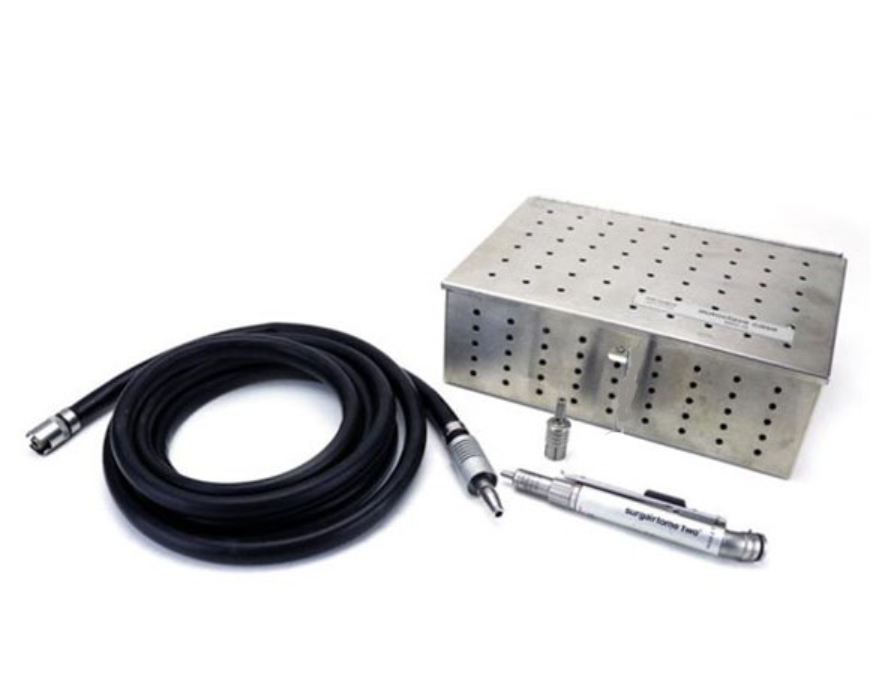
Among the instruments used in modern veterinary procedures, Surgairtome plays a role in precision-based surgical work, especially where controlled cutting and accuracy are required in animal surgeries.
Overview of Veterinary Sterilization Systems
Modern veterinary clinics often rely on advanced sterilization kits designed to reduce turnaround time between procedures. These systems are built to support different surgical workloads, from single instruments to complete surgical sets.
There are typically three categories of sterilization kits used in animal healthcare:
1. Single-Item Sterilization Pack
- Designed for one surgical instrument
- Completes sterilization in approximately 7 minutes
- Useful for urgent or quick-turnover procedures
- Ideal for instruments like a single Surgairtome or similar tool
This option helps veterinary professionals prepare essential equipment quickly without waiting for long sterilization cycles.
2. Medium Sterilization Pouch System
- Suitable for multiple surgical instruments
- The average sterilization time is around 14 minutes
- Commonly used for grouped tools such as scopes and accessories
- Supports routine veterinary procedures in clinics
This system ensures that several instruments are ready together, improving workflow efficiency in busy veterinary environments.
3. Full Surgical Load Sterilization System
- Designed for complete surgical instrument sets
- The sterilization cycle completes in about 36 minutes
- Can include vessel sealers, endoscopic scopes, and headlamps
- Used for full surgical preparation in veterinary hospitals
This larger system supports complex animal surgeries where multiple instruments must be prepared at once.
Importance of Rapid Sterilization in Veterinary Clinics
Fast sterilization processes play a key role in improving veterinary healthcare services. The benefits include:
- Reduced waiting time between surgeries
- Improved workflow efficiency in clinics
- Safe reuse of surgical instruments
- Better infection control for animal patients
- Increased surgical capacity in a single day
Veterinary teams benefit from being able to prepare instruments quickly, especially in emergency cases where time is critical.
Conclusion
Efficient sterilization systems have transformed veterinary surgical practices by reducing preparation time and improving safety standards. From single instruments to complete surgical sets, these systems support a wide range of animal healthcare needs.
The role of precision instruments such as Surgairtome highlights the importance of maintaining strict sterilization protocols in veterinary environments. With rapid processing options available, veterinary teams can ensure that surgical tools are always ready for safe and effective use in animal care procedures.