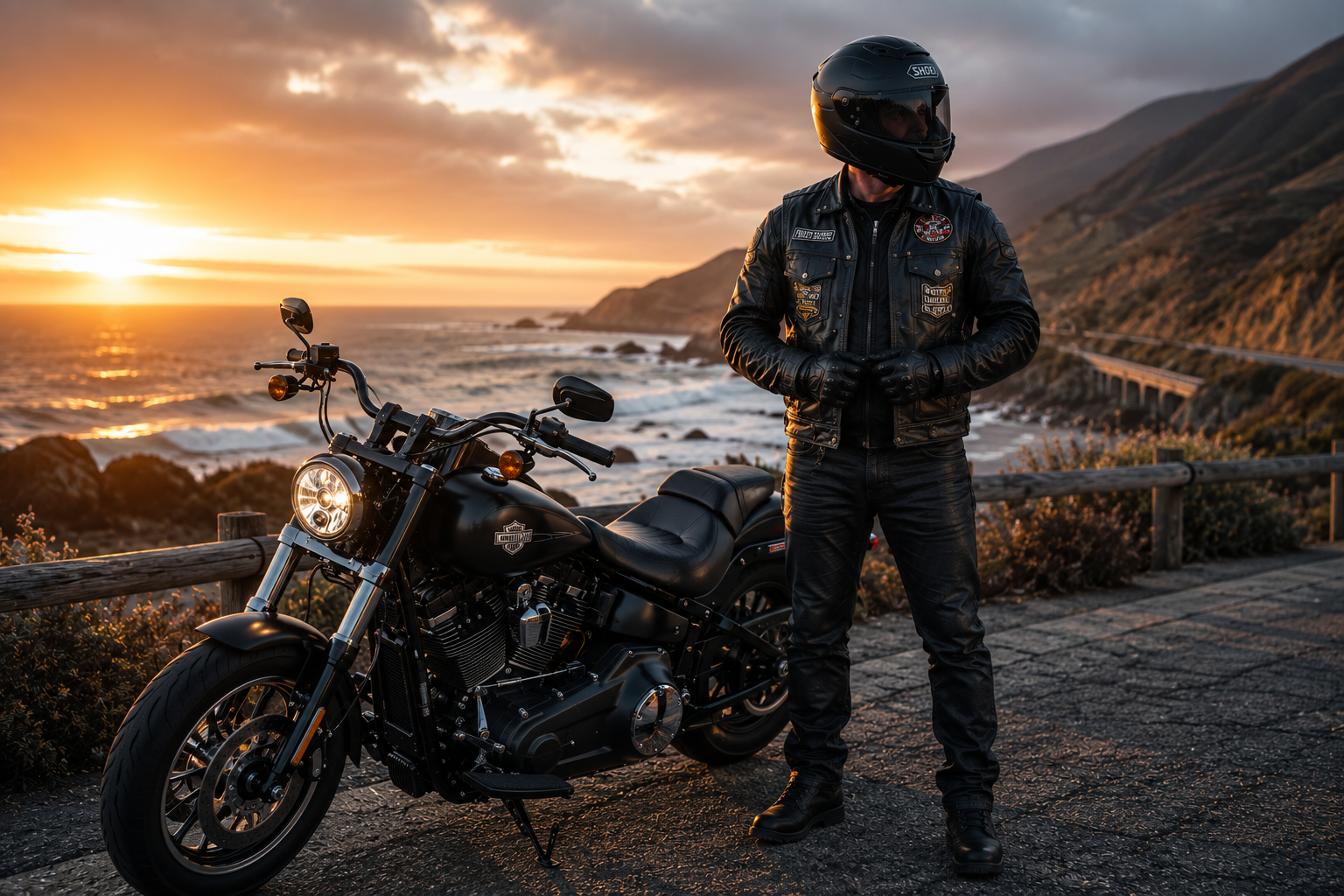
Weather conditions play a critical role in motorcycle performance, rider safety, and overall handling characteristics. Unlike enclosed vehicles, motorcycles are directly exposed to environmental elements, making them significantly more sensitive to changes in road surface conditions, temperature fluctuations, wind forces, precipitation, and visibility limitations. Understanding how weather affects motorcycle handling is essential for reducing risk, improving control, and enhancing riding confidence.
Motorcycle handling refers to how a motorcycle responds to rider inputs such as steering, braking, acceleration, and cornering. Weather-related variables can alter tire grip, suspension performance, braking efficiency, rider comfort, and reaction times. Professional riders, safety instructors, and motorcycle engineers consistently emphasize the importance of adapting riding techniques and protective equipment to match environmental conditions.
Protective gear such as Men’s Motorcycle Riding Jackets, Leather Riding Vests for Men, gloves, boots, and properly certified helmets are equally important because they help riders maintain comfort, focus, and protection in changing weather environments. This article explores the science behind motorcycle handling in various weather conditions, examines common challenges, and provides expert-backed strategies for maintaining control and safety.
Understanding Motorcycle Handling Fundamentals
Before examining weather-related influences, it is important to understand the key factors that determine motorcycle handling.
Motorcycle handling depends on:
- Tire traction and contact patch performance
- Weight distribution
- Suspension dynamics
- Steering geometry
- Braking effectiveness
- Rider positioning and input
The contact patch—the small area where the tire touches the road—is especially important. Any weather condition that affects this contact area can significantly alter motorcycle stability and control.
Environmental conditions influence the friction coefficient between tires and road surfaces. Reduced friction translates directly into reduced braking performance, decreased cornering capability, and increased stopping distances.
The Impact of Rain on Motorcycle Handling
Reduced Tire Traction
Rain is one of the most common weather-related challenges faced by riders. Water creates a barrier between tires and pavement, reducing available grip.
When roads become wet, tire tread patterns must channel water away from the contact patch. Excessive water accumulation can lead to hydroplaning, a condition where tires ride on a layer of water rather than maintaining direct contact with the road surface.
The consequences include:
- Longer stopping distances
- Reduced cornering stability
- Increased likelihood of wheel slip
- Delayed steering response
Increased Braking Distance
Research conducted by transportation safety organizations consistently demonstrates that wet surfaces significantly increase stopping distances. Riders must apply brakes progressively and avoid abrupt braking inputs.
Modern motorcycles equipped with Anti-lock Braking Systems (ABS) provide additional safety benefits by reducing wheel lockup during emergency braking situations.
Visibility Challenges
Rain affects visibility in several ways:
- Water accumulation on visors
- Fogging inside helmets
- Reduced visibility of road markings
- Limited ability to see hazards
Riders often rely on high-quality protective equipment, including DOT Certified Motorcycle Helmets, to improve visibility, impact protection, and comfort during adverse weather conditions.
How Wind Influences Motorcycle Stability
Crosswind Effects
Strong crosswinds can dramatically affect motorcycle stability. Because motorcycles present a relatively narrow but tall profile, wind can exert lateral forces that push the motorcycle off its intended path.
Crosswinds become particularly dangerous:
- On bridges
- Near open highways
- When passing large trucks
- In mountainous regions
Experienced riders often counter crosswinds by applying controlled steering inputs and adjusting body positioning.
Gusting Wind Conditions
Sudden gusts create unpredictable forces that can disrupt balance and steering precision. Unlike steady winds, gusts require rapid rider adaptation and increased concentration.
Motorcycles with larger fairings, luggage systems, or windshields may experience greater wind influence due to increased surface area.
The Effects of Extreme Heat on Motorcycle Performance
Tire Pressure Variations
Hot weather causes air inside tires to expand. Elevated tire pressure can alter handling characteristics by changing the shape of the tire contact patch.
Manufacturers recommend checking tire pressure before riding rather than after exposure to high temperatures.
Reduced Rider Performance
Heat stress affects concentration, reaction time, and decision-making abilities.
Symptoms may include:
- Fatigue
- Dehydration
- Reduced alertness
- Slower reactions
Motorcycle safety experts consistently emphasize hydration and ventilation during hot-weather riding.
Asphalt Surface Changes
During periods of extreme heat, asphalt surfaces may soften slightly, reducing traction and creating unstable riding conditions, particularly during aggressive cornering.
Cold Weather and Motorcycle Handling
Reduced Tire Grip
Motorcycle tires are engineered to operate within specific temperature ranges. Cold temperatures prevent tires from reaching optimal operating temperatures, reducing traction.
This phenomenon is especially noticeable during:
- Early morning rides
- Winter riding
- High-altitude travel
Increased Mechanical Resistance
Cold temperatures affect:
- Engine oil viscosity
- Battery performance
- Suspension responsiveness
As a result, motorcycles may respond differently than expected during initial operation.
Rider Mobility Limitations
Bulky cold-weather gear can restrict rider movement and reduce control precision. Proper layering systems help maintain warmth while preserving mobility.
Many riders combine insulated riding apparel with Men’s Motorcycle Riding Jackets and weather-resistant outer layers to maintain comfort and control.
Snow and Ice: The Most Dangerous Conditions
Near-Zero Traction
Snow and ice dramatically reduce available tire grip.
Even small patches of black ice can create sudden traction loss with little warning. Unlike automobiles, motorcycles have only two contact patches, making recovery from slips significantly more difficult.
Steering and Braking Challenges
Snow-covered roads reduce steering precision and increase stopping distances substantially. Most motorcycle safety organizations advise avoiding riding during icy conditions whenever possible.
If riding cannot be avoided, speeds should be significantly reduced and all control inputs should remain smooth and gradual.
Fog and Reduced Visibility Conditions
Hazard Recognition Delays
Fog limits a rider’s ability to identify hazards, traffic signals, road curves, and other vehicles.
Reduced visibility creates:
- Shorter reaction windows
- Increased collision risk
- Greater rider fatigue
Lighting Strategies
Proper lighting becomes essential during foggy conditions. Low beams often perform better than high beams because they reduce light reflection from water droplets suspended in the air. Reflective elements on riding gear and motorcycles further improve visibility to other road users.
How Weather Affects Rider Equipment Performance
Helmet Functionality
Helmets provide protection, but weather conditions influence comfort and usability.
Important considerations include:
- Ventilation efficiency
- Anti-fog visor systems
- Moisture management
- Wind noise reduction
Protective Apparel
Protective clothing contributes significantly to rider performance.
Leather Riding Vests for Men provide abrasion resistance and core protection while allowing flexibility and airflow during moderate weather conditions.
Similarly, properly fitted Men’s Motorcycle Riding Jackets help regulate body temperature, improve comfort, and reduce weather-related fatigue.
Gloves and Boots
Hands and feet provide critical control inputs. Weather-resistant gloves and boots help maintain grip, dexterity, and braking precision during adverse conditions.
Expert Insights and Best Practices
Apply the SIPDE Framework
Many motorcycle safety instructors recommend the SIPDE process:
Scan
Continuously observe road conditions and weather changes.
Identify
Recognize potential hazards such as standing water, ice, debris, or strong winds.
Predict
Anticipate how hazards may affect motorcycle handling.
Decide
Determine the safest response.
Execute
Apply smooth, deliberate control inputs.
This structured approach enhances situational awareness and decision-making.
Maintain Proper Tire Condition
Tires represent the primary connection between motorcycle and road surface. Regular inspection should include:
- Tread depth verification
- Pressure monitoring
- Sidewall condition assessment
- Age evaluation
Adjust Riding Style
Weather adaptation requires modifying:
- Speed
- Following distance
- Cornering angle
- Braking technique
- Acceleration inputs
Professional rider training programs consistently emphasize smoothness as a key safety principle.
Common Mistakes and Misconceptions
Believing Modern Technology Eliminates Risk
ABS, traction control, and rider aids improve safety but cannot overcome the laws of physics. Reduced traction remains reduced traction.
Maintaining Dry-Weather Riding Habits
Many accidents occur because riders fail to adjust speed and control inputs during adverse weather conditions.
Ignoring Tire Temperature
Cold tires provide less grip than properly warmed tires. Immediate aggressive riding after startup can increase accident risk.
Underestimating Wind Effects
Many riders focus on rain while overlooking wind-related hazards. Crosswinds can be equally dangerous, particularly at highway speeds.
Wearing Inappropriate Gear
Comfort directly affects concentration and reaction time. Improper gear selection can contribute to fatigue and reduced performance.
Conclusion
Weather conditions exert a profound influence on motorcycle handling, directly affecting traction, braking efficiency, stability, visibility, rider performance, and overall safety. Rain, wind, heat, cold temperatures, fog, snow, and ice each present unique challenges that require specific riding adjustments and preparation strategies. Effective risk management depends on understanding how environmental variables alter motorcycle dynamics and adapting riding techniques accordingly.
Professional riders and safety experts consistently emphasize proactive preparation, proper equipment selection, continuous hazard assessment, and smooth control inputs as the foundation of safe riding in changing weather conditions. By combining sound riding practices with appropriate protective gear such as quality helmets, Men’s Motorcycle Riding Jackets, and Leather Riding Vests for Men, riders can improve safety, maintain control, and make more informed decisions regardless of weather conditions.
FAQs
How does rain affect motorcycle braking performance?
Rain reduces tire traction and increases stopping distances. Riders must brake earlier, apply brake pressure progressively, and maintain larger following distances.
Why are motorcycles more affected by weather than cars?
Motorcycles have only two tire contact patches and lack the stability provided by four wheels and an enclosed structure, making them more sensitive to environmental changes.
Can strong winds cause a motorcycle accident?
Yes. Crosswinds and sudden gusts can alter motorcycle trajectory, reduce stability, and increase the likelihood of losing control if riders fail to compensate appropriately.
What temperature is considered too cold for motorcycle riding?
There is no universal threshold. However, temperatures near freezing significantly reduce tire performance and increase the possibility of ice formation.
Does hot weather improve tire grip?
Moderate warmth can improve tire performance, but excessive heat may increase tire pressure and contribute to accelerated tire wear.
What is hydroplaning on a motorcycle?
Hydroplaning occurs when water prevents direct tire contact with the road surface, causing a temporary loss of traction and steering control.
Are ABS-equipped motorcycles safer in wet weather?
ABS systems generally improve braking safety by helping prevent wheel lockup, particularly on slippery surfaces. However, they do not eliminate reduced traction.
Why is black ice especially dangerous?
Black ice is difficult to detect visually and provides extremely low friction, creating sudden and unexpected loss of control.
How can riders improve visibility in fog?
Riders can use low-beam headlights, reflective gear, anti-fog visors, and reduced speeds to improve safety in foggy conditions.
What riding gear is most important during adverse weather?
A certified helmet, protective jacket, gloves, boots, and weather-appropriate riding apparel collectively provide the highest level of protection and comfort.