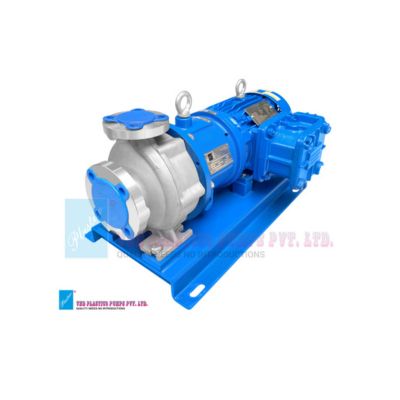
Industrial operations depend on reliable equipment to keep production running smoothly, and one of the most essential components is the Process Pump. From chemical processing to water treatment and manufacturing, these pumps are designed to transfer liquids safely, efficiently, and consistently. Choosing the right pump not only improves operational performance but also reduces maintenance costs and minimizes downtime.
Businesses across various industries rely on high-quality pumping solutions that can withstand demanding conditions. Selecting the right Process Pump ensures reliable fluid handling, improved efficiency, lower maintenance costs, and long-term operational performance across a wide range of industrial applications.
What Is a Process Pump?
A Process Pump is a specially designed industrial pump used to move liquids, chemicals, acids, solvents, and other fluids through different stages of a manufacturing or processing system. Unlike standard pumps, these pumps are engineered to deliver consistent flow rates, handle corrosive or abrasive fluids, and operate efficiently under continuous working conditions.
They are widely used in industries where precision, safety, and uninterrupted fluid transfer are essential.
Why Is a Process Pump Important?
A reliable Process Pump plays a significant role in maintaining productivity and ensuring smooth industrial operations. It supports continuous production while reducing energy consumption and maintenance requirements.
Some key advantages include:
- High operational efficiency
- Reliable and continuous fluid transfer
- Suitable for corrosive and aggressive liquids
- Low maintenance requirements
- Long service life
- Improved workplace safety
- Reduced operational downtime
Selecting the right pump helps industries maintain consistent production without compromising quality or safety.
Applications of Process Pumps
The versatility of a Process Pump makes it suitable for numerous industrial sectors. These pumps are designed to perform efficiently across a wide range of fluid handling applications.
Chemical Processing
Chemical industries require pumps capable of handling corrosive chemicals, acids, and solvents without leakage or material degradation.
Water and Wastewater Treatment
Treatment facilities depend on a Process Pump to transport water, treatment chemicals, sludge, and other fluids throughout different processing stages.
Pharmaceutical Manufacturing
Clean and contamination-free fluid transfer is essential in pharmaceutical production, making reliable pumping systems an important part of manufacturing.
Food and Beverage Industry
Many processing plants use specialized pumps for transferring food-grade liquids while maintaining hygiene and production efficiency.
Textile Industry
Textile manufacturers rely on industrial pumps to circulate dyes, chemicals, and processing liquids during fabric production.
Features to Look for in a Process Pump
Choosing the right Process Pump involves evaluating several important features that directly affect performance and durability.
Corrosion Resistance
Industries handling aggressive chemicals should select pumps made from corrosion-resistant materials to ensure longer operational life.
Energy Efficiency
Modern pumps are designed to maximize output while minimizing electricity consumption, helping businesses reduce operating costs.
Leak-Proof Design
Reliable sealing systems help prevent fluid leakage, protecting both workers and the environment.
Easy Maintenance
A well-designed Process Pump should allow quick inspection and maintenance, reducing production interruptions.
High Durability
Industrial pumps should be capable of operating continuously under challenging conditions while maintaining consistent performance.
Benefits of Choosing a Quality Process Pump
Investing in a premium Process Pump or SS Pump offers long-term operational advantages that go beyond simple fluid transfer. While a Process Pump ensures efficient handling of industrial fluids, an SS Pump provides excellent corrosion resistance and durability, making it ideal for demanding applications.
Some major benefits include:
- Increased production efficiency
- Lower maintenance expenses
- Enhanced equipment lifespan
- Better process reliability
- Improved energy savings
- Safer industrial operations
- Superior corrosion resistance with an SS Pump
- Consistent system performance
Quality equipment contributes significantly to reducing unexpected breakdowns, improving overall productivity, and ensuring reliable fluid handling across various industrial applications.
Maintenance Tips for Longer Pump Life
Proper maintenance helps maximize the lifespan and efficiency of any Process Pump.
Follow these best practices:
- Inspect seals and bearings regularly.
- Monitor vibration and noise levels.
- Clean pump components periodically.
- Lubricate moving parts according to manufacturer recommendations.
- Replace worn components before failure occurs.
- Operate the pump within its recommended performance range.
Routine maintenance reduces costly repairs and ensures uninterrupted industrial operations.
Choosing a Reliable Process Pump Manufacturer
Selecting the right manufacturer is just as important as choosing the right equipment. A trusted manufacturer should focus on delivering reliable pumping solutions designed for demanding industrial environments.
Consider manufacturers that offer:
- High-quality manufacturing standards
- Durable and corrosion-resistant pump designs
- Reliable product performance
- Industry-focused engineering solutions
- Consistent quality assurance
- Excellent customer support
Choosing an experienced manufacturer helps ensure dependable fluid handling, lower maintenance costs, and long-term operational efficiency.
Frequently Asked Questions (FAQs)
1. What is a Process Pump used for?
A Process Pump is used to transfer liquids, chemicals, acids, solvents, and industrial fluids safely and efficiently during manufacturing processes.
2. Which industries commonly use Process Pumps?
Chemical processing, pharmaceuticals, water treatment, food processing, textiles, mining, and manufacturing industries commonly use these pumps.
3. How do I choose the right Process Pump?
Consider factors such as fluid type, flow rate, pressure requirements, operating temperature, material compatibility, and maintenance needs.
4. How often should a Process Pump be maintained?
Routine inspections should be performed regularly, while preventive maintenance schedules depend on operating conditions and manufacturer recommendations.
5. Why is corrosion resistance important in Process Pumps?
Corrosion-resistant materials extend pump life, reduce maintenance costs, and ensure safe handling of aggressive industrial fluids.
Call to Action
Looking for a reliable Process Pump for your industrial application? Explore the advanced pumping solutions offered by VND Plastico Pumps Pvt. Ltd and choose a pump designed for durability, efficiency, and long-term performance.