
Limestone is one of the most valuable natural resources used across many industries. From construction and cement production to agriculture and steel manufacturing, limestone plays an important role in supporting modern development. As industries continue to grow around the world, the demand for high-quality limestone deposits remains strong.
Investing in industry-grade limestone deposits can provide long-term business opportunities and stable returns. High-quality limestone reserves are considered valuable assets because they serve multiple industries and maintain consistent demand. Whether for infrastructure projects, industrial production, or commercial development, limestone continues to be a key raw material.
This article explains the importance of limestone deposits, their industrial applications, investment benefits, and factors to consider before making an investment.
Understanding the Value of Limestone Deposits
Lime Stone Deposits is a sedimentary rock mainly composed of calcium carbonate. It is found in large quantities across many regions and is widely used in industrial processes.
The quality of limestone deposits depends on factors such as purity, mineral content, accessibility, and reserve size. Industry-grade limestone deposits are especially valuable because they can be processed for high-demand applications.
As governments invest in infrastructure and industries expand production capacities, the need for reliable limestone sources continues to increase.
Why Limestone Is an Important Industrial Resource
Limestone supports several major industries, including:
- Cement manufacturing
- Construction materials
- Steel production
- Chemical processing
- Agriculture
- Water treatment
- Glass manufacturing
Because of its broad range of uses, limestone remains one of the most sought-after minerals in industrial markets.
Growing Demand Across Industries
Rapid urban development and industrial growth have increased the need for quality raw materials. Roads, bridges, buildings, factories, and commercial projects all require materials derived from limestone.
As new infrastructure projects continue worldwide, the demand for premium limestone deposits is expected to remain strong for years to come.
Major Uses of Industry-Grade Limestone
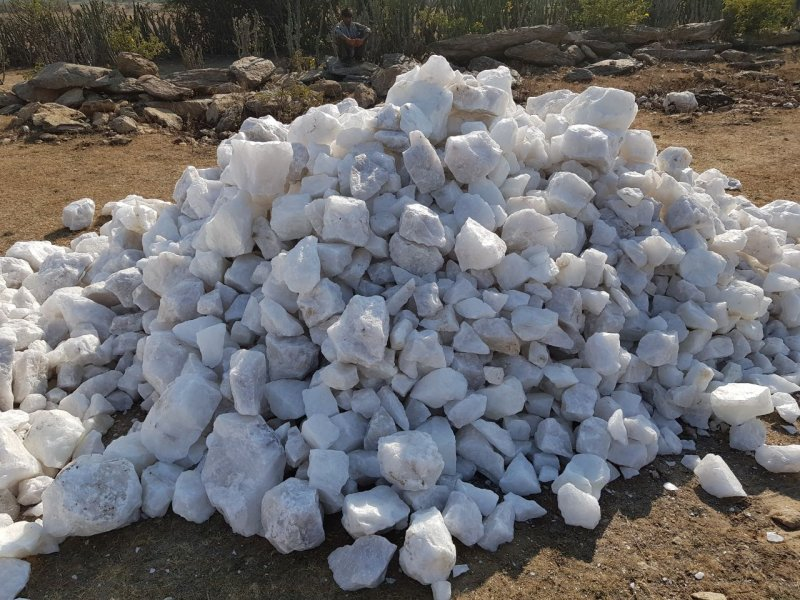
Understanding where limestone is used helps investors recognize its long-term value.
Cement Manufacturing
The cement industry is one of the largest consumers of limestone. Limestone serves as the primary ingredient in cement production.
With ongoing construction projects across residential, commercial, and industrial sectors, cement demand continues to rise, driving the need for quality limestone reserves.
Construction Industry
Limestone is widely used in construction projects for:
- Building foundations
- Road construction
- Concrete production
- Decorative stone work
- Infrastructure development
Its durability and versatility make it a preferred material for builders and contractors.
Steel Manufacturing
Steel production requires limestone as a flux material. It helps remove impurities during the steel-making process and improves overall efficiency.
As industrial growth increases steel demand, limestone remains a critical component in manufacturing operations.
Agriculture Applications
Farmers use limestone to improve soil quality and balance soil acidity. Agricultural limestone helps create better growing conditions for crops and increases productivity.
This agricultural demand adds another stable market for limestone suppliers.
Water Treatment Facilities
Water treatment plants use limestone to adjust water pH levels and remove impurities. Municipal and industrial treatment systems often depend on limestone-based solutions for efficient operation.
Benefits of Investing in Limestone Deposits
Limestone deposits offer several advantages for investors looking at natural resource opportunities.
Long-Term Demand Stability
Unlike some commodities that experience sudden market fluctuations, limestone benefits from steady demand due to its essential industrial applications.
Industries such as construction, cement, and steel require limestone continuously, creating a reliable market.
Multiple Revenue Opportunities
Limestone deposits can serve different sectors at the same time.
A single deposit may supply:
- Cement plants
- Construction companies
- Agricultural businesses
- Industrial manufacturers
- Chemical processing facilities
This diversification helps reduce dependence on a single customer group.
Strong Infrastructure Growth Support
Developing economies continue to invest heavily in roads, airports, housing, and industrial zones. These projects require massive quantities of construction materials derived from limestone.
As infrastructure spending grows, demand for quality deposits often increases.
Valuable Natural Resource Asset
Mineral reserves are considered long-term assets. High-quality limestone deposits with substantial reserves can maintain value over many years.
Investors often view mineral-rich properties as strategic resources with future growth potential.
Key Features of Top Industry-Grade Limestone Deposits
Not all limestone deposits offer the same value. Understanding important characteristics helps identify premium opportunities.
High Calcium Carbonate Content
High-purity limestone contains greater percentages of calcium carbonate, making it suitable for industrial and manufacturing applications.
Premium-grade deposits generally command higher market value because of their wider industrial use.
Large Reserve Quantities
A deposit with significant reserves offers longer operational life and greater production capacity.
Large reserves can support industrial customers for decades, increasing investment attractiveness.
Easy Accessibility
Location plays a major role in mining operations.
Deposits located near transportation networks, industrial zones, ports, or major highways often provide lower transportation costs and improved profitability.
Consistent Material Quality
Industrial customers prefer limestone with consistent composition and predictable performance.
Reliable quality helps build long-term customer relationships and supports steady business operations.
Important Factors to Consider Before Investing
Proper evaluation is essential before investing in limestone deposits.
Geological Assessment
Professional geological studies help determine:
- Reserve size
- Mineral quality
- Extraction feasibility
- Production potential
Accurate geological data reduces investment risks and supports informed decision-making.
Mining and Extraction Costs
Understanding operational expenses is important.
These may include:
- Equipment costs
- Labor expenses
- Transportation costs
- Processing expenses
- Environmental compliance costs
A clear financial analysis helps estimate future profitability.
Market Demand Analysis
Investors should study regional and global demand trends.
Key industries to monitor include:
- Construction
- Cement production
- Steel manufacturing
- Agriculture
- Infrastructure development
Strong demand indicators often support long-term investment success.
Legal and Regulatory Requirements
Mining operations must comply with local regulations and environmental standards.
Before investing, it is important to review:
Licensing Requirements
Proper permits and approvals are necessary for legal operations.
Environmental Compliance
Responsible mining practices help protect natural resources and maintain regulatory compliance.
Land Ownership Verification
Clear ownership records help prevent future disputes and legal complications.
Future Outlook for Limestone Investments
The future of limestone investments appears promising due to continued industrial expansion and infrastructure development.
Expanding Urban Development
Growing cities require:
- Residential housing
- Commercial buildings
- Transportation systems
- Public infrastructure
These developments create ongoing demand for limestone-based products.
Increasing Industrial Production
Manufacturing industries continue expanding in many regions. Cement plants, steel facilities, and processing industries all require reliable limestone supplies.
This industrial growth supports long-term market opportunities.
Sustainable Construction Trends
Modern construction increasingly focuses on durable and environmentally responsible materials. Limestone remains an important component in many sustainable building solutions.
As green construction practices evolve, quality limestone resources are expected to remain relevant.
How Strategic Limestone Investments Create Business Growth
Investing in top industry-grade limestone deposits offers more than simple resource ownership. It creates opportunities to participate in industries that support economic development, infrastructure growth, and industrial production.
Businesses that secure access to quality limestone reserves often benefit from stable demand, diverse customer markets, and long-term revenue potential. As construction, manufacturing, agriculture, and infrastructure sectors continue expanding, the importance of reliable limestone supplies becomes even greater.
Careful planning, thorough geological evaluation, and market research can help investors identify profitable opportunities and maximize returns.
Conclusion
Industry-grade limestone deposits represent a valuable investment opportunity supported by strong demand across multiple sectors. From cement production and construction to agriculture and steel manufacturing, limestone remains an essential raw material for modern industry.
High-quality deposits with large reserves, consistent mineral composition, and strategic locations can provide long-term growth potential and reliable business opportunities. As global infrastructure projects and industrial development continue to expand, investing in lucrative limestone deposits may offer significant advantages for forward-thinking investors seeking sustainable and profitable resource-based assets.
For more insightful articles related to this topic, feel free to visit bloggingwebs