Yes, a commercial LED lighting retrofit is worth it for most warehouses, offices, and retail spaces. It cuts power bills. It lowers upkeep costs. It also makes a space brighter and easier to work in. The payback time is often short. And the savings keep coming for years after that.
Old fluorescent and incandescent lights burn a lot of power. They need frequent bulb swaps too. Plus, they often give off dim or uneven light. LED fixes all of this at the source. Let’s look at why this upgrade pays off, and what business owners should know before making the switch.
The Real Cost of Old Lighting
Old lighting systems cost more than most people think. Fluorescent and incandescent bulbs use far more power to make the same amount of light as LEDs. Every month, that shows up as a bigger hydro bill. Old bulbs also burn out fast. That means more visits from a technician, more replacement parts, and more downtime on busy warehouse floors. Dim or flickering light can strain workers’ eyes too. Over time, this can slow down staff and hurt productivity.
How Much Can a Business Save with LED?
LED lighting is one of the quickest ways to cut power use in a commercial building. Here’s what most businesses see after a retrofit:
- Energy savings of 50% to 75% compared to older lighting
- Fixture life of up to 50,000 hours, so fewer replacements
- Fewer maintenance calls, especially in spaces with high ceilings
- Better light quality, with less glare and more even coverage
- Lower cooling costs, since LED gives off less heat than old bulbs
These savings pile up fast in large spaces like warehouses, where lights often run for long hours every day.
Why Each Space Benefits in Its Own Way?
Every space uses light in a different way, so the payoff looks a bit different too.
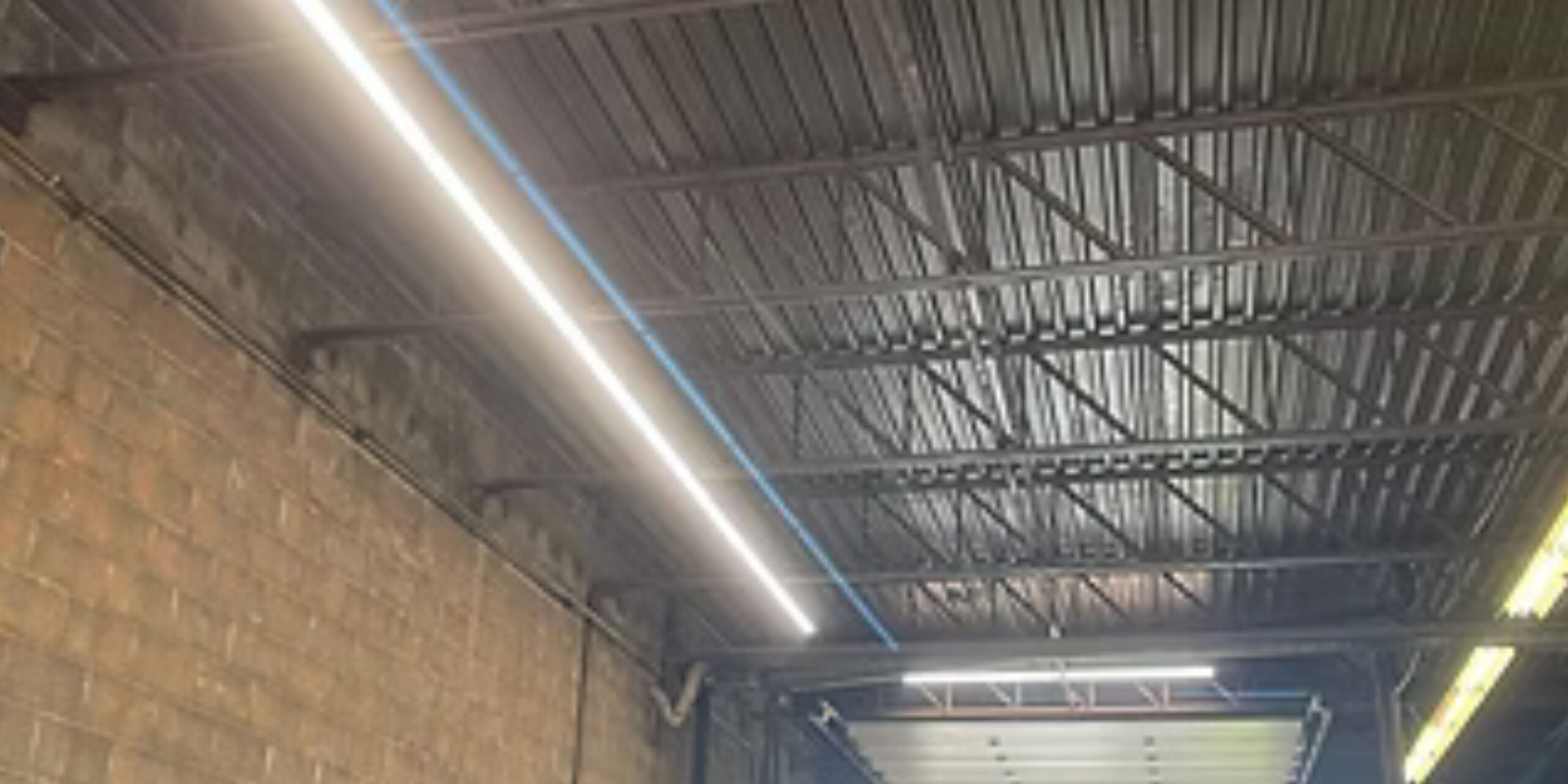
- Warehouses often run lights for long stretches, sometimes around the clock. Even a small drop in power use per fixture adds up fast across hundreds of bulbs. LED also holds up well in cold storage and high-ceiling areas, where changing bulbs is a hassle.
- Offices gain from brighter, more even light. This can ease eye strain and help staff stay focused through the day.
- Retail spaces depend on lighting to show off products. LED fixtures give off crisp, true-to-colour light. This makes merchandise look sharp, without the yellow tint older bulbs tend to cast.
What Affects the Payback Time?
A few things shape how fast a retrofit pays for itself:
- How many hours the lights run each day
- Local electricity rates
- The size and layout of the space
- Whether rebates or incentives apply
- The condition of the current wiring and fixtures
Many provinces offer rebates or incentives for energy-efficient upgrades. This can shorten the payback time even more. A trusted team of commercial electrical contractors can help figure out which rebates apply and plan the install without disrupting daily work.
Is It Worth the Upfront Cost?
For most warehouses, offices, and retail spaces, the answer is yes. The upfront cost of a commercial LED lighting retrofit gets balanced out by lower power bills, fewer repair calls, and a safer, more comfortable space for staff and customers. Add in rebates and the long life of LED fixtures, and the return on investment tends to build up fast, then keep growing.
Final Thoughts
Old lighting quietly drains money every month through wasted power and constant upkeep. A well-planned LED retrofit fixes both issues, and it improves the look and feel of a space too. Whether it’s a warehouse running lights all day, an office aiming for a better work environment, or a retail store that wants its products to shine, the switch tends to pay for itself over time. Talking to a licensed electrical contractor is the best first step. They can walk through costs, rebates, and the right fixtures for the space.