The Latin America Air Conditioning Systems Market is entering a new phase of growth as countries across the region invest in energy-efficient cooling technologies, sustainable infrastructure, and smart building solutions. Rapid urbanization, rising temperatures, expanding commercial construction, and improving living standards are encouraging households and businesses to adopt modern air conditioning systems. The growing focus on reducing electricity consumption has also accelerated demand for inverter-based air conditioners, eco-friendly refrigerants, and intelligent climate control solutions.
The Latin America air conditioning systems market size reached USD 6.6 Billion in 2025. Looking forward, IMARC Group expects the market to reach USD 10.7 Billion by 2034, exhibiting a growth rate (CAGR) of 5.19% during 2026-2034. Countries including Brazil, Mexico, Argentina, Chile, and Colombia are investing in energy-efficient cooling equipment to meet rising climate control requirements while complying with evolving environmental regulations.
Manufacturers are introducing innovative technologies that improve indoor comfort while minimizing energy consumption. At the same time, governments across the region are encouraging sustainable construction practices and promoting the adoption of high-efficiency HVAC equipment through energy conservation policies.
Request Sample PDF Report: https://www.imarcgroup.com/latin-america-air-conditioning-systems-market/requestsample
How Smart Technologies Are Reshaping the Latin America Air Conditioning Systems Market
Technological innovation is transforming the way air conditioning systems are designed, installed, and maintained across Latin America.
Smart Climate Control
Modern air conditioning units now feature Wi-Fi connectivity, allowing users to monitor and adjust indoor temperatures remotely through mobile applications. Smart scheduling and occupancy detection help reduce unnecessary energy usage while improving user comfort.
Predictive Maintenance
Advanced monitoring systems continuously evaluate equipment performance, enabling service providers to identify potential issues before breakdowns occur. This approach reduces maintenance costs, minimizes downtime, and extends equipment life.
Energy Optimization
Artificial intelligence and intelligent control systems analyze weather conditions, occupancy levels, and operating patterns to optimize cooling performance while reducing electricity consumption.
Eco-Friendly Refrigerants
Manufacturers are increasingly replacing conventional refrigerants with environmentally friendly alternatives that offer lower global warming potential while maintaining high cooling efficiency.
Key Growth Drivers of the Latin America Air Conditioning Systems Market
Several long-term factors continue to support expansion across the regional market.
Rising Urbanization
The steady growth of urban populations has increased demand for residential apartments, shopping centers, hospitals, educational institutions, hotels, and office buildings. Every new development creates opportunities for efficient air conditioning installations.
Expanding Commercial Construction
Retail complexes, airports, business parks, hospitality facilities, and healthcare infrastructure continue to expand across Latin America. These projects require centralized and energy-efficient cooling systems capable of operating under varying climate conditions.
Growing Residential Demand
Increasing disposable income and improving living standards have encouraged more consumers to invest in home air conditioning systems. Demand is particularly strong in regions experiencing prolonged periods of high temperatures.
Industrial Development
Manufacturing facilities, warehouses, pharmaceutical plants, and food processing industries depend on reliable temperature control to maintain product quality and operational efficiency. Industrial growth continues to create new opportunities for HVAC equipment suppliers.
Focus on Energy Efficiency
Consumers and businesses are becoming increasingly conscious of electricity costs. High-efficiency inverter technology, variable-speed compressors, and intelligent energy management systems are becoming preferred choices due to their lower operating expenses.
Emerging Market Trends
Several industry trends are shaping the future of the Latin America Air Conditioning Systems Market.
Inverter Technology Becoming Standard
Inverter air conditioners are replacing conventional systems because they deliver better temperature stability while consuming significantly less electricity.
Growth of Smart Buildings
Commercial buildings are integrating air conditioning systems with building management platforms that automate temperature control, ventilation, lighting, and energy monitoring.
Demand for Sustainable Cooling
Environmental awareness is encouraging the adoption of systems that utilize refrigerants with lower environmental impact while meeting international efficiency standards.
Retrofit Projects Increasing
Many older commercial buildings are replacing outdated HVAC systems with modern, energy-efficient equipment to reduce operating costs and comply with updated building regulations.
Expansion of Green Construction
The increasing number of green-certified buildings across Latin America is driving demand for advanced air conditioning systems designed to support sustainable construction practices.
Government Initiatives Supporting Energy-Efficient Cooling
Governments throughout Latin America are implementing policies that encourage sustainable cooling technologies and energy conservation.
Brazil
Energy efficiency programs promote the adoption of high-performance appliances while supporting investments in sustainable commercial buildings.
Mexico
National energy conservation initiatives encourage manufacturers and consumers to adopt efficient cooling systems that reduce electricity demand and greenhouse gas emissions.
Chile
Green building regulations encourage the installation of environmentally responsible HVAC equipment in residential and commercial developments.
Colombia
Public infrastructure modernization projects increasingly prioritize energy-efficient climate control systems for government buildings, healthcare facilities, and educational institutions.
These initiatives are encouraging manufacturers, contractors, and property developers to invest in next-generation cooling technologies that balance performance with environmental responsibility.
Latin America Air Conditioning Systems Industry Segmentation
The report provides comprehensive insights into every major segment of the Latin America Air Conditioning Systems Market.
Product Type Insights:
- Unitary
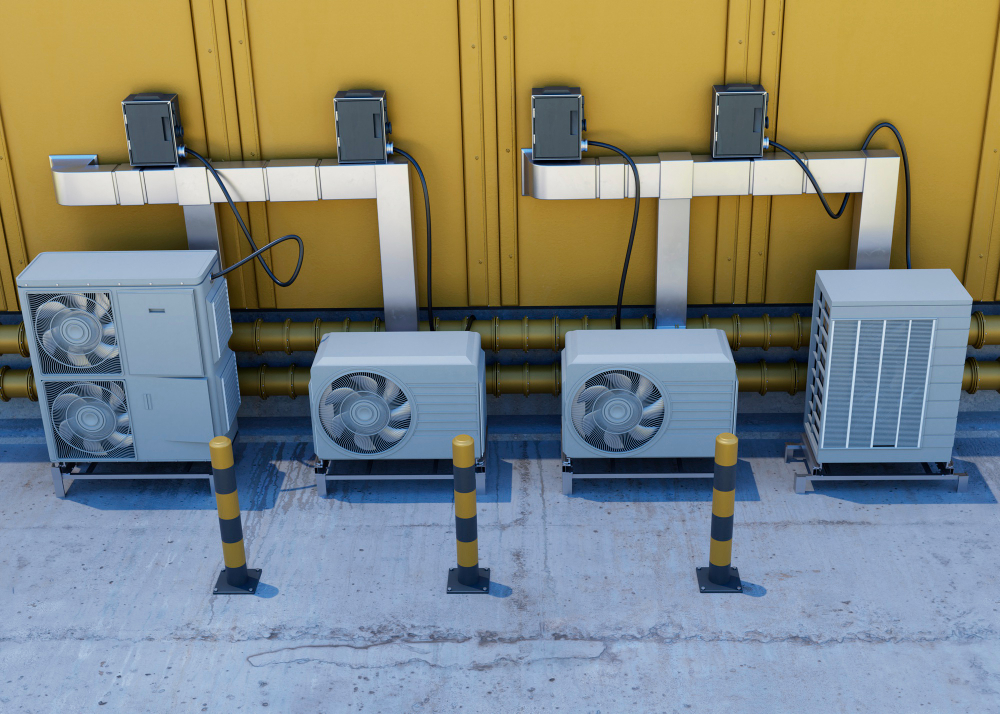
- Rooftop
- PTAC
- Others
The report has provided a detailed breakup and analysis of the market based on the product type. This includes unitary, rooftop, PTAC, and others.
Distribution Channel Insights:
- Specialty Stores
- Supermarkets and Hypermarkets
- Online
- Others
A detailed breakup and analysis of the market based on the distribution channel have also been provided in the report.
Technology Insights:
- Inverter
- Non-Inverter
A detailed breakup and analysis of the market based on the technology have also been provided in the report. This includes inverter and non-inverter.
End Use Insights:
- Residential
- Commercial
- Industrial
A detailed breakup and analysis of the market based on the end use have also been provided in the report. This includes residential, commercial, and industrial.
Breakup by Country
- Brazil
- Mexico
- Argentina
- Chile
- Colombia
- Peru
- Others
Brazil represents one of the largest regional markets due to its expanding urban population, commercial infrastructure development, and increasing demand for energy-efficient cooling systems.
Competitive Landscape
The report profiles leading companies operating in the Latin America Air Conditioning Systems Market, examining their product portfolios, manufacturing capabilities, innovation strategies, distribution networks, and recent developments.
Leading manufacturers continue investing in:
- Energy-efficient inverter technology
- Smart connected HVAC solutions
- Eco-friendly refrigerants
- Advanced compressor technologies
- Regional manufacturing expansion
- Digital monitoring platforms
- Sustainable product development
Strategic collaborations, product launches, and technological innovation remain important competitive strategies across the industry.
Future Outlook
The Latin America Air Conditioning Systems Market is expected to experience sustained expansion over the coming years as energy efficiency, smart technologies, and environmental sustainability become central priorities for consumers, businesses, and governments. Rising investments in commercial infrastructure, residential construction, industrial facilities, and public development projects will continue generating demand for advanced cooling solutions.
Manufacturers are expected to focus on intelligent climate control, connected HVAC systems, environmentally friendly refrigerants, and high-efficiency inverter technologies that reduce operating costs while improving overall performance. As countries strengthen energy conservation policies and encourage sustainable building practices, the market will offer attractive opportunities for equipment manufacturers, component suppliers, distributors, and service providers throughout Latin America.