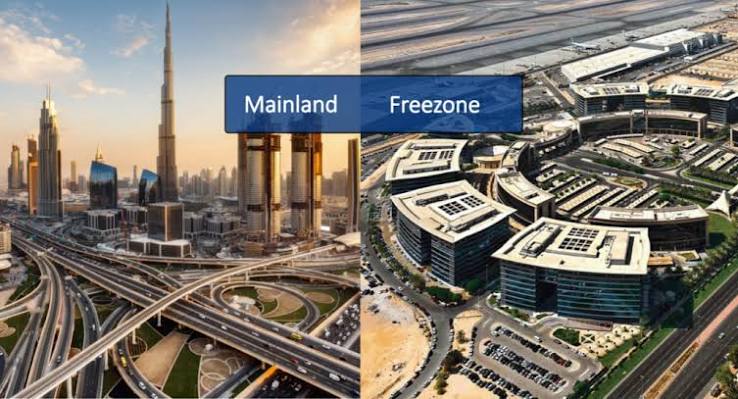
TL;DR: Choosing between a mainland and free zone setup in Dubai depends on your target market, budget, and operational needs. Mainland companies can trade freely across the UAE, while free zone companies offer tax benefits and full foreign ownership. Most service businesses benefit from mainland if they want local clients, and free zone if they primarily serve international markets.
Starting a service business in Dubai is an exciting step. The city offers a strong economy, a global client base, and a business-friendly environment that few places can match. But one of the first big decisions you will face is where to set up: mainland or free zone?
Both options have real advantages. Both also come with trade-offs. The right choice depends on your specific goals, your clients, and how you plan to grow. This guide breaks it all down in plain language so you can move forward with confidence.
What Do Mainland and Free Zone Actually Mean?
Before diving into the comparison, it helps to understand what each setup actually involves.
A mainland company is registered with the Department of Economic Development (DED) in Dubai. It allows you to operate anywhere in the UAE, work with government contracts, and serve local clients without restrictions.
A free zone company is registered within one of Dubai’s many designated economic zones, such as DMCC, DIFC, or IFZA. These zones were created to attract foreign investment and offer perks like 100% foreign ownership, zero corporate tax on qualifying income, and simplified setup processes.
Both are legitimate, widely used structures. The key is knowing which one suits your business model.
How Business Consulting Services in Dubai Are Typically Structured
If you are offering professional or advisory services, the setup decision carries extra weight. Business consulting services in Dubai operate across both structures, but the choice often comes down to one core question: who are your clients?
Mainland companies can sign contracts directly with UAE-based businesses and government entities. There are no restrictions on where you operate within the country. This makes mainland the preferred choice for consultants who want to build a strong local client base.
Free zone companies, on the other hand, face limitations when working with mainland UAE clients directly. To do so, they typically need to appoint a mainland distributor or agent, or set up a branch. This adds cost and complexity.
That said, if your consulting work is primarily with international clients or businesses within the same free zone, the free zone structure works well and keeps your overheads lower.
Key tip: If your growth plan includes UAE government contracts or local corporate clients, mainland is the safer long-term bet.
What a Professional Business Management Consultant in Dubai Should Consider
Setup structure is one of the most important early decisions a professional business management consultant in Dubai will make. Here are the main factors to weigh carefully.
Ownership and Control
Historically, mainland companies required a local UAE sponsor who held 51% ownership. That changed significantly in 2021, when the UAE amended its Commercial Companies Law to allow 100% foreign ownership in most mainland sectors, including many professional services.
Free zones have always allowed full foreign ownership. So while this used to be a major advantage of free zones, the gap has narrowed considerably.
Cost of Setup and Ongoing Fees
Free zones are often cheaper to set up initially. Packages can start from AED 10,000 to AED 15,000 depending on the zone, and many include a visa allocation and a flexi-desk workspace.
Mainland setup costs vary more widely. You will typically pay DED licensing fees, notary fees, and potentially office rental costs, since most mainland licenses require a physical office space. Budget anywhere from AED 15,000 to AED 30,000 or more depending on your business activity and location.
Free zones can look more affordable upfront, but renewal fees add up. Always calculate your three-year total cost of ownership before deciding.
Office Requirements
Most mainland licenses require a tenancy contract for a physical office. This is registered through Ejari, Dubai’s rental contract registration system.
Free zones offer more flexibility. Many provide virtual office options, co-working memberships, or flexi-desks that reduce your space commitments. For solo consultants or small teams, this can be a significant saving.
Taxes and Financial Benefits
Both structures benefit from the UAE’s competitive tax environment. The corporate tax rate introduced in 2023 applies to businesses with annual profits above AED 375,000. Free zone entities that meet qualifying criteria may still benefit from a 0% rate on qualifying income.
Neither structure charges personal income tax. This remains one of Dubai’s most powerful draws for professionals relocating from high-tax countries.
When to Choose Mainland
Choose a mainland setup if:
- Your primary clients are UAE-based businesses or government entities
- You want to operate from any location in the UAE without restrictions
- You plan to hire a larger team and need a formal office presence
- You are bidding for government or semi-government contracts
When to Choose a Free Zone
Choose a free zone setup if:
- You primarily serve international clients or companies within the same free zone
- You want lower initial setup costs and flexible office options
- You are a solo consultant or running a small team
- You want straightforward 100% foreign ownership with minimal paperwork
Final Words
There is no universally better option between mainland and free zone. It really comes down to your clients, your budget, and your growth plans. For service businesses focused on the local UAE market, mainland typically offers more commercial freedom. For those serving international clients or wanting a lean, flexible operation, free zones deliver strong value.
Take the time to map out your target clients, your three-year financial plan, and your team size before making the call. And if you are not sure where to start, working with a licensed setup consultant in Dubai can save you time, money, and a lot of paperwork.
Frequently Asked Questions
Can a free zone company work with UAE mainland clients?
Yes, but not directly in most cases. A free zone company typically needs to appoint a mainland agent or distributor to serve UAE mainland clients. Some free zones allow direct trading under specific conditions, so it is worth checking the rules of your chosen zone.
Is 100% foreign ownership available on the mainland in Dubai?
Yes. Since the UAE updated its Commercial Companies Law in 2021, 100% foreign ownership is permitted for most business activities on the mainland, including professional and consulting services. A local sponsor is no longer required in most cases.
How long does it take to set up a company in Dubai?
Free zone setups can often be completed in three to seven business days. Mainland setups typically take one to three weeks depending on the activity type, documentation, and approvals required.
What is the minimum cost to set up a service business in Dubai?
Free zone licenses can start from around AED 10,000 to AED 15,000. Mainland licenses generally start from AED 15,000 but can go higher depending on office requirements and activity type.
Do I need a physical office for a Dubai business license?
Mainland licenses typically require a registered physical office space. Free zones often offer virtual office and flexi-desk options, which are more affordable for small teams or solo operators.