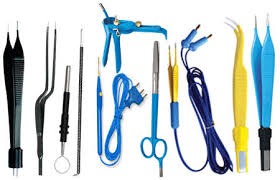
How a Medical Instrument Manufacturer Shapes the Future of Patient Care
The healthcare industry depends heavily on precision, reliability, and innovation, all of which are made possible through the expertise of a medical instrument manufacturer. These companies play a critical role in producing the tools and devices that healthcare professionals use every day to diagnose illnesses, perform surgeries, monitor patients, and support treatment plans. From simple diagnostic instruments to advanced surgical equipment, manufacturers ensure that medical facilities have access to high-quality products that improve patient outcomes and enhance clinical efficiency. As healthcare technologies continue to evolve, manufacturers remain at the forefront of developing solutions that meet the growing demands of modern medicine.
The Growing Importance of Advanced Medical Equipment Production
The demand for sophisticated healthcare solutions has increased significantly over the past decade. A medical instrument manufacturer is responsible for meeting this demand by creating devices that combine precision engineering with innovative technology. Hospitals and clinics rely on these instruments to provide accurate diagnoses and effective treatments. Whether it is imaging systems, monitoring devices, or surgical tools, every product must meet strict quality standards before reaching healthcare professionals. This commitment to excellence helps healthcare providers deliver safer and more efficient care while reducing the risk of complications during medical procedures.
Innovation as the Foundation of Manufacturing Excellence
Technological advancement is one of the most important factors driving success in the medical equipment sector. A leading medical instrument manufacturer continuously invests in research and development to create products that improve healthcare delivery. Modern medical instruments often incorporate digital technologies, artificial intelligence, and automation features that enhance accuracy and usability. These innovations help healthcare professionals make informed decisions quickly and effectively. By embracing emerging technologies, manufacturers contribute to the advancement of medical science and support better treatment outcomes across a wide range of specialties.
Quality Assurance and Regulatory Compliance in Production
Producing medical devices requires strict adherence to quality control processes and regulatory requirements. Every medical instrument manufacturer must ensure that products comply with national and international healthcare standards. Rigorous testing procedures are implemented throughout the manufacturing process to verify safety, durability, and performance. Compliance with industry regulations not only protects patients but also strengthens trust among healthcare providers. Manufacturers that prioritize quality assurance establish strong reputations in the market and become preferred partners for hospitals, clinics, and healthcare organizations worldwide.
Supporting Healthcare Professionals with Reliable Solutions
Healthcare providers depend on accurate and dependable instruments to perform their duties effectively. A medical instrument manufacturer understands the importance of reliability and designs products that function consistently in demanding clinical environments. From operating rooms to emergency departments, medical instruments must perform flawlessly under pressure. Reliable equipment helps physicians, surgeons, and nurses focus on patient care without worrying about equipment failures. This reliability contributes directly to improved healthcare outcomes and enhances the overall efficiency of medical facilities.
Custom Manufacturing for Specialized Medical Applications
Different healthcare disciplines require specialized instruments tailored to specific procedures and treatments. A medical instrument manufacturer often works closely with healthcare professionals to develop customized solutions that address unique clinical needs. Specialized surgical tools, diagnostic devices, and laboratory equipment are designed to improve precision and support specialized medical practices. Custom manufacturing enables healthcare providers to access equipment that aligns perfectly with their operational requirements, resulting in greater effectiveness and improved patient experiences.
Sustainability Trends in Medical Device Manufacturing
Environmental responsibility has become an increasingly important consideration in healthcare production. Many organizations now seek partnerships with a medical instrument manufacturer that prioritizes sustainable manufacturing practices. Companies are adopting environmentally friendly materials, reducing waste, and implementing energy-efficient production processes to minimize their environmental impact. Sustainable manufacturing not only supports global environmental goals but also demonstrates corporate responsibility. As healthcare institutions become more environmentally conscious, sustainable production methods are likely to become a significant competitive advantage within the industry.
The Impact of Digital Transformation on Manufacturing Processes
Digital technologies are transforming how medical instruments are designed, manufactured, and distributed. A modern medical instrument manufacturer leverages advanced software, automation systems, and data analytics to optimize production efficiency. Digital tools enable manufacturers to identify potential issues early, improve quality control, and accelerate product development cycles. These capabilities allow companies to respond quickly to changing healthcare demands while maintaining high standards of quality and performance. Digital transformation continues to redefine the manufacturing landscape and create new opportunities for innovation.
Global Demand and Market Expansion Opportunities
Healthcare systems around the world continue to expand, creating significant opportunities for manufacturers of medical equipment. A medical instrument manufacturer serving international markets must understand diverse regulatory environments, healthcare requirements, and customer expectations. Global expansion requires strategic planning, efficient supply chain management, and a commitment to maintaining consistent product quality across regions. Manufacturers that successfully navigate international markets can strengthen their brand presence and contribute to improved healthcare accessibility on a global scale.
Research and Development as a Competitive Advantage
The ability to innovate is a major factor that distinguishes successful companies within the healthcare manufacturing sector. A medical instrument manufacturer that invests heavily in research and development is better positioned to create groundbreaking products that address emerging medical challenges. Continuous innovation leads to the introduction of advanced technologies that improve diagnostic accuracy, treatment effectiveness, and patient safety. Research-driven manufacturers can anticipate market trends and develop solutions that meet future healthcare needs before they become widespread demands.
Building Strong Partnerships Across the Healthcare Industry
Collaboration plays a vital role in the success of any medical instrument manufacturer. Manufacturers often work closely with hospitals, research institutions, healthcare professionals, and technology providers to develop products that deliver meaningful value. These partnerships facilitate knowledge sharing, encourage innovation, and ensure that products align with real-world clinical requirements. Strong industry relationships enable manufacturers to stay informed about evolving healthcare challenges and create solutions that address them effectively.
Future Prospects for Medical Instrument Manufacturing
The future of healthcare will continue to be shaped by technological innovation, demographic changes, and increasing demand for quality medical services. A medical instrument manufacturer will remain a key contributor to this transformation by developing devices that enhance patient care and support healthcare professionals. Emerging technologies such as artificial intelligence, robotics, and remote monitoring systems are expected to influence the next generation of medical instruments. Manufacturers that embrace these advancements will be well-positioned to lead the industry and contribute to a healthier future for communities around the world.
Conclusion
A medical instrument manufacturer serves as a cornerstone of the modern healthcare ecosystem. Through innovation, quality assurance, technological advancement, and collaboration, these companies provide the essential tools that healthcare professionals rely on every day. As medical science continues to evolve, manufacturers will play an increasingly important role in improving patient outcomes, enhancing operational efficiency, and supporting the delivery of high-quality healthcare services. Their commitment to excellence ensures that healthcare providers have access to the reliable and advanced equipment needed to meet the challenges of an ever-changing medical landscape.