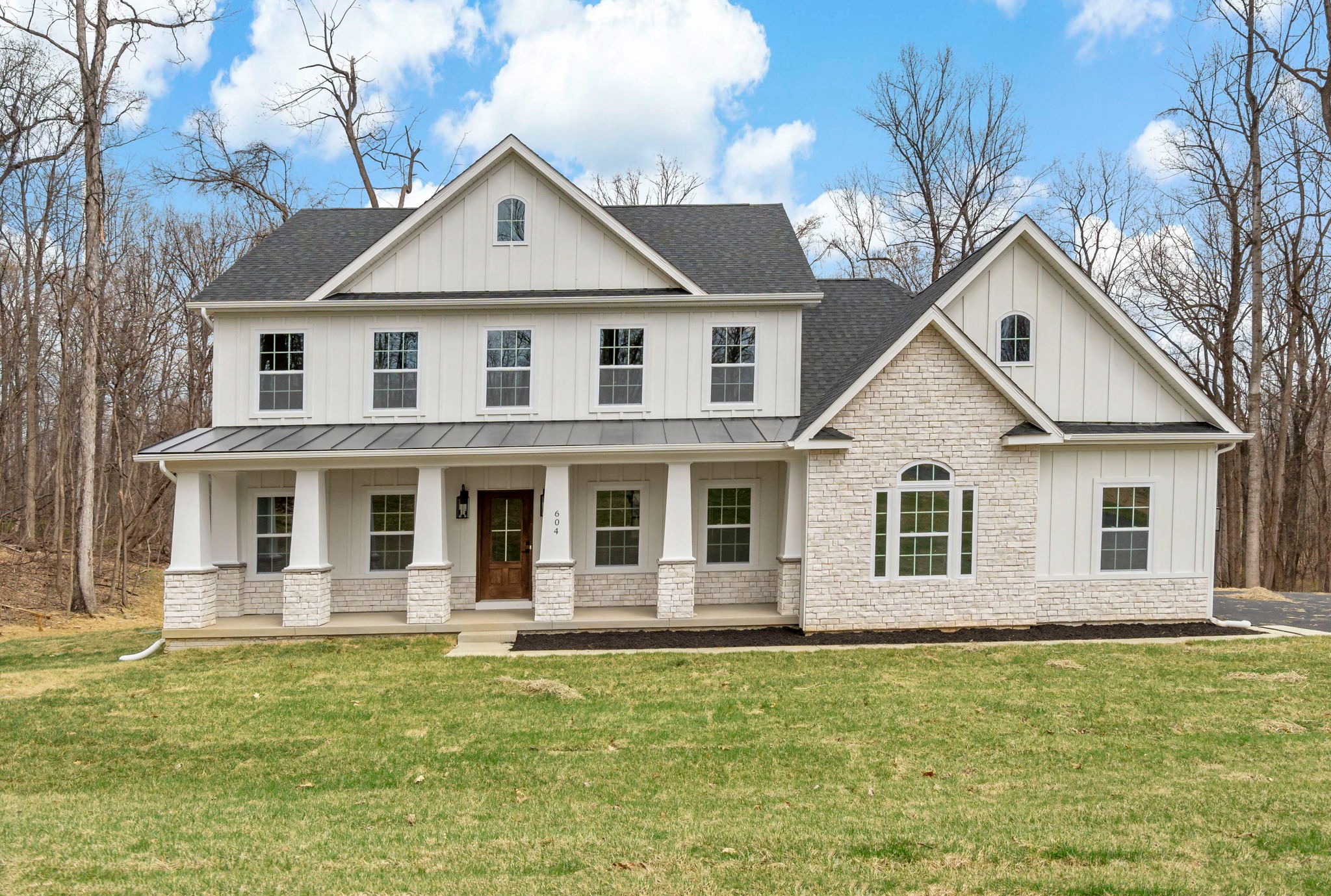
Choosing where your next story is going to unfold is one of life’s most important decisions. In the Eastern Panhandle of West Virginia, for those aiming to build or improve their dream home, decisions become incredibly specific. Do you purchase and carve out a piece of land in the undulating landscape of Morgan County, then begin building from scratch? Or will you acquire a classic old home in Jefferson County, or a neighborhood house in Berkeley County, and have it remodeled to your taste?
Between deciding on building new versus undertaking a large renovation, a host of variables come into play: local zoning laws, underlying structural stability, flexibility regarding the construction timeframe, and what your ultimate lifestyle will be like. This article will dissect the core differences between building and remodeling, highlighting the exact manner in which a professional contractor will contribute to each endeavor.
Demographics and site specifics tailored to your individual tastes
Your location in the Eastern Panhandle will play a significant role in any new construction project. A well-versed new build contractor service will need to account for the specificities of building in the often rugged and elevation-heavy terrain found around Berkeley Springs or the relatively open country surrounding Martinsburg. They will be responsible for:
- Site Preparation: This will include the clearing of timber, the balancing of the terrain through grading slopes, and all necessary excavation.
- Infrastructure Development: This includes the planning and installation of septic systems, digging deep wells to source water, and setting up electrical connections where there are none.
- Environmental Adaptation: Foundations will need to be developed that can withstand the freeze-thaw cycle prevalent in West Virginia’s weather as well as the common clay-loam soils found throughout the region.
Contemporary features and efficiency that are up to the highest standards
A brand new build is guaranteed to comply with the latest building codes. The entirety of the construction, right down to the engineered roof trusses and the concrete slab the home rests upon, is being built to a modern standard of quality and performance. When new houses are built, they possess air-tight envelopes. They are fitted with state-of-the-art insulation and vapor barriers, leading to much more efficient energy consumption and lower utility bills compared to older properties.
In addition to saving money, you can also easily install modern features, such as zone-controlled HVAC, smart home capabilities, and circuits for charging electric vehicles, all without the need to rip down finished walls or deal with outdated electrical systems.
The Renovation: Charm, Location and preserved history
Choosing a renovation over a new build offers its own set of compelling advantages, especially for homes found in areas like Charles Town, Shepherdstown, or Harpers Ferry, where history runs deep. Few people can replicate the timeless, original characteristics of these structures in new construction.
Allure of established neighborhoods
When you decide to renovate a property, you will often gain access to sought-after locations that are completely built up with no empty land. The mature trees, generous lot sizes, and proximity to historic downtown areas are highly desirable features of older neighborhoods.
Unknowns and code compliance in a renovation
Though it provides aesthetic advantages, renovation is not without its potential complications. A renovation expert will need to function as an investigator, as they must look for and diagnose underlying problems like saggy floor joists, obsolete knob-and-tube wiring, a need for galvanized pipe replacement, or hazards such as lead and asbestos materials that will need immediate remediation. A competent contractor will balance the need to conform to current building codes with the need to adapt them to a historically significant structure while bolstering any compromised load-bearing walls and updating old electrical and plumbing lines.
The Role of Your Building Contractor
Regardless of the decision between building new and undertaking a large renovation, a general building contractor serves as the center of the operation. They are essentially the project manager for all of the work, making sure that the permit process goes smoothly with local officials, and handling any problems that arise on site so you don’t have to.
A dedicated contractor will arrange for structural engineers, interior designers, master electricians, and framers to work on your property. They will manage all the complexities involved with obtaining the permits needed to begin building in accordance with local zoning laws. From ensuring that building materials are being delivered on time and at the right price to confirming that all work is being performed to the highest possible standards on the building site, a contractor is a shield against many of the complexities and stresses involved in construction.
Conclusion
Whatever the choice, the quality of the builder you hire, their familiarity with the area and its laws, and their expertise in performing construction are absolutely vital for a successful outcome. If you are a property owner within the Eastern Panhandle hoping to realize the dream of building a unique and ideal home from the ground up, partnering with an experienced regional builder will be a critical component to making it happen. The team at TrueNorth Custom Homes is eager to bring years of experience working within this area of West Virginia to the forefront, along with their reputation for unwavering quality and deeply rooted local connections, to transform your architectural visions into a home you can pass down through generations.