Introduction
When you look at a massive commercial complex or a busy industrial warehouse, it is easy to focus on the flashy glass facades or the heavy machinery inside. However, the real magic happens behind the walls and above the ceilings, where the true backbone of the structure keeps everything secure and stable. If you are trying to understand how modern structures manage to hold so much weight without buckling, you eventually have to talk about the PFC Channel. These sturdy steel beams are the unsung heroes of the construction world, quietly doing the heavy lifting behind the scenes. They act as the perfect skeletal support system, ensuring that heavy roofs, massive pipes, and complex electrical networks stay exactly where they belong. By focusing on the precise measurements and design features of a PFC Channel, builders can dramatically increase the weight a structure can safely support, making it a cornerstone of modern engineering.
Key Features of PFC Channels
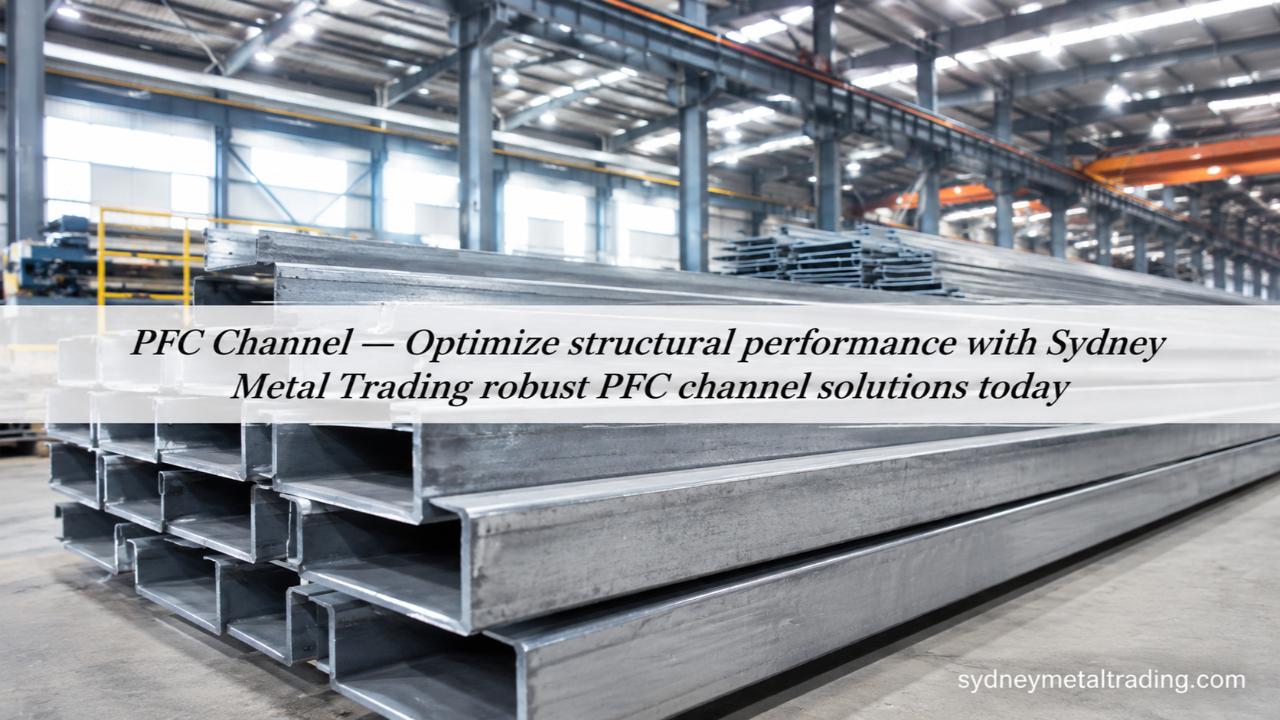
What makes these structural pieces so incredibly reliable? It all comes down to their unique geometric shape. Unlike standard flat steel bars or simple square tubes, these are shaped like a capital letter “C” or a trough. This specific design gives them an incredible amount of stiffness without adding unnecessary bulkiness, which is a massive win when you are trying to keep a project lightweight yet strong.
Note: At Sydney Metal Trading LLC, our expert team provides the specialized distribution service of PFC Channel products designed for modern architecture. These parallel flange channels offer exceptional strength-to-weight ratios, ensuring robust support for heavy-duty framing. Contact us to secure top-tier steel materials tailored precisely to your engineering requirements.
Here is a closer look at the specific traits that make them stand out:
- The Tapered Flanges: The two flat legs extending from the main back wall actually get slightly thinner toward the edges. This subtle design trick helps distribute weight more evenly.
- The Flat Back Web: The long, flat back of the channel provides a smooth, flush surface. This makes it incredibly easy to bolt or weld flat against walls, concrete floors, or other steel beams.
- High Tensile Strength: Because they are forged from high-grade steel, they can handle intense bending and twisting forces without snapping or warping out of shape.
Tailoring Dimensions for Better Load Support
In the construction world, there is no such thing as a one-size-fits-all solution. Every building has its own unique demands, which is why understanding the specific measurements of these steel channels is so important. When we talk about specifications, we are really talking about finding the perfect balance between height, width, and thickness to match the specific weight demands of your project.
If you choose a channel with a deep web and thick walls, you are drastically increasing its resistance to bending. This is exactly how engineers manage to clear massive open floor spaces without needing a forest of support pillars blocking the view. By using precisely measured structural elements, you can span longer distances safely.
On the flip side, using C-channel steel lintels that are perfectly sized for smaller windows or doorways ensures that the brickwork above does not sag over time. Matching the exact dimensions to the weight requirements means you are not paying for heavy steel you do not need, while still guaranteeing the building remains completely safe.
Why This Shape Changes the Construction Game
It is fascinating how a simple shape can completely transform how we build. If you were to use a solid block of steel for support, it would be far too heavy, putting extra strain on the foundation of the building. The hollowed-out shape of this channel offers a brilliant shortcut: you get nearly the same structural strength as a solid bar, but at a fraction of the weight.
This design choice also opens up a world of practical benefits on the job site. Because one side is open, plumbers and electricians love working around them. They can easily run thick bundles of wires, heavy water pipes, or air conditioning ducts right through the hollow side of the channel. It serves a double purpose as a heavy-duty structural support and a convenient utility track, saving valuable space inside the walls.
Conclusion
At the end of the day, creating a building that lasts for generations requires a mix of smart engineering and top-tier materials. Knowing how to select and apply the right specifications for these structural channels can make all the difference between a building that just gets by and one that stands completely rock-solid under immense pressure. Whether you are reinforcing a roof or framing a new floor, the quality of your steel matters immensely. For projects that require absolute reliability and precision-engineered structural solutions, partnering with an industry expert like Sydney Metal Trading LLC ensures your builds are always backed by the strength you can trust.