Bedbugs are small insects that can create significant discomfort in residential properties. These pests feed on human blood and typically become active during the night. Because they are excellent at hiding in mattresses, furniture, carpets, and wall cracks, infestations can grow quickly before homeowners realize there is a problem. Understanding how bedbugs spread and survive is important for maintaining a healthy and comfortable living environment.
How Bedbugs Enter a Home
Bedbugs are often introduced into homes through luggage, clothing, used furniture, or personal belongings. Unlike some pests, they do not enter a property because of poor cleanliness. Even well-maintained homes can experience infestations. Once inside, bedbugs can move from room to room and establish hiding places in areas where people sleep or spend long periods. Their ability to remain hidden makes them particularly difficult to detect during the early stages.
Common Signs of Bedbug Activity
Recognizing the warning signs of a bedbug infestation can help homeowners take action sooner. Small bite marks on exposed skin, tiny blood spots on bedding, and dark stains on mattresses are common indicators. Some people may also notice shed skins or live insects hiding in seams and crevices. Early identification is important because a smaller infestation is generally easier to manage than one that has spread throughout the property.
Why Professional Bedbug Removal Is Important
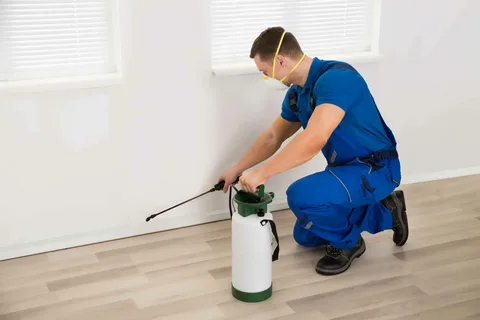
While some homeowners attempt do-it-yourself solutions, bedbugs are known for their resilience and ability to survive in hard-to-reach locations. Professional pest control services use specialized methods to locate and eliminate infestations more effectively. Homeowners exploring Residential Bedbug Removal Services Raleigh NC often find that professional treatment provides a more comprehensive solution than temporary home remedies. Proper treatment helps reduce the likelihood of recurring infestations.
Modern Techniques Used for Bedbug Control
Today’s pest management professionals use a variety of treatment methods to address bedbug problems. Heat treatments, targeted insecticide applications, and detailed inspections are among the most common approaches. In many cases, technicians combine multiple techniques to maximize effectiveness. The treatment strategy is usually based on the size of the infestation, the layout of the property, and the specific conditions within the home.
Preventing Future Bedbug Problems
Prevention is an important part of long-term pest management. Homeowners can reduce risks by inspecting luggage after traveling, carefully examining secondhand furniture before bringing it indoors, and regularly checking sleeping areas for signs of activity. Protective mattress covers and routine inspections can also help limit opportunities for bedbugs to establish themselves. Consistent awareness is often one of the best defenses against future infestations.
The Importance of Property Inspections
Thorough inspections play a critical role in identifying pest problems before they become severe. Trained technicians know where bedbugs are most likely to hide and can uncover infestations that may not be visible to homeowners. Inspections provide valuable information about the extent of the problem and help determine the most suitable treatment plan. Early intervention often leads to faster and more effective results.
Commercial Pest Challenges and Termite Protection
While bedbugs are a common concern in homes, commercial properties frequently face different pest-related challenges. Businesses often require specialized solutions to protect large facilities from structural pests. Many property managers work with Commercial Termite Exterminators Services to safeguard buildings from termite damage. Effective termite management helps maintain structural integrity and reduces the risk of costly repairs that can disrupt business operations.
Long-Term Benefits of Professional Pest Management
Investing in professional pest control can provide lasting advantages for both homeowners and property managers. Effective treatments help eliminate active infestations while supporting ongoing prevention efforts. Regular monitoring and maintenance programs can identify potential problems before they become serious. This proactive approach often results in lower long-term costs and greater peace of mind for property owners.
Creating a Healthier Living Environment
A pest-free home contributes to comfort, cleanliness, and overall well-being. Understanding the causes of infestations, recognizing early warning signs, and seeking professional assistance when needed are essential steps toward maintaining a healthier property. Whether dealing with bedbugs or preventing other pest concerns, informed decisions and consistent preventive measures can help protect residential spaces for years to come. By staying proactive, homeowners can reduce pest-related stress and enjoy a safer living environment.