In today’s digital world, having a beautiful website is not enough. Your website must also be technically optimized so search engines can crawl, index, and rank it effectively. This is where Technical SEO becomes essential.
Technical SEO focuses on improving the backend structure and performance of a website to help search engines understand your content better. A technically optimized website improves visibility, user experience, page speed, and overall search engine rankings.
Whether you run a local business, ecommerce store, or corporate website, implementing the right technical SEO features can significantly impact your online success. In this article, we will discuss the most important technical SEO features every business website should have in 2026.
1. Mobile-Friendly Website Design
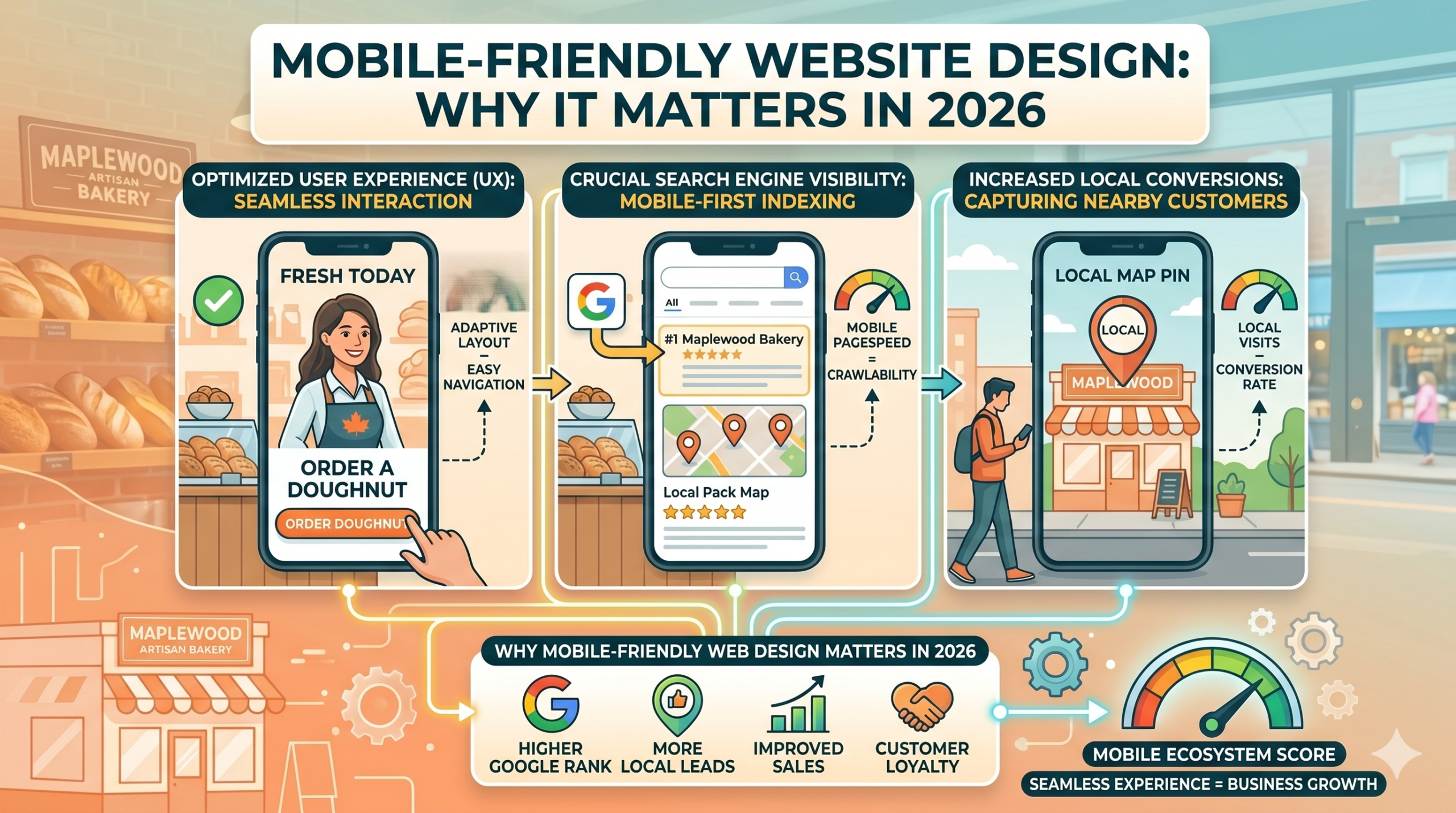
With most internet users browsing on smartphones, mobile responsiveness is no longer optional. Google uses mobile-first indexing, meaning it primarily evaluates the mobile version of your website for ranking purposes.
A mobile-friendly website should:
- Adjust properly to all screen sizes
- Load quickly on mobile devices
- Offer easy navigation and readable text
- Avoid intrusive pop-ups
Responsive design improves user experience and reduces bounce rates, both of which help improve SEO rankings.
2. Fast Website Loading Speed
Website speed is one of the most critical ranking factors. Users expect websites to load within seconds, and slow-loading pages can lead to higher bounce rates and lost customers.
To improve website speed:
- Compress images
- Use browser caching
- Minify CSS, JavaScript, and HTML
- Choose reliable hosting
- Enable lazy loading
- Use a Content Delivery Network (CDN)
Google’s Core Web Vitals also measure user experience based on loading performance, visual stability, and interactivity. A fast website not only improves SEO but also increases conversions and customer satisfaction.
3. Secure HTTPS Connection
Website security is another important technical SEO factor. Google prioritizes secure websites that use HTTPS encryption.
An SSL certificate protects user data and builds trust among visitors. Websites without HTTPS may display “Not Secure” warnings in browsers, which can negatively impact credibility and rankings.
Benefits of HTTPS include:
- Better search rankings
- Improved customer trust
- Secure transactions and data protection
- Safer browsing experience
Every business website should install and maintain a valid SSL certificate.
4. Proper XML Sitemap
An XML sitemap helps search engines understand the structure of your website and discover important pages more efficiently.
A sitemap should include:
- Important website pages
- Updated content URLs
- Blog posts
- Product pages
Submitting your XML sitemap to Google Search Console helps search engines crawl your site more effectively.
A well-optimized sitemap ensures that newly added pages are indexed quickly and improves overall SEO performance.
5. SEO-Friendly URL Structure
Clean and readable URLs improve both user experience and search engine understanding.
A good URL structure should:
- Be short and descriptive
- Include relevant keywords
- Avoid unnecessary numbers or symbols
- Use hyphens instead of underscores
Example:
- Good URL:
yourwebsite.com/technical-seo-features - Bad URL:
yourwebsite.com/page?id=12345
SEO-friendly URLs help improve click-through rates and make content easier to understand.
6. Optimized Robots.txt File
The robots.txt file tells search engines which pages or sections of your website should or should not be crawled.
A properly configured robots.txt file helps:
- Prevent indexing of duplicate pages
- Block unnecessary admin pages
- Improve crawl efficiency
However, incorrect configurations can accidentally block important pages from being indexed. Regular audits are necessary to ensure proper setup.
7. Structured Data Markup (Schema)
Structured data helps search engines better understand your website content. It also improves how your pages appear in search results through rich snippets.
Schema markup can display:
- Star ratings
- FAQs
- Product details
- Business information
- Reviews
- Event details
Using structured data can increase visibility and improve click-through rates from search engines.
For local businesses, Local Business Schema is especially valuable because it helps Google display accurate business information in local search results.
8. Canonical Tags to Avoid Duplicate Content
Duplicate content can confuse search engines and negatively impact rankings. Canonical tags help indicate the preferred version of a webpage.
For example, if multiple URLs contain similar content, canonical tags tell search engines which page should be indexed.
This is especially important for:
- Ecommerce websites
- Filtered product pages
- Pagination pages
- HTTP and HTTPS versions
Proper canonicalization helps preserve SEO value and prevents ranking issues.
9. Internal Linking Structure
Internal links connect pages within your website and help search engines understand site hierarchy and content relationships.
A strong internal linking strategy:
- Improves crawlability
- Distributes page authority
- Helps users navigate easily
- Increases time spent on site
For example, blog posts should link to relevant service pages, and service pages should connect to supporting content.
Well-organized internal linking improves both SEO and user engagement.
10. Core Web Vitals Optimization
Core Web Vitals are Google metrics that measure user experience. They focus on:
- Loading speed
- Interactivity
- Visual stability
The three main metrics are:
- Largest Contentful Paint (LCP)
- First Input Delay (FID)
- Cumulative Layout Shift (CLS)
Improving these metrics can positively affect search rankings and user satisfaction.
Businesses should regularly test their website performance using tools like Google PageSpeed Insights and Search Console.
11. Crawl Error Monitoring
Search engines may face issues while crawling your website. Crawl errors can prevent pages from appearing in search results.
Common crawl issues include:
- Broken links
- 404 errors
- Redirect loops
- Server errors
Regular technical SEO audits help identify and fix these problems quickly.
Monitoring tools such as Google Search Console can help businesses track indexing and crawl performance efficiently.
12. Image Optimization
Images are important for design and engagement, but oversized images can slow down a website.
Image optimization techniques include:
- Compressing images
- Using modern formats like WebP
- Adding descriptive alt text
- Using proper image dimensions
Alt text also improves accessibility and helps search engines understand image content.
Optimized images improve page speed and contribute to better SEO performance.
13. Breadcrumb Navigation
Breadcrumbs improve website navigation by showing users their location within the site structure.
Example:
Home > Services > Web Development > Technical SEO
Breadcrumb navigation helps:
- Improve user experience
- Reduce bounce rates
- Enhance internal linking
- Help search engines understand website hierarchy
Google may also display breadcrumbs in search results, improving visibility.
14. Regular Technical SEO Audits
Technical SEO is not a one-time task. Websites require ongoing monitoring and optimization.
Regular audits help identify:
- Broken links
- Duplicate content
- Slow pages
- Mobile usability issues
- Security problems
Businesses should perform technical SEO audits regularly to maintain website health and stay competitive in search rankings.
Conclusion
Technical SEO is the foundation of a successful website. Without proper technical optimization, even the best content and design may struggle to rank in search engines.
Features like fast loading speed, mobile responsiveness, HTTPS security, structured data, optimized URLs, and proper indexing all contribute to better visibility and user experience.
In 2026, businesses must focus on both user satisfaction and search engine requirements to stay ahead of competitors. Investing in technical SEO not only improves rankings but also increases website traffic, customer trust, and conversions.
A technically optimized website creates a strong digital presence and supports long-term business growth.