
Uterine fibroids are among the most prevalent benign conditions affecting women of reproductive age, yet they remain widely misunderstood and underdiagnosed. A significant proportion of women with fibroids experience no symptoms at all, while others live with pain, heavy bleeding, and fertility challenges that profoundly affect their quality of life. What makes fibroids particularly deceptive is the gradual, quiet manner in which they can interfere with daily function and reproductive health, often being attributed to other causes for months or even years before a correct diagnosis is reached.
What Fibroids Are and Why They Develop
Uterine fibroids, medically known as leiomyomas or myomas, are non-cancerous growths composed of smooth muscle and connective tissue that develop within or around the uterus. They vary enormously in size, from tiny seedlings barely detectable on imaging to large masses that distort the uterine contour significantly.
Their exact cause remains incompletely understood, but hormonal factors, particularly oestrogen and progesterone, play a central role in their growth. This explains why fibroids typically develop during the reproductive years, tend to enlarge during pregnancy, and generally shrink after menopause as hormone levels decline. Genetic predisposition also contributes, with women who have first-degree relatives affected by fibroids carrying a higher risk of developing them.
The Spectrum of Symptoms
The relationship between fibroid size, location, and symptoms is not always predictable. A small fibroid in a particularly sensitive location, such as directly beneath the uterine lining (submucosal), can cause heavier menstrual bleeding and implantation difficulties than a much larger fibroid embedded within the uterine wall (intramural) or on its outer surface (subserosal).
Common symptoms associated with fibroids include:
- Abnormally heavy or prolonged menstrual periods
- Pelvic pressure or a sense of fullness in the lower abdomen
- Frequent urination caused by fibroids pressing against the bladder
- Constipation or difficulty with bowel movements when fibroids press on the rectum
- Lower back pain or discomfort during sexual intercourse
- Abdominal bloating that can be significant enough to affect clothing fit
Many women normalise these symptoms, accepting heavy periods and pelvic discomfort as ordinary aspects of their menstrual experience. This is one of the key reasons fibroids go unaddressed for extended periods.
How Fibroids Affect Fertility
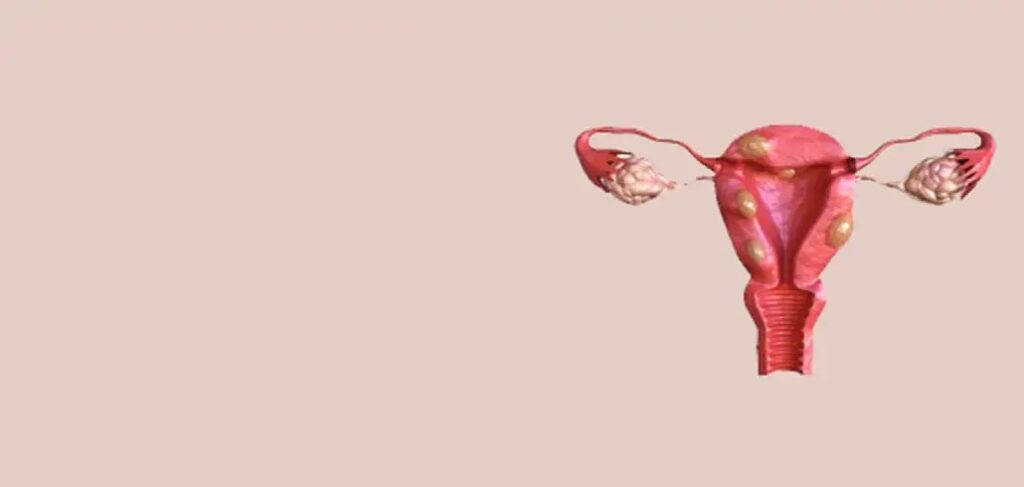
Fibroids can affect fertility depending on their size and location. Submucosal fibroids may interfere with embryo implantation, while large intramural fibroids can distort the uterine cavity or block fallopian tubes, affecting conception and pregnancy. Fibroids have also been linked to miscarriage, preterm labour, and abnormal fetal positioning. However, not all fibroids impact fertility, and many women conceive successfully without treatment. Decisions about treatment are based on fibroid characteristics and the patient’s reproductive goals.
Uterine fibroid embolisation in Ahmedabad is increasingly being evaluated as an option for women with symptomatic fibroids who wish to avoid hysterectomy and preserve their uterus, although careful patient selection is important when fertility preservation is a primary goal.
The Impact on Daily Life and Mental Health
- Fibroids can affect everyday life in many ways, not just fertility.
- Heavy bleeding can cause low iron levels, leading to tiredness, weakness, and poor focus.
- Unpredictable periods may create stress during work, travel, or social events.
- Symptoms like pelvic pressure, frequent urination, and pain during intimacy can reduce comfort and confidence.
- Proper medical care can help manage symptoms and improve overall quality of life.
Diagnosis: What to Expect
Pelvic ultrasound is typically the first-line imaging investigation for suspected fibroids. It can identify the number, size, and general location of fibroids in most cases and is widely available, non-invasive, and inexpensive. For more precise characterisation, particularly when surgical or embolisation planning is required, MRI provides superior delineation of fibroid location relative to the uterine cavity and surrounding structures.
Hysteroscopy allows direct visualisation of the uterine cavity and is particularly useful for identifying submucosal fibroids. Saline infusion sonography, in which saline is introduced into the uterine cavity during ultrasound, can also improve visualisation of intracavitary lesions.
Treatment Options: A Broader Menu Than Many Realise

The treatment landscape for uterine fibroids has expanded considerably, and many women are unaware that options beyond surgery exist.
Medical management with hormonal agents can provide temporary symptom relief and fibroid shrinkage, but effects are typically not sustained after treatment is stopped and are therefore primarily used as short-term bridging therapy before a definitive procedure.
Surgical options include myomectomy, which preserves the uterus, and hysterectomy, which provides definitive resolution. Minimally invasive laparoscopic and robotic approaches have reduced the recovery burden of these procedures significantly compared with open surgery.
Uterine fibroid embolisation in Ahmedabad offers a non-surgical alternative that preserves the uterus. By blocking the blood supply to fibroids through a catheter introduced via the wrist or groin artery, UFE causes fibroids to shrink and symptoms to resolve progressively over months. It is performed under local anaesthesia and sedation, typically as a one-night admission, and avoids the risks and recovery associated with open surgery.
For women dealing with other breast-related concerns alongside fibroid symptoms, breast lump treatment in Ahmedabad available at comprehensive women’s health centres ensures that both conditions can be evaluated and managed in a coordinated setting.
Monitoring When Treatment Is Not Immediately Required
Not all fibroids require immediate treatment. Women with small, asymptomatic fibroids who are not planning pregnancy imminently may reasonably be managed with watchful waiting and periodic imaging to monitor fibroid behaviour over time.
The monitoring interval and criteria for intervention should be established in discussion with a specialist, taking into account fibroid size, rate of growth if documented on previous imaging, symptom trajectory, and the woman’s reproductive plans and personal preferences.
The Importance of Seeking Specialist Assessment
Given the range of presentations, the complexity of the fertility implications, and the breadth of available treatment options, a thorough specialist assessment is essential for any woman suspected of having symptomatic fibroids. Treatment decisions made without adequate imaging characterisation or without considering the woman’s individual circumstances and goals can lead to suboptimal outcomes.
For women in Ahmedabad managing multiple aspects of their health simultaneously, access to integrated women’s health care that includes breast lump treatment in Ahmedabad alongside fibroid management ensures that no aspect of health is addressed in isolation.
Conclusion
Fibroids can quietly affect fertility, physical comfort, energy levels, and emotional wellbeing long before many women realise the true cause of their symptoms. Early evaluation and proper imaging are essential for understanding the severity of the condition and selecting the most appropriate treatment approach. With both surgical and minimally invasive options now available, management can be highly personalised. Dev Hospital provides comprehensive fibroid care focused on symptom relief, reproductive health, and minimally invasive treatment solutions tailored to each patient.