Termites are among the most destructive pests that can invade residential and commercial properties. Unlike many household pests that are easily noticed, termites often remain hidden inside walls, foundations, crawl spaces, and wooden structures while feeding continuously on cellulose-based materials. Because they work silently, significant structural damage may occur before property owners even realize an infestation exists. Termite Control is a specialized pest management service designed to detect termite activity, eliminate active colonies, and help prevent future infestations.
Early detection and timely treatment are essential for minimizing structural damage and reducing repair costs. Whether protecting a newly constructed building or addressing an existing infestation, professional termite control helps preserve the safety, stability, and value of a property.
Why Termite Control Is Important
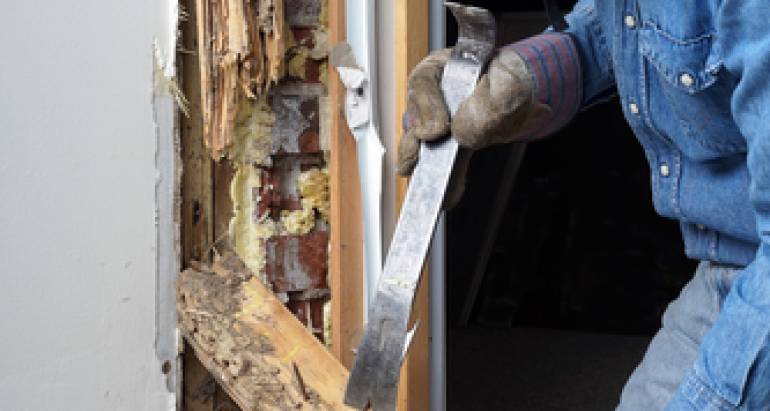
Professional Termite Control plays a vital role in protecting buildings from long-term structural damage. Termites consume wood and other cellulose materials found in framing, flooring, support beams, furniture, and insulation. As colonies grow, they can weaken structural components that are essential to the integrity of a building.
Because termites often remain hidden inside walls or beneath foundations, infestations can continue for months or even years without obvious signs. Routine inspections and preventive treatments help identify termite activity early, reducing the likelihood of extensive structural repairs.
Maintaining an effective termite management program provides peace of mind while protecting one of the largest investments many property owners make.
Common Types of Termites
Understanding the different species is an important part of termite control in Riverside. Subterranean termites are the most common type and typically build underground colonies while entering buildings through mud tubes that provide moisture and protection.
Drywood termites live directly inside dry wooden structures without requiring soil contact. They commonly infest wooden framing, furniture, and structural lumber.
Dampwood termites are attracted to wood with excessive moisture and are more likely to infest areas affected by water damage or poor drainage. Identifying the termite species helps determine the most effective treatment strategy.
Signs of a Termite Infestation
Recognizing the early warning signs can help schedule Termite Control before significant damage occurs. One of the most common indicators is the appearance of mud tubes along foundations, walls, or crawl spaces, which subterranean termites use for travel and protection.
Other warning signs include hollow-sounding wood, blistering paint, sagging floors, difficult-to-open doors or windows, and visible damage to wooden structures. Swarms of winged termites or discarded wings near windows, doors, or light sources often indicate that a colony is nearby.
Small piles of termite droppings may also appear near drywood termite activity. Any of these signs should prompt a professional inspection as soon as possible.
The Termite Inspection Process
Effective Termite Control begins with a comprehensive inspection of the property. Technicians carefully examine interior and exterior areas for visible signs of termite activity, structural damage, moisture problems, and potential entry points.
Foundations, crawl spaces, attics, wooden framing, basements, decks, fences, and landscaping features are often inspected because termites frequently enter through concealed areas. Moisture meters and specialized detection equipment may also be used when hidden termite activity is suspected.
A detailed inspection helps determine the extent of the infestation while identifying conditions that increase the risk of future termite problems.
Common Termite Control Methods
Professional Termite Control involves several treatment methods depending on the type and severity of the infestation. Liquid barrier treatments create protective zones around foundations to prevent subterranean termites from entering the structure.
Baiting systems are another common solution, using strategically placed bait stations that termites carry back to the colony, helping reduce termite populations over time. Localized wood treatments may be applied directly to infested areas to eliminate termite activity within structural components.
In some situations, additional moisture control measures, wood treatments, or structural repairs may also be recommended to reduce conditions that attract termites.
Preventing Future Termite Problems
Preventive maintenance is one of the most valuable aspects of Termite Control. Reducing excess moisture around the property helps create conditions that are less attractive to termites. Repairing leaking pipes, improving drainage, and maintaining proper ventilation in crawl spaces are all important preventive measures.
Keeping firewood, lumber, and mulch away from the building foundation also reduces opportunities for termite activity. Sealing foundation cracks and minimizing wood-to-soil contact further helps prevent termite entry.
Regular inspections allow technicians to identify early signs of termite activity before colonies become well established.
Maintaining Long-Term Termite Protection
After receiving pest control in Riverside, continued monitoring helps maintain lasting protection. Property owners should schedule routine inspections, especially in areas where termite activity is common.
Inspecting wooden structures periodically for mud tubes, damaged wood, moisture problems, or discarded wings helps identify potential issues early. Landscaping should also be maintained to reduce excessive vegetation and moisture accumulation near the foundation.
Combining preventive maintenance with ongoing inspections helps protect the property year after year.
Long-Term Benefits of Professional Termite Control
Routine Termite Control provides significant long-term advantages beyond eliminating active infestations. Professional treatments help preserve structural integrity, reduce repair expenses, and protect valuable building materials from hidden damage.
Preventive termite management also contributes to maintaining property value by reducing the risk of extensive structural deterioration. Regular inspections provide confidence that termite activity will be detected before serious problems develop.
Investing in ongoing termite protection supports the long-term safety, durability, and condition of both residential and commercial properties.
Conclusion
vTermite Control is an essential service for protecting buildings from one of the most destructive wood-damaging pests. Through detailed inspections, targeted treatment methods, preventive maintenance, and routine monitoring, professional termite control helps eliminate existing infestations while reducing the risk of future damage. By recognizing early warning signs and maintaining regular inspections, property owners can protect their investment, preserve structural integrity, and enjoy greater peace of mind for years to come.