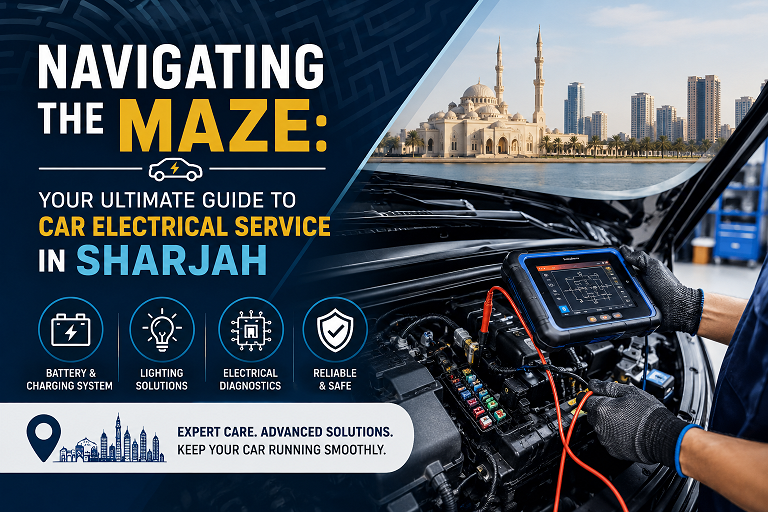
Imagine your vehicle as a living organism. The engine is its heart, the transmission its muscles, and the electrical system is its nervous system. This intricate network of wiring, sensors, computers, and electronic components controls virtually every function of your modern car, from starting the engine to deploying airbags in an emergency. When this nervous system experiences issues, the entire vehicle suffers. This comprehensive guide explores everything you need to know about car electrical service in Sharjah, helping you understand why professional electrical diagnostics and maintenance are essential for every vehicle owner.
Understanding Your Vehicle’s Electrical System
The modern automobile contains more computing power than the spacecraft that landed on the moon. Your vehicle’s electrical system comprises dozens of electronic control units, kilometers of wiring, hundreds of sensors, and sophisticated software that manages everything from fuel injection to entertainment systems. This complexity makes professional electrical diagnostics not just helpful but absolutely necessary.
The battery serves as the heart of the electrical system, storing energy to start the engine and power all electronic components when the engine isn’t running. The alternator acts as the generator, producing electricity to recharge the battery and power the vehicle’s electrical systems while the engine operates. The starter motor draws substantial current from the battery to crank the engine into life. These three components work together in perfect harmony, and when one fails, the entire system can collapse.
The wiring harness connects every electrical component throughout the vehicle, transmitting power and data between systems. Modern vehicles use sophisticated network protocols, with components communicating through controller area networks that allow different systems to share information. For instance, the engine control unit receives data from oxygen sensors, throttle position sensors, and numerous other inputs to precisely control fuel delivery and ignition timing for optimal performance and efficiency.
Why Sharjah’s Climate Demands Professional Electrical Care
Sharjah’s environment presents unique challenges for vehicle electrical systems. The extreme summer temperatures that regularly exceed 45 degrees Celsius create harsh conditions that accelerate component degradation. Battery life is significantly shortened in high heat, as elevated temperatures increase the rate of chemical reactions inside the battery, causing faster water evaporation and plate corrosion. Many motorists discover their battery has failed only when they attempt to start their car on a sweltering afternoon.
The intense UV radiation and heat also affect wiring insulation, causing it to become brittle and crack over time. Damaged insulation can lead to short circuits, intermittent electrical problems, and in worst cases, electrical fires. Dust and sand particles can infiltrate electrical connections, creating resistance and causing intermittent faults that are notoriously difficult to diagnose without proper equipment.
The humid coastal conditions in Sharjah contribute to corrosion of electrical terminals and connectors. Corrosion increases electrical resistance, leading to voltage drops that affect component performance. When sensors don’t receive the correct voltage, they can send inaccurate data to the vehicle’s computers, causing drivability issues that may seem unrelated to electrical problems.
Advanced Diagnostics: The Key to Accurate Repairs
Professional automotive electrical diagnostics have evolved dramatically from the days when mechanics used test lights and basic multimeters. Today’s diagnostic specialists employ sophisticated equipment that can communicate with every electronic control unit in your vehicle, reading live data streams, performing component tests, and identifying issues with remarkable precision.
When you bring your vehicle for electrical diagnostics, technicians connect specialized scan tools to the onboard diagnostics port. These tools read diagnostic trouble codes stored by the vehicle’s computers when they detect malfunctions. However, the skill lies in interpreting these codes correctly. A single code may have multiple possible causes, and experienced technicians know how to perform additional tests to pinpoint the exact source of the problem.
Live data monitoring allows technicians to observe sensor readings and system performance in real time. This capability is invaluable for diagnosing intermittent problems that may not trigger fault codes. By watching data streams while replicating the conditions that cause the problem, technicians can identify faulty sensors, wiring issues, or software glitches.
Common Electrical Problems in Sharjah Vehicles
Understanding the warning signs of electrical trouble can help you seek professional help before minor issues become major repairs. Many electrical problems begin subtly, manifesting as intermittent glitches that are easy to dismiss but often indicate developing issues.
Dimming or flickering headlights when the engine idles may indicate a failing alternator. The alternator must maintain proper voltage output to keep the battery charged and power all electrical systems. A weak alternator struggles to meet these demands, causing lights to dim and electronic components to malfunction. Professional alternator testing measures voltage output, current capacity, and charging system performance to determine whether repair or replacement is necessary.
Dashboard warning lights serve as your vehicle’s communication system, alerting you to potential problems. The check engine light, battery light, and ABS warning light are among the most common indicators. Ignoring these warnings often leads to more severe damage and expensive repairs. Professional diagnostics can read the fault codes stored in the vehicle’s computer, identifying the source of the problem quickly and accurately.
Slow cranking when starting the engine typically indicates a weak battery or failing starter motor. While a dead battery is often the culprit, underlying issues like a faulty alternator that fails to maintain proper charge can also cause starting problems. Professional technicians can test both components to identify the root cause and recommend appropriate repairs.
Intermittent electrical issues are among the most frustrating problems to diagnose. A component may work perfectly during a test drive but fail on the road. These problems often result from loose connections, corroded terminals, or damaged wiring. Experienced technicians use circuit testers and multimeters to trace circuits and identify intermittent faults, a process requiring patience and expertise.
Electronic features such as parking sensors, cameras, and infotainment systems rely on stable power and data connections. Malfunctions in these systems may indicate low battery voltage, software issues, or failing components. Many modern vehicles require software updates to address such problems, a service that specialized repair centers provide.
Essential Electrical Services for Vehicle Longevity
Regular maintenance of your vehicle’s electrical system extends its lifespan and improves reliability. Understanding which services should be part of your maintenance schedule helps you make informed decisions about vehicle care.
Battery testing and maintenance should be performed at least twice annually, especially before the summer season. Professional battery testing goes beyond voltage checks, measuring the battery’s ability to hold charge under load. This testing helps you determine when a battery needs replacement before it fails unexpectedly. Battery terminal cleaning and connection tightening ensure optimal electrical flow.
Alternator and starter testing ensures these critical components operate within specifications. Comprehensive testing measures voltage output, current draw, and charging system performance, identifying issues like a failing voltage regulator or worn starter motor brushes before they cause breakdowns. Regular testing can prevent being stranded with a vehicle that won’t start.
Wiring inspection looks for signs of heat damage, corrosion, or wear that could lead to failures. Wiring problems may not cause immediate symptoms but can become dangerous as insulation deteriorates or connections loosen. Regular inspection of high-current circuits and ground connections prevents electrical fires and component failures. Professional technicians know where to look for common problem areas in different vehicle makes and models.
Software updates address bugs, improve performance, and occasionally add new features to your vehicle. Many modern vehicles require periodic updates to engine control modules, transmission control units, and infotainment systems. Professional workshops with the latest diagnostic tools can perform these updates quickly and safely. Software updates can resolve drivability issues, improve fuel economy, and enhance system functionality.
Sensor diagnostics ensure all the vehicle’s sensory systems are functioning correctly. This includes testing oxygen sensors for proper fuel mixture feedback, wheel speed sensors for ABS operation, and various other sensors that affect drivability and safety. Malfunctioning sensors can cause drivability issues and warning lights, affecting both performance and safety. Sensor cleaning or replacement may be necessary to restore proper function.
Lighting and electrical accessory diagnostics check that headlights, taillights, wipers, power windows, and other electrical features operate correctly. Electrical issues affecting these systems can compromise safety and comfort. Dim lighting, slow window operation, or malfunctioning wipers may indicate electrical problems requiring attention.
The Importance of Professional Service
Choosing the right service provider for your vehicle’s electrical needs makes the difference between a proper repair and ongoing problems. With many garages in Sharjah offering electrical services, knowing what to look for is essential.
A professional electrical service provider must have the latest diagnostic equipment for various vehicle makes and models. Access to manufacturer-specific diagnostic tools is particularly important for European and luxury vehicles, which may require proprietary software for accurate diagnosis and programming. Generic scan tools may not access all vehicle systems or provide the detailed information needed for proper diagnosis.
Technician certification and continuous training are essential indicators of quality. The rapid evolution of automotive technology means that technicians must constantly update their skills to work effectively on modern vehicles. Workshops that invest in ongoing training for their staff demonstrate commitment to quality service. Certified technicians have demonstrated knowledge and skills through rigorous testing.
Workshop reputation speaks volumes about service quality. Established garages with a track record of customer satisfaction typically have the experience to diagnose and repair even complex electrical issues. Online reviews and word-of-mouth recommendations provide valuable insights into service quality. Look for workshops that specialize in electrical diagnostics rather than general repair.
Transparency in pricing and communication is another important factor. Reputable workshops provide clear explanations of necessary repairs and upfront estimates before beginning work. They also stand behind their work with warranties, providing peace of mind. Professional service providers will explain the diagnosis in understandable terms and discuss repair options.
Digital vehicle health reports represent the gold standard in modern automotive service. These reports use technology to translate complex vehicle data into visual, understandable information. When a technician shows you high-resolution images of worn parts or explains your engine’s performance through clear graphics, it demystifies the repair process and builds trust.
When to Seek Professional Electrical Service
Certain signs indicate it is time to visit a professional auto electrical shop. Acting promptly when these symptoms appear often prevents more extensive and expensive repairs.
If your vehicle cranks slowly when starting, especially when the engine is cold, have the battery and charging system checked. What seems like a simple battery issue could be an alternator problem or a parasitic drain that gradually depletes the battery. Slow cranking may also indicate starter motor problems that require attention.
Burning smells or unusual odors from under the hood demand immediate attention. This could indicate an electrical short or a failing component that is overheating and potentially dangerous. Do not continue driving if you detect burning odors; have the vehicle towed to a repair facility. Electrical fires are a real risk with compromised wiring.
Dashboard warning lights that remain illuminated after engine start-up require diagnosis. Modern vehicles have extensive self-monitoring capabilities, and these lights provide the first warning of potential problems. Scanning for fault codes at the earliest opportunity helps prevent minor issues from escalating into major repairs. Some warning lights, such as the check engine light, may indicate emissions problems that affect vehicle performance.
Intermittent electrical problems that appear and disappear challenge even experienced technicians. Professional diagnostic equipment can often capture the conditions that trigger these faults, helping identify the source. Thorough diagnostics are the key to resolving intermittent faults permanently. Don’t assume the problem has fixed itself just because it’s not currently occurring.
Electronic features that stop functioning correctly may indicate a software issue or failing hardware. Problems with infotainment systems, climate control, or driver assistance features should be checked rather than ignored. These systems often use complex networks, and failure in one component can affect other functions. Professional diagnostics can determine whether the issue is software-related or hardware-related.
The Future of Car Electrical Service
The automotive industry continues to evolve rapidly, with electrification, automation, and connectivity driving significant changes. These trends are reshaping car electrical service requirements.
Hybrid and electric vehicles are becoming increasingly prevalent on Sharjah’s roads. Servicing these vehicles requires specialized safety training and tools. High-voltage systems pose significant safety risks for untrained technicians, making professional service essential. EV diagnostics and battery health checks are specialized services requiring specific expertise and equipment.
Connected vehicles generate vast amounts of data that can be used for predictive maintenance. Advanced diagnostic tools can now detect developing problems before they cause failures, allowing proactive maintenance that minimizes downtime. This shift from reactive to predictive maintenance represents a significant advancement in automotive service, helping vehicle owners avoid unexpected breakdowns.
As vehicle software becomes more complex, software updates and calibration will be an essential part of regular maintenance. Workshops equipped with the latest diagnostic tools and manufacturer software will be best positioned to serve this emerging need. The ability to perform software updates and programming is increasingly important for maintaining vehicle performance and safety.
The integration of artificial intelligence in diagnostics is beginning to assist technicians in identifying issues more quickly and accurately. While AI will not replace skilled technicians, it will augment their capabilities, allowing faster and more accurate diagnoses. AI-powered diagnostic tools can analyze vast amounts of data and identify patterns that human technicians might miss.
Conclusion
Your vehicle’s electrical system is its lifeline, controlling essential functions that affect performance, safety, and comfort. In Sharjah’s challenging environment, regular electrical service and professional diagnostics are essential to keep your vehicle operating reliably. Understanding the components and warning signs helps you make informed decisions about maintenance and repairs. When electrical issues arise, choosing a qualified service provider equipped with modern diagnostic tools and staffed by trained technicians ensures proper diagnosis and lasting repairs.
Preventive maintenance of your vehicle’s electrical system, including regular battery checks, alternator testing, and wiring inspections, prevents sudden breakdowns and extends component life. While the complexity of modern vehicles continues to increase, reliable electrical service from professional workshops keeps you on the road safely and reliably.
Frequently Asked Questions
1. How often should I have my car’s electrical system inspected?
Experts recommend having your car’s electrical system inspected at least twice a year, ideally before the summer and winter seasons. In Sharjah’s harsh climate, batteries and electrical components face significant stress, making regular checks particularly important. Professional battery testing, alternator diagnostics, and general electrical inspection help catch issues early before they escalate into major repairs. Many service providers recommend additional inspections if you notice any unusual symptoms.
2. What happens during a car computer diagnostic scan?
A car computer diagnostic scan involves connecting specialized diagnostic tools to your vehicle’s OBD port to read fault codes from various electronic control units. This process checks the engine management system, transmission, ABS, airbags, and other modules. Professional technicians then analyze these codes, perform further testing as needed, and provide a detailed report explaining any identified issues. Live data monitoring may be used to observe system performance in real time.
3. How does Sharjah’s heat affect my car battery?
Sharjah’s extreme heat significantly accelerates battery degradation. High temperatures increase chemical reactions inside the battery, causing faster water evaporation and plate corrosion. This leads to shortened battery lifespan compared to cooler climates. The intense heat can also cause battery terminals to corrode more quickly. Regular battery testing and timely replacement become essential to prevent sudden failure, especially during the hottest months of the year.
4. Can a weak battery cause my car’s electronic systems to malfunction?
Yes, a weak battery can cause numerous electronic problems in modern vehicles. When battery voltage drops, the vehicle’s electronic control units may not receive adequate power to function properly. This can cause warning lights, transmission shifting issues, sensor malfunctions, and problems with infotainment systems. Some components may stop working entirely when voltage drops below certain thresholds. Professional battery testing can determine if low voltage is causing your electrical issues.
5. What should I do if my car won’t start and I suspect an electrical problem?
If your car won’t start and you suspect an electrical problem, first check for obvious issues like headlights being left on or other accessories draining the battery. If the engine cranks slowly or not at all, the battery may be dead. Try jump-starting the vehicle following proper safety procedures. If the jump start works, drive to a professional service provider to have your battery and charging system tested. If the vehicle won’t jump start or there are burning smells, do not attempt further starts; have the vehicle towed to a repair facility to prevent damage or safety hazards.