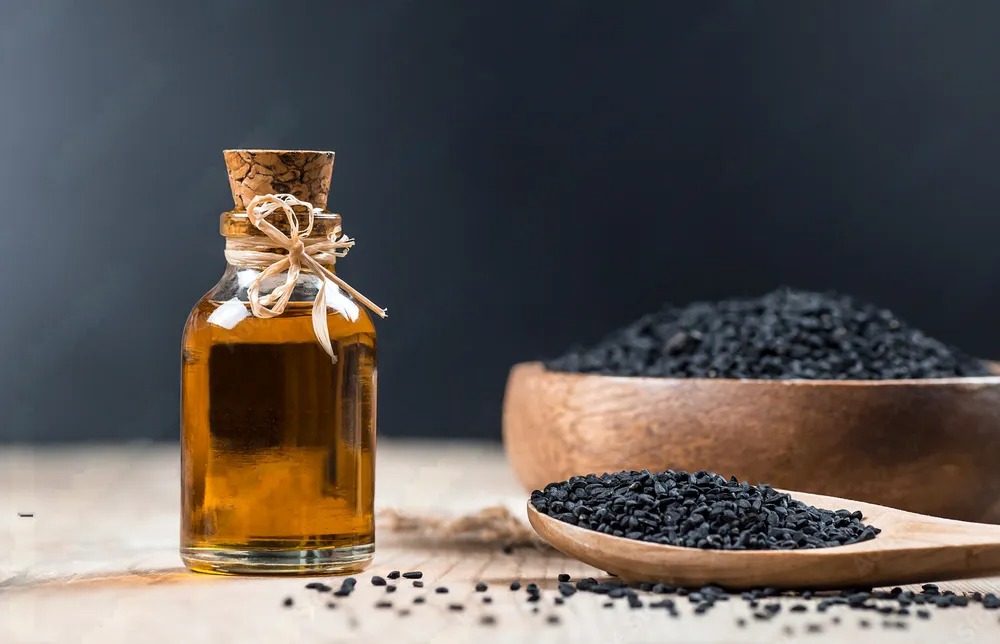
Black seed oil, extracted from the seeds of Nigella sativa, has been used for centuries in traditional wellness practices across the Middle East, South Asia, and North Africa. Today, it has moved far beyond folk remedies and into mainstream cosmetics, nutraceuticals, pharmaceuticals, and food industries. As global demand rises, businesses across these sectors are increasingly on the lookout for reliable black seed oil suppliers who can deliver consistent quality, purity, and volume. This growing demand has also pushed suppliers to refine their extraction methods, quality testing, and packaging standards to meet international compliance requirements.
Whether you are a formulator, distributor, or manufacturer, understanding how black seed oil is produced, what benefits it offers, and which industries rely on it can help you make smarter sourcing decisions.
What Is Black Seed Oil and How Is It Made?
Black seed oil is derived from the tiny black seeds of the Nigella sativa plant, often referred to as black cumin or kalonji. The oil is prized for its high concentration of thymoquinone, a compound linked to numerous therapeutic properties, along with essential fatty acids, antioxidants, and trace minerals.
The Extraction Process
Most reputable suppliers use one of the following extraction methods:
- Cold-Pressing – Seeds are mechanically pressed at low temperatures without the use of heat or chemicals. This method preserves the oil’s natural nutrients, aroma, and potency, making it the preferred choice for cosmetic and therapeutic applications.
- Solvent Extraction – Used primarily for large-scale industrial production, this method yields higher quantities but may reduce some of the oil’s natural bioactive compounds.
- Steam Distillation – Less common for black seed oil suppliers but occasionally used to isolate specific volatile compounds for niche applications.
After extraction, the oil typically undergoes filtration, quality testing, and sometimes cold storage to preserve its shelf life and potency before it is packaged for distribution.
Key Benefits Driving Demand
The rising popularity of black seed oil manufacturers among manufacturers and formulators stems from its wide-ranging benefits:
- Skin and Hair Care – Rich in linoleic acid and antioxidants, the oil is used in serums, creams, and hair treatments for its moisturizing and nourishing properties.
- Immune Support – Thymoquinone and other bioactive compounds are widely studied for their potential immune-modulating effects, making the oil popular in supplement formulations.
- Anti-Inflammatory Properties – Many topical and oral products incorporate black seed oil for its soothing, anti-inflammatory characteristics.
- Digestive Wellness – Traditionally used to support gut health, black seed oil is often included in digestive supplement blends.
- Antioxidant Content – The oil’s antioxidant profile makes it valuable in formulations aimed at combating oxidative stress.
These benefits have made black seed oil a sought-after raw material across several industries, not just standalone wellness products.
Industries That Rely on Black Seed Oil Suppliers
1. Cosmetics and Personal Care
Skincare and haircare brands use black seed oil as a key ingredient in facial oils, moisturizers, shampoos, and anti-aging formulations due to its lightweight texture and nutrient density.
2. Nutraceuticals and Dietary Supplements
Capsule and softgel manufacturers source bulk black seed oil for immune-support and general wellness supplements, often blending it with other functional oils.
3. Pharmaceutical Research and Development
Research institutions and pharmaceutical companies studying thymoquinone’s therapeutic potential require high-purity, standardized black seed oil for clinical and experimental use.
4. Food and Beverage
In some regions, black seed oil is used as a functional food ingredient, added to dressings, health drinks, and specialty culinary products for its flavor and nutritional profile.
5. Aromatherapy and Wellness Spas
Spas and aromatherapy practitioners use black seed oil wholesale in massage blends and therapeutic treatments, valuing its traditional association with relaxation and skin nourishment.
What to Look for in a Black Seed Oil Supplier
When evaluating suppliers, businesses should consider several critical factors to ensure product quality and supply chain reliability:
- Extraction Method – Cold-pressed oil generally retains more nutritional value than solvent-extracted alternatives.
- Purity and Testing – Look for suppliers who provide certificates of analysis (COA), third-party lab testing, and transparency about thymoquinone content.
- Sourcing Practices – Suppliers who work directly with farmers or trusted agricultural partners often provide better traceability and consistency.
- Certifications – Food-grade or cosmetic-grade certifications can be important depending on your end-use application.
- Scalability – Ensure the supplier can meet your volume requirements, whether you need small trial batches or bulk industrial quantities.
- Packaging and Storage – Since black seed oil is sensitive to light and heat, proper packaging (dark glass or food-grade containers) and storage conditions matter for shelf stability.
Companies such as Hetaksh Essential Oils are among those working to meet these evolving quality and sourcing expectations within the natural oils supply chain.
Final Thoughts
The demand for black seed oil distributors is being driven by its versatility across cosmetics, supplements, pharmaceuticals, and food industries. As more manufacturers recognize its therapeutic and functional value, the importance of partnering with dependable, quality-focused suppliers continues to grow. Businesses that prioritize extraction methods, purity testing, and transparent sourcing practices when selecting a supplier are better positioned to deliver consistent, high-quality end products to their customers.
Frequently Asked Questions (FAQ)
1. What is black seed oil used for? Black seed oil is used across multiple industries including cosmetics, dietary supplements, pharmaceuticals, and food products, primarily for its antioxidant, anti-inflammatory, and skin-nourishing properties.
2. How is black seed oil extracted? It is most commonly extracted through cold-pressing, which preserves nutrients without heat or chemicals. Solvent extraction and steam distillation are also used depending on the intended application and scale.
3. What industries buy black seed oil in bulk? Cosmetics and personal care, nutraceuticals, pharmaceutical research, food and beverage, and aromatherapy/spa industries are the largest buyers of bulk black seed oil.
4. What should I check before choosing a supplier? Verify the extraction method, request certificates of analysis, check for relevant certifications (non-GMO, food or cosmetic grade), and assess the supplier’s ability to scale to your required volume.
5. Is cold-pressed black seed oil better than solvent-extracted oil? Cold-pressed oil generally retains more of its natural nutrients and bioactive compounds, making it preferable for cosmetic and therapeutic uses, while solvent extraction is often chosen for higher-volume industrial needs.
6. Why is thymoquinone important in black seed oil? Thymoquinone is the primary bioactive compound responsible for many of the oil’s reported anti-inflammatory and antioxidant benefits, and its concentration is often used as a quality indicator.
7. Can black seed oil be used in food products? Yes, in certain regions it is used as a functional ingredient in dressings, beverages, and specialty foods, provided it meets food-grade quality standards.
8. How should black seed oil be stored? It should be stored in dark, airtight containers away from heat and light to preserve its potency and extend shelf life.