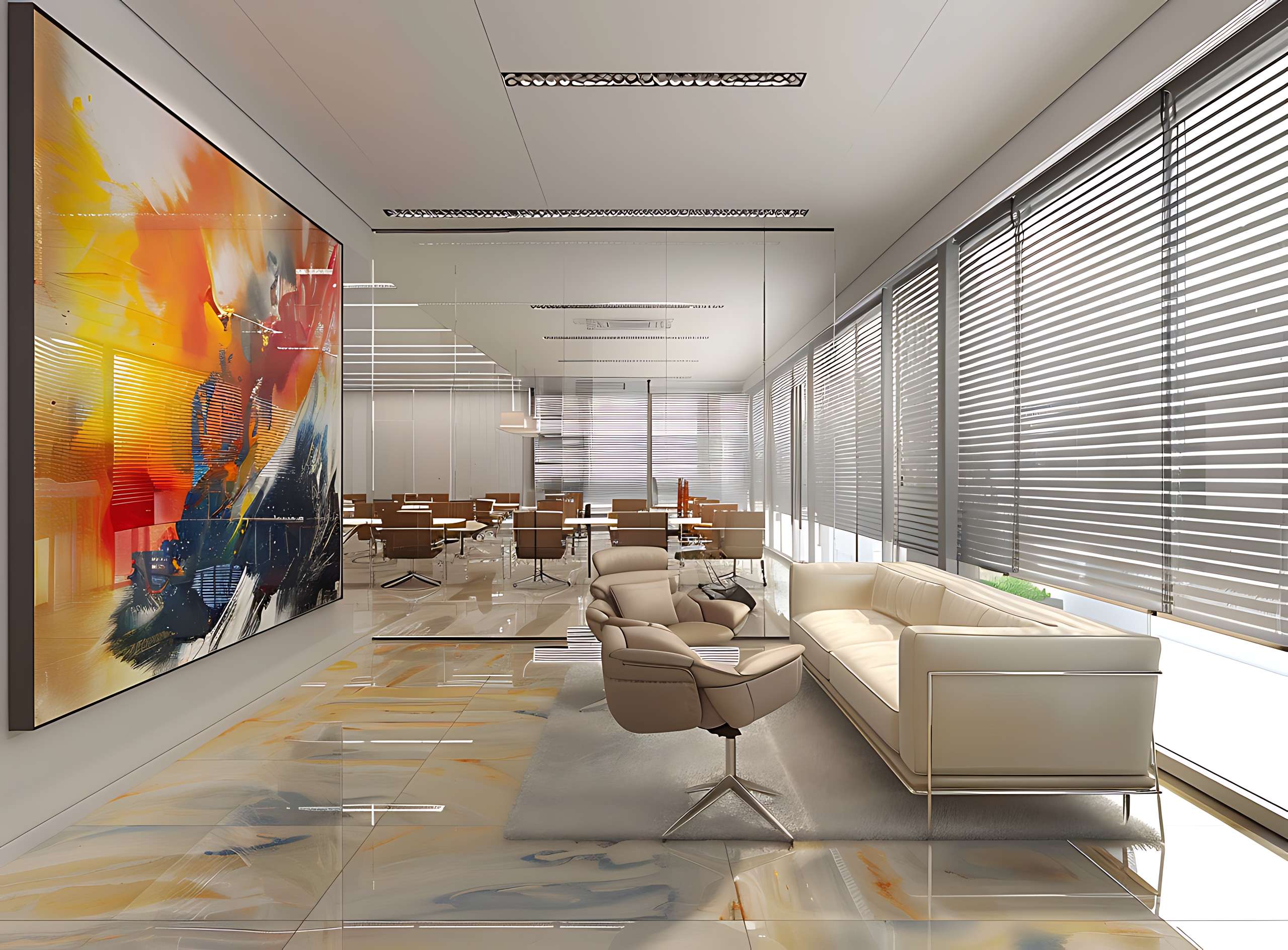
Modern workplaces are no longer just spaces where employees complete daily tasks. They have evolved into environments that influence productivity, employee satisfaction, brand image, and business growth. As organizations continue to prioritize functional and attractive workspaces, the demand for office interior design companies in abu dhabi has grown significantly. Businesses also seek design expertise that extends beyond commercial spaces, making concepts such as abu dhabi villa design increasingly relevant for creating personalized and sophisticated interiors.
Selecting the right design partner can make a major difference in the outcome of your office project. From planning and space optimization to material selection and project execution, every aspect contributes to the success of the final design. This guide explores the key factors you should consider when choosing a professional office interior design company in Abu Dhabi.
Understanding the Importance of Office Interior Design
Office interior design goes beyond aesthetics. A well-designed workspace supports business operations, encourages collaboration, and creates a positive impression on clients and visitors.
The right design can:
- Improve employee productivity
- Enhance workplace comfort
- Strengthen brand identity
- Optimize available space
- Increase employee retention
- Support organizational culture
When selecting a design company, it is important to look for professionals who understand both the visual and functional aspects of workplace design.
Evaluate Their Industry Experience
Why Experience Matters
One of the first factors to consider is the company’s experience in office interior design projects. Experienced designers understand workplace trends, local regulations, and the unique requirements of different industries.
A company with years of experience can:
- Anticipate project challenges
- Offer practical solutions
- Manage timelines effectively
- Coordinate with contractors efficiently
Review their portfolio carefully to determine whether they have completed projects similar to your office requirements.
Industry-Specific Expertise
Different businesses have different workspace needs.
For example:
- Corporate offices require professional layouts and meeting spaces.
- Technology companies often prioritize collaborative environments.
- Healthcare offices focus on compliance and functionality.
- Creative agencies may seek innovative and flexible workspaces.
Choose a company that understands the demands of your specific industry.
Review Their Portfolio
Examine Previous Projects
A portfolio offers valuable insight into a company’s design style, creativity, and capabilities.
When reviewing portfolios, consider:
- Design diversity
- Space planning skills
- Material choices
- Attention to detail
- Overall project quality
Look for consistency in execution and professional presentation.
Assess Design Flexibility
The best interior designers adapt their approach to suit each client’s goals rather than applying a one-size-fits-all solution.
A versatile portfolio demonstrates the ability to create:
- Modern office spaces
- Traditional executive offices
- Open-plan work environments
- Hybrid workspaces
- Collaborative meeting areas
Flexibility indicates strong design capabilities and customer-focused solutions.
Consider Their Design Process
Initial Consultation
A professional company should begin with a thorough consultation to understand:
- Business objectives
- Brand identity
- Employee requirements
- Budget expectations
- Space limitations
The consultation phase lays the foundation for a successful project.
Concept Development
After gathering information, designers should present concepts that align with your goals.
The concept stage may include:
- Layout plans
- Mood boards
- Material samples
- Color schemes
- Furniture recommendations
This step ensures all stakeholders share a clear vision before implementation begins.
Project Execution
The company should provide a structured implementation plan with clearly defined milestones and timelines.
A transparent process minimizes confusion and keeps the project on track.
Assess Space Planning Expertise
Maximizing Office Efficiency
Effective space planning is one of the most important elements of office design.
A skilled designer will optimize every square meter by considering:
- Employee workflow
- Department interactions
- Storage requirements
- Meeting room placement
- Circulation pathways
Poor space planning can lead to inefficiencies and employee dissatisfaction.
Balancing Privacy and Collaboration
Modern offices require a balance between focused work areas and collaborative spaces.
Designers should incorporate:
- Private workstations
- Open collaboration zones
- Conference rooms
- Breakout spaces
- Quiet areas
A balanced approach improves productivity and workplace satisfaction.
Check Knowledge of Local Regulations
Compliance Requirements
Office design projects in Abu Dhabi must comply with local building codes and regulations.
Professional interior design firms should understand:
- Safety standards
- Fire regulations
- Accessibility requirements
- Municipality approvals
- Building management guidelines
Choosing a company familiar with local regulations can help avoid costly delays.
Permit Management
Experienced firms often assist with obtaining necessary approvals and permits.
This support simplifies the process and ensures compliance throughout the project.
Evaluate Communication Skills
Importance of Clear Communication
Effective communication is essential for successful project management.
A reliable design company should:
- Respond promptly to inquiries
- Provide regular project updates
- Explain design decisions clearly
- Address concerns professionally
Strong communication helps prevent misunderstandings and ensures expectations are met.
Collaboration Approach
Interior design projects involve multiple stakeholders, including:
- Business owners
- Managers
- Employees
- Contractors
- Suppliers
Choose a company that values collaboration and welcomes client feedback.
Examine Material and Furniture Selection
Quality Matters
High-quality materials contribute to the durability and appearance of office interiors.
Ask about:
- Flooring options
- Wall finishes
- Furniture quality
- Lighting systems
- Acoustic solutions
Premium materials often provide better long-term value despite higher initial costs.
Sustainability Considerations
Many organizations now prioritize environmentally responsible design solutions.
Look for firms that offer:
- Sustainable materials
- Energy-efficient lighting
- Eco-friendly finishes
- Recyclable furnishings
Sustainable practices can reduce environmental impact and operating costs.
Technology Integration Capabilities
Modern Workplace Requirements
Today’s offices depend heavily on technology.
Designers should understand how to integrate:
- Smart meeting rooms
- Video conferencing systems
- Cable management solutions
- Digital displays
- Wireless connectivity infrastructure
Technology integration should enhance functionality without compromising aesthetics.
Future-Proof Design
Business needs evolve over time.
A forward-thinking design company creates adaptable spaces that can accommodate future growth and technological advancements.
Understand Their Project Management Approach
Timeline Management
Delays can disrupt business operations and increase project costs.
Ask potential design firms about:
- Project schedules
- Milestone tracking
- Risk management strategies
- Contingency planning
A structured project management process helps ensure timely completion.
Budget Control
Financial transparency is equally important.
A reputable company should provide:
- Detailed cost estimates
- Clear pricing structures
- Change order procedures
- Budget monitoring reports
Transparent budgeting reduces the risk of unexpected expenses.
Consider Customization Capabilities
Reflecting Your Brand Identity
Every office should reflect the organization’s values and culture.
Customization may include:
- Brand colors
- Custom furniture
- Unique design features
- Corporate artwork
- Branded reception areas
The workspace should reinforce your company’s identity while supporting daily operations.
Personalized Solutions
The best designers avoid generic solutions and tailor designs to meet specific business objectives.
Customization creates a unique and memorable workplace experience.
Look for Strong Client Testimonials
Customer Feedback
Client testimonials provide insight into a company’s professionalism and reliability.
Pay attention to comments regarding:
- Design quality
- Communication
- Timeliness
- Budget management
- Problem-solving abilities
Positive feedback from previous clients is often a strong indicator of future performance.
Case Studies
Detailed case studies offer a deeper understanding of how a company approaches challenges and delivers results.
Look for examples that demonstrate measurable improvements in workplace functionality and aesthetics.
Compare Design Styles
Finding the Right Match
Every design company has its own style and creative approach.
Some specialize in:
- Contemporary design
- Minimalist interiors
- Luxury office environments
- Industrial aesthetics
- Corporate elegance
Choose a firm whose design philosophy aligns with your vision.
Adaptability Is Essential
While style compatibility is important, adaptability matters just as much.
A strong design team should be capable of creating a customized environment rather than forcing a signature style onto every project.
Assess Their Understanding of Employee Well-Being
Human-Centered Design
Modern workplace design increasingly focuses on employee wellness.
Designers should consider:
- Ergonomic furniture
- Natural lighting
- Indoor air quality
- Acoustic comfort
- Relaxation areas
Employee well-being directly impacts productivity and job satisfaction.
Creating Positive Work Environments
Thoughtfully designed offices encourage collaboration, creativity, and engagement.
A company that prioritizes human-centered design can help create a workplace where employees thrive.
Experience Beyond Commercial Projects
Interestingly, many designers who excel in commercial spaces also bring valuable expertise from residential projects such as abu dhabi villa design. Residential design often emphasizes comfort, personalization, and lifestyle enhancement, which can inspire innovative workplace solutions.
Similarly, businesses seeking premium workspace transformations often turn to office interior design companies in abu dhabi that understand how to blend luxury, functionality, and user experience into a cohesive environment.
The crossover between commercial and residential design principles can lead to more inviting and productive office spaces.
Importance of Long-Term Support
Post-Project Services
The relationship with your design company should not end once construction is complete.
Many firms offer:
- Maintenance guidance
- Furniture adjustments
- Future renovations
- Warranty support
Long-term support helps protect your investment and maintain workspace quality.
Future Expansion Planning
As organizations grow, office requirements often change.
A design company that understands long-term planning can create flexible environments capable of accommodating future expansion.
Final Thoughts
Choosing the right office interior design companies in abu dhabi requires careful evaluation of experience, portfolio quality, project management capabilities, communication skills, and design expertise. A successful office interior project is not simply about creating an attractive space—it is about developing an environment that supports business objectives, enhances employee well-being, and reflects organizational identity.
Additionally, firms with expertise in abu dhabi villa design often bring valuable insights into comfort, functionality, and personalization that can elevate workplace interiors. By thoroughly assessing potential design partners and focusing on long-term value rather than short-term costs, businesses can create workspaces that inspire productivity, innovation, and success for years to come.