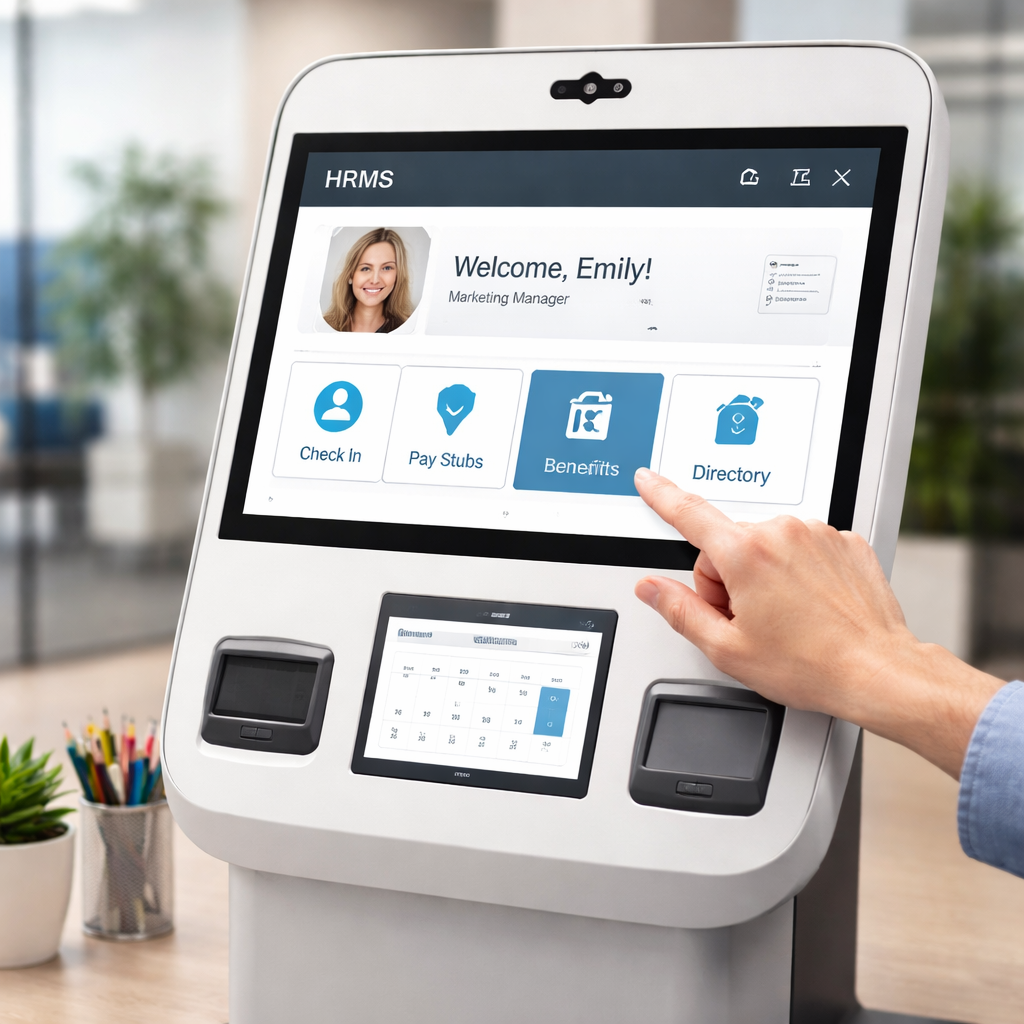
Managing people used to mean spreadsheets, paper files, and a lot of manual follow-up. That approach doesn’t hold up anymore, especially as companies scale and compliance requirements grow more complex.
Across the UAE, and increasingly on the radar of Australian businesses and media watching global HR trends, a quieter transformation is underway. Companies are replacing outdated processes with integrated digital systems built to handle the full employee lifecycle.
The Shift Toward Digital HR Infrastructure
Human resource departments have historically been reactive, chasing paperwork rather than driving strategy. That’s changing fast.
HRMS Dubai companies are adopting reflects a broader regional push toward automation and data-driven decision-making. As labor laws tighten and workforce expectations shift, manual systems simply can’t keep pace.
Why the Region Leads on Adoption
The UAE’s business environment rewards efficiency. With a highly diverse, multinational workforce and strict regulatory frameworks around wages, visas, and end-of-service benefits, companies need systems that reduce human error and ensure compliance.
For international observers, including Australian firms evaluating similar workforce technology, this makes the market a valuable reference point.
Core Benefits of a Modern HR System
The appeal isn’t just convenience. The operational impact is significant and measurable.
- Centralized employee data — one system instead of scattered files and spreadsheets
- Automated payroll processing — fewer errors, faster payment cycles
- Compliance tracking — built-in alerts for visa renewals, contract expirations, and labor law updates
- Self-service portals — employees manage leave requests and documents independently
- Performance analytics — real-time insight into productivity and engagement trends
Together, these features explain why HRMS Dubai organizations implement tend to report smoother operations within months of rollout.
Where These Systems Make the Biggest Difference
Payroll and Compliance
Payroll errors are costly, both financially and in terms of employee trust. Automated systems calculate wages, deductions, and benefits accurately while flagging compliance gaps before they become liabilities.
Recruitment and Onboarding
Digital onboarding shortens the time between hiring and productivity. New employees complete paperwork, training modules, and documentation through a single portal rather than juggling multiple manual steps.
Attendance and Leave Management
Biometric integration and mobile check-ins have largely replaced manual attendance logs. This reduces disputes and gives managers real-time visibility into workforce availability.
Performance and Talent Development
Structured review cycles, goal tracking, and skills assessments help organizations identify high performers and address gaps proactively, rather than relying on annual guesswork.
What Separates a Strong Implementation From a Weak One
Not every rollout succeeds. Industry experience points to a few consistent factors that determine whether a system delivers real value.
- Clean data migration — inaccurate historical data undermines every report generated afterward
- User-friendly interface — low adoption rates usually trace back to poor design, not poor intent
- Local compliance alignment — generic systems that ignore regional labor law nuances create risk
- Scalable architecture — the system should grow with the organization, not require replacement
- Ongoing support and training — technology without proper onboarding rarely gets used to its full potential
Organizations comparing HRMS Dubai providers should weigh these factors carefully rather than choosing based on price alone.
A Useful Reference Point for Global Businesses
For decision-makers outside the region, particularly in Australia where workforce compliance and remote-team management present similar challenges, the Emirates offers a practical case study in what well-implemented HR technology looks like at scale.
Results still depend on company size, industry, and existing infrastructure. A system that works well for a 500-person logistics firm may need significant customization for a smaller professional services team. Thoughtful evaluation matters more than following trends blindly.
Final Thoughts
Workforce management software isn’t about replacing HR teams — it’s about freeing them from repetitive administrative work so they can focus on people, culture, and strategy.
As regulatory environments grow more complex and workforces become more distributed, the businesses that invest in the right systems now will spend less time firefighting later. For companies watching this space, locally or internationally, the message is consistent: modern HR technology has moved from optional upgrade to operational necessity.