As children grow, their skin changes just as quickly as the rest of their bodies. While babies and toddlers typically need very little skincare beyond gentle cleansing and moisturizing, older children and preteens often begin experiencing new skin concerns. Increased outdoor activities, changing weather, puberty, and hormonal fluctuations can all affect the health of their skin.
In recent years, skincare has become a popular topic among young people, thanks to social media trends and influencer recommendations. While it’s encouraging to see children taking an interest in personal hygiene, many products marketed online are designed for adults rather than developing skin. Using harsh cleansers, strong acids, or complicated skincare routines too early may do more harm than good.
Parents often wonder when their child should start using skincare products, which ingredients are safe, and how to create a routine that supports healthy skin without overwhelming it. The answer is surprisingly simple: children usually benefit from a gentle, consistent routine built around cleansing, hydration, and sun protection.
This guide explains everything parents need to know about caring for children’s skin, understanding common skin concerns, choosing age-appropriate products, and building healthy habits that can last a lifetime.
Why Children’s Skin Needs Different Care Than Adult Skin
Children’s skin isn’t simply a smaller version of adult skin. It has its own unique characteristics that require special attention.
Compared with adults, a child’s skin barrier is thinner and more delicate. This means it loses moisture more easily and is more vulnerable to irritation from environmental factors, harsh soaps, fragrances, and certain skincare ingredients.
Because of this sensitivity, products designed for mature skin may not be suitable for children. Anti-aging creams, chemical exfoliants, and strong acne treatments often contain active ingredients that can disrupt the skin’s natural protective barrier.
Instead of focusing on treating problems before they appear, skincare for children should prioritize maintaining healthy skin.
A healthy skincare routine should help:
- Keep skin clean without stripping natural oils
- Maintain hydration throughout the day
- Protect against environmental damage
- Support the skin’s natural barrier
- Reduce irritation and dryness
- Encourage lifelong healthy hygiene habits
When parents start with these simple goals, children usually develop healthier skin while avoiding unnecessary products.
Understanding How Children’s Skin Changes With Age
Every child develops differently, but skin often begins changing between the ages of nine and twelve.
During early childhood, the skin generally remains balanced and requires minimal care. As children approach puberty, however, hormone production gradually increases. These hormonal changes can stimulate oil glands, causing excess sebum production.
Some children notice:
- Oily skin
- Small pimples
- Blackheads
- Whiteheads
- Dry patches
- Increased sweating
- Sensitive areas around the nose and forehead
These changes are completely normal and don’t necessarily require aggressive treatments.
Parents should remember that healthy skin isn’t perfectly flawless. Minor blemishes and temporary changes are simply part of growing up.
When Should Kids Start Using a Skincare Routine?
One of the most common questions parents ask is when children actually need skincare products.
The answer depends more on the child’s skin than their age.
Many younger children only need:
- A gentle cleanser
- A lightweight moisturizer
- Daily sunscreen
This simple routine is often enough to keep skin healthy.
As children become preteens, they may begin noticing oilier skin or occasional breakouts. At this stage, introducing age-appropriate skincare products can help keep their skin balanced while preventing future concerns.
Parents should avoid creating complicated routines simply because skincare trends suggest they should.
Consistency is far more important than using multiple products.
The Three Essential Steps of a Kid-Friendly Skincare Routine
Fortunately, children’s skincare doesn’t need ten different products.
A few carefully chosen essentials usually provide everything growing skin requires.
1. Gentle Cleansing
Throughout the day, children’s skin collects dirt, sweat, sunscreen, pollution, and bacteria.
Gentle cleansing removes these impurities without damaging the skin barrier.
Look for cleansers that are:
- Soap-free
- Sulfate-free
- Fragrance-free or lightly scented
- Designed for sensitive skin
- pH-balanced
Children involved in sports should also wash their face after exercise to remove sweat that may clog pores.
Overwashing should be avoided because it can dry the skin and trigger additional oil production.
Twice daily is generally sufficient.
2. Daily Moisturizing
Many parents mistakenly believe moisturizers are only necessary for dry skin.
In reality, every skin type benefits from proper hydration.
A lightweight moisturizer helps:
- Lock in moisture
- Support the skin barrier
- Reduce irritation
- Improve softness
- Prevent excessive dryness
Even children with oily skin should moisturize using non-greasy formulas designed for sensitive skin.
Hydrated skin often functions better than skin that’s constantly stripped of moisture.
Parents exploring hydrating skincare ingredients may also want to learn more about hyaluronic acid kids, which explains how moisture-supporting ingredients can be used appropriately in age-specific skincare routines.
3. Sun Protection Every Day
Perhaps the most overlooked step in children’s skincare is sunscreen.
Ultraviolet (UV) rays affect skin year-round—not just during summer vacations.
Children spend considerable time outdoors at school, parks, sports practices, and family activities.
Daily sunscreen helps protect against:
- Sunburn
- Premature skin damage
- Pigmentation
- Long-term UV exposure
A broad-spectrum SPF 30 or higher is generally recommended for daily outdoor use.
Parents should also encourage children to wear hats, sunglasses, and protective clothing during extended sun exposure.
Common Skin Concerns Parents Notice During the Preteen Years
As children approach puberty, parents often notice subtle skin changes that weren’t present before.
Understanding these changes can help parents respond appropriately without overreacting.
Oily Skin
Hormonal changes can increase oil production, especially around the forehead, nose, and chin.
While some oil is completely normal, excessive oil may contribute to clogged pores.
Regular cleansing using a gentle cleanser is usually enough to manage mild oiliness.
Dry or Sensitive Skin
Not every child develops oily skin.
Some experience seasonal dryness, redness, or irritation due to weather, allergies, or harsh soaps.
Using fragrance-free moisturizers and avoiding overly hot water during bathing can significantly improve skin comfort.
Blackheads
Blackheads become increasingly common as oil production increases.
These tiny clogged pores often appear around the nose and chin.
Many parents search for solutions for 10 year old blackheads, but squeezing or scrubbing aggressively usually makes the situation worse.
Instead, maintaining a gentle cleansing routine and using age-appropriate skincare products is often the safest approach.
Children should also avoid picking at blackheads, as this may increase irritation or lead to scarring.
Choosing Safe Ingredients for Young Skin
One of the biggest challenges parents face today is understanding skincare ingredients.
Modern skincare products often contain long ingredient lists filled with unfamiliar names.
Fortunately, choosing products for children becomes much easier by focusing on gentle, well-researched ingredients rather than trendy formulations.
Hydrating ingredients, soothing botanical extracts, ceramides, glycerin, and lightweight moisturizers generally work well for younger skin.
Parents should be cautious about introducing powerful exfoliating acids too early unless they’re specifically recommended for the child’s skin concerns.
For example, many families ask whether salicylic acid for kids is appropriate. While salicylic acid can help manage clogged pores and oily skin in certain situations, it should only be used in age-appropriate concentrations and according to professional guidance when necessary.
Rather than rushing into active treatments, most children benefit from establishing healthy daily skincare habits first
Skincare Tips for Different Age Groups
One of the most important things parents can remember is that skincare isn’t one-size-fits-all. As children grow, their skin naturally changes, meaning their routines should evolve too. Instead of introducing complicated regimens, it’s better to make gradual adjustments based on your child’s skin type, activity level, and any concerns they may develop.
Ages 6–8: Keep It Simple
Children in this age group usually don’t need more than the basics. Their skin barrier is still developing, so gentle care is the best approach.
A simple routine should include:
- Washing the face with a mild cleanser once or twice a day.
- Applying a lightweight moisturizer if the skin feels dry.
- Using broad-spectrum sunscreen before outdoor activities.
Parents should avoid products containing strong exfoliants, retinoids, or adult acne treatments at this stage.
Ages 9–11: Preparing for Skin Changes
As puberty begins, many children experience slightly oilier skin, occasional blemishes, or clogged pores. This is often the age when a consistent skincare routine becomes more beneficial.
Parents looking for guidance on skincare for 11 year old girls should focus on building healthy habits rather than treating every small imperfection. A gentle cleanser, fragrance-free moisturizer, and sunscreen are often enough to maintain balanced skin. If mild breakouts appear, avoid introducing multiple new products at once. Instead, observe how the skin responds to a simple routine before considering additional treatments.
Teaching children to wash their face after sports, avoid touching their face throughout the day, and remove sunscreen before bedtime can also help reduce clogged pores and irritation.
Ages 12 and Beyond: Choosing the Right Products
By age 12, hormonal changes become more noticeable for many children. Oil production may increase, and some preteens begin experiencing more frequent breakouts.
When selecting the best skin care products for 12 year olds, parents should prioritize gentle formulations that cleanse, hydrate, and protect the skin without causing unnecessary dryness. Products labeled for sensitive skin are often a good choice, as they typically avoid harsh fragrances and irritating ingredients.
Introducing one new product at a time allows parents to monitor how the skin reacts and helps identify any sensitivities more easily.
Understanding the Role of Hydration in Healthy Skin
Healthy skin starts with proper hydration. Even children with oily skin need moisture to maintain a strong and balanced skin barrier. When skin becomes dehydrated, it may actually produce more oil to compensate, leading to clogged pores and uneven texture.
One ingredient that has gained significant attention in recent years is hyaluronic acid. Despite its scientific name, it isn’t a harsh exfoliating acid. Instead, it’s a naturally occurring substance that attracts and retains water, helping the skin stay soft and hydrated.
Parents often ask whether products containing hyaluronic acid are suitable for children. Learning more about hyaluronic acid kids can help families understand when this ingredient may be appropriate and how it supports healthy skin without stripping away natural moisture.
A lightweight moisturizer containing hydrating ingredients can be especially helpful after washing the face or spending time outdoors in dry or cold weather.
Hair Care Is an Important Part of Overall Skin Health
While facial skincare often receives the most attention, scalp health is just as important. A healthy scalp creates the foundation for healthy hair and contributes to overall comfort.
Children are often exposed to sweat, dust, chlorine from swimming pools, and outdoor pollutants, all of which can build up on the scalp. Washing the hair with a gentle shampoo helps remove these impurities while protecting the scalp’s natural oils.
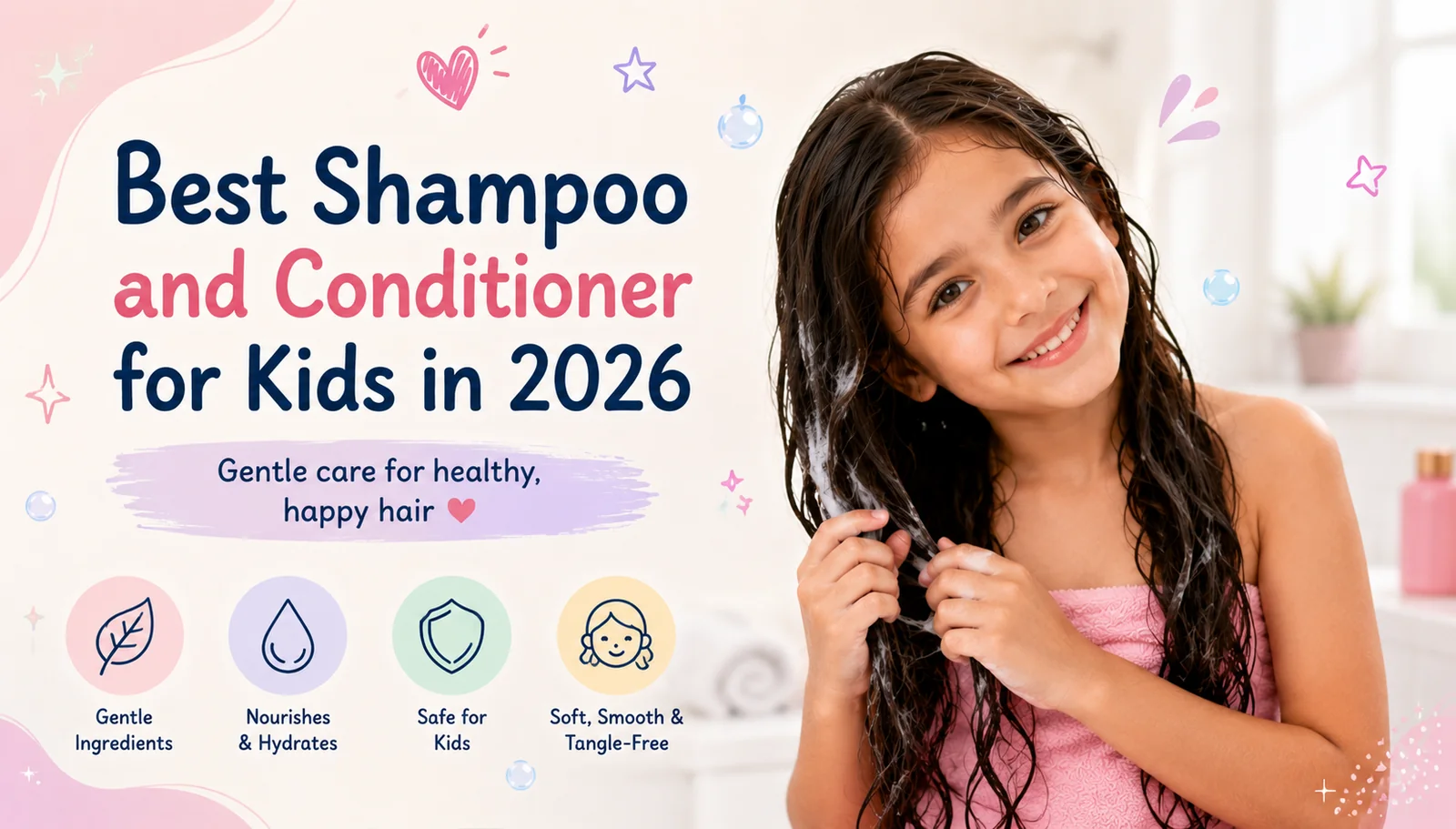
Choosing the best shampoo for kids means looking for products that are specifically formulated for children’s delicate hair and scalp. These shampoos are typically free from harsh sulfates and excessive fragrances, making them less likely to cause irritation or dryness.
Parents should also encourage children to rinse their hair thoroughly after swimming and avoid using adult shampoos that may contain stronger cleansing agents than young scalps require.
Combining gentle hair care with a simple skincare routine helps children maintain healthy skin from head to toe.
Healthy Daily Habits That Support Clear Skin
Good skincare extends beyond the products children use. Everyday habits play a major role in maintaining healthy skin.
Encouraging children to drink enough water throughout the day helps support hydration from within. A balanced diet rich in fruits, vegetables, whole grains, and healthy fats provides essential vitamins and antioxidants that contribute to healthy skin.
Adequate sleep is equally important. During sleep, the body repairs itself, including the skin. Children who consistently get enough rest often have healthier-looking skin compared to those with poor sleep habits.
Other healthy habits include:
- Washing pillowcases regularly.
- Avoiding touching or picking at the face.
- Removing sunscreen and dirt before bedtime.
- Cleaning sports equipment such as helmets and hats.
- Using clean towels for drying the face.
Although these practices may seem simple, they can significantly reduce irritation and support healthier skin over time.
Common Skincare Mistakes Parents Should Avoid
With so much skincare advice available online, it’s easy to become overwhelmed. However, many popular trends are designed for adults rather than children.
Some of the most common mistakes include using too many products at once, choosing harsh exfoliants, or expecting immediate results.
Parents should also avoid:
- Using anti-aging products on children.
- Applying products with high concentrations of active ingredients without professional guidance.
- Scrubbing the skin aggressively.
- Frequently switching between different skincare brands.
- Ignoring sunscreen during cloudy weather.
- Following social media skincare routines without considering a child’s individual needs.
A gentle, consistent routine almost always produces better results than an overly complicated one.
When Should Parents Consult a Dermatologist?
While most childhood skin concerns can be managed with basic skincare, there are times when professional advice is beneficial.
Parents should consider consulting a dermatologist if their child experiences persistent acne that doesn’t improve with gentle skincare, severe dryness, painful or inflamed breakouts, recurring rashes, allergic reactions, or signs of skin infection.
A dermatologist can evaluate the child’s skin type, identify underlying conditions, and recommend treatments that are both safe and age-appropriate.
Seeking expert advice early may help prevent unnecessary irritation and reduce the risk of long-term skin damage.
Frequently Asked Questions
Should children follow complicated skincare routines?
No. Most children benefit from a simple routine that includes a gentle cleanser, moisturizer, and sunscreen. Introducing unnecessary products may increase the risk of irritation.
How often should children wash their face?
Generally, washing the face twice a day—morning and evening—is sufficient. Children who participate in sports or spend extended time outdoors may also benefit from cleansing after physical activity.
Can children use products containing hyaluronic acid?
Many gentle formulations containing hyaluronic acid are designed to support hydration. Parents interested in learning more about hyaluronic acid kids should choose products formulated specifically for younger skin and follow age-appropriate recommendations.
How do I choose the right skincare products for my preteen?
Focus on fragrance-free, gentle products designed for sensitive skin. If your child is entering puberty, selecting the best skin care products for 12 year olds involves choosing products that cleanse and moisturize without stripping the skin’s natural barrier.
Is hair care really connected to skincare?
Yes. A healthy scalp contributes to overall skin health. Using the best shampoo for kids can help maintain a clean, comfortable scalp while reducing dryness and irritation.
Conclusion
Building healthy skincare habits doesn’t require expensive products or complicated routines. The most effective approach is often the simplest—gentle cleansing, regular moisturizing, daily sun protection, and healthy lifestyle habits.
As children grow, their skincare needs naturally evolve. Parents can support these changes by selecting age-appropriate products, introducing new ingredients gradually, and focusing on consistency rather than perfection. Whether you’re exploring skincare for 11 year old girls, searching for the best skin care products for 12 year olds, learning about hyaluronic acid kids, or choosing the best shampoo for kids, prioritizing gentle, child-friendly care helps create a strong foundation for lifelong skin health.
By encouraging simple daily habits and making informed product choices, parents can help their children develop confidence while protecting the health of their skin for years to come.