Every vehicle depends on a combination of mechanical, electrical, and electronic systems working together to provide safe and reliable transportation. As a vehicle accumulates mileage, normal wear and tear gradually affect important components such as the engine, brakes, transmission, suspension, steering, tires, and battery. Regular Auto Repair Services help restore these systems, maintain vehicle performance, and reduce the risk of unexpected breakdowns.
Whether the issue is a minor warning light or a major mechanical failure, timely repairs help prevent additional damage while extending the lifespan of the vehicle. Routine inspections and professional repairs also improve fuel efficiency, driving comfort, and overall safety. Understanding the value of auto repair services allows vehicle owners to protect their investment and enjoy dependable transportation throughout the life of their vehicle.
Why Auto Repair Services Are Important
Scheduling Auto Repair Services at the right time is essential for keeping a vehicle operating safely and efficiently. Small mechanical issues rarely resolve themselves and often become more serious if left unattended. A worn belt, leaking hose, faulty sensor, or damaged brake component can affect multiple systems, leading to more extensive repairs.
Timely repairs help maintain proper vehicle performance while reducing the likelihood of roadside breakdowns. They also improve braking, steering response, engine efficiency, and overall driving stability. Regular repairs support better fuel economy and help reduce unnecessary wear on major components, lowering long-term ownership costs.
In addition, maintaining a complete repair history can improve the resale value of a vehicle by demonstrating consistent care and maintenance.
Common Auto Repair Services
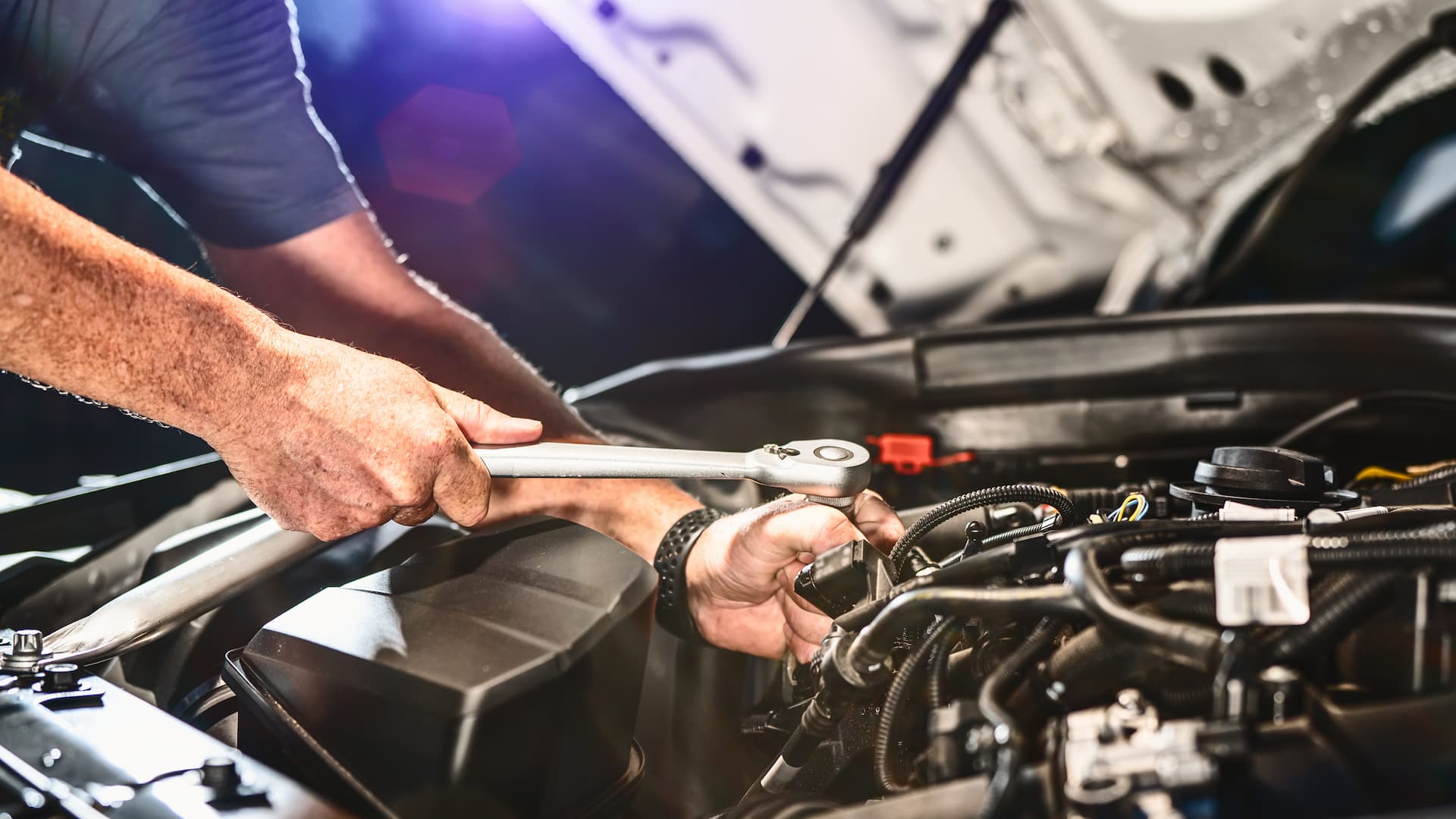
Professional auto repair services in Fredericksburg cover a wide variety of maintenance and repair needs for nearly every vehicle system. Engine repairs include replacing spark plugs, ignition coils, sensors, timing components, belts, hoses, water pumps, and gaskets while also addressing internal engine issues when necessary.
Brake services involve replacing brake pads, rotors, calipers, brake fluid, and hydraulic components to restore dependable stopping performance. Transmission repairs may include servicing fluid leaks, replacing worn components, repairing shifting problems, or rebuilding transmission assemblies when required.
Suspension and steering repairs restore ride comfort and vehicle control by replacing shocks, struts, ball joints, tie rods, control arms, bushings, and wheel bearings. Electrical services include battery replacement, alternator repairs, starter replacement, lighting repairs, wiring diagnostics, and electronic system troubleshooting.
Additional services often include cooling system repairs, radiator replacement, air conditioning repairs, exhaust system maintenance, tire replacement, wheel alignment, fuel system service, and preventive maintenance.
Warning Signs That Your Vehicle Needs Repairs
Recognizing early symptoms helps schedule Auto Repair Services before small problems become expensive repairs. Dashboard warning lights, including the check engine light, battery warning, brake warning, or oil pressure indicator, should always be investigated promptly.
Drivers should also watch for unusual noises such as squealing brakes, engine knocking, grinding transmissions, suspension clunks, or steering vibrations. Other warning signs include fluid leaks, poor fuel economy, difficulty starting the vehicle, overheating, rough idling, excessive exhaust smoke, reduced acceleration, or unusual odors.
Addressing these symptoms early often prevents additional mechanical damage while improving vehicle reliability.
The Diagnostic and Repair Process
Modern Auto Repair Services begin with a comprehensive inspection and diagnostic evaluation. Technicians examine the vehicle for visible signs of wear, fluid leaks, damaged components, and mechanical concerns.
Diagnostic equipment communicates with the vehicle’s onboard computer systems to retrieve fault codes and monitor engine, transmission, emissions, braking, and electrical performance. This information helps technicians accurately identify the cause of the problem rather than simply treating the symptoms.
Once the issue has been diagnosed, the necessary repairs are completed using appropriate replacement parts and repair procedures. Final testing confirms that all repaired systems are functioning correctly before the vehicle is returned to service.
The Role of Preventive Maintenance
Preventive maintenance significantly reduces the need for major Auto Repair Services by identifying wear before mechanical failures occur. Regular oil changes help protect internal engine components by maintaining proper lubrication and reducing friction.
Routine brake inspections allow worn brake pads to be replaced before they damage rotors or calipers. Tire rotations, balancing, and wheel alignments promote even tread wear while improving handling and fuel efficiency.
Replacing engine air filters, cabin air filters, coolant, transmission fluid, brake fluid, spark plugs, and drive belts according to manufacturer recommendations helps preserve vehicle performance while reducing future repair costs.
Consistent maintenance keeps major systems operating efficiently and extends the life of the vehicle.
Technology in Modern Auto Repair
Today’s Auto Repair Services involve advanced technology that allows technicians to diagnose and repair increasingly sophisticated vehicles. Modern automobiles feature computerized engine controls, electronic braking systems, advanced driver-assistance features, parking sensors, cameras, and numerous electronic control modules.
Repairing these systems often requires specialized diagnostic equipment capable of communicating with onboard computers and recalibrating sensors after repairs. As vehicle technology continues to advance, accurate diagnostics have become just as important as mechanical expertise.
Combining modern diagnostic tools with routine inspections helps ensure repairs are completed efficiently and accurately.
Maintaining Your Vehicle Between Repairs
Keeping up with routine care between Auto Repair Services helps maintain vehicle reliability and reduce long-term maintenance costs. Drivers should regularly check engine oil, coolant, brake fluid, tire pressure, and windshield washer fluid while monitoring for unusual noises, warning lights, or changes in vehicle performance.
Seasonal inspections also help prepare the vehicle for extreme weather by evaluating batteries, cooling systems, tires, heating and air conditioning systems, and windshield wipers. Keeping the vehicle clean and addressing minor concerns promptly supports the performance of recently repaired components.
Maintaining service records further helps owners track maintenance schedules and future repair needs.
Long-Term Benefits of Routine Auto Repair Services
Regular auto repair in Fredericksburg provides lasting benefits that go beyond restoring immediate performance. Well-maintained vehicles generally experience fewer unexpected breakdowns, improved fuel efficiency, smoother operation, and lower overall repair expenses.
Consistent repairs also protect major vehicle systems from premature wear while maintaining higher resale value through documented maintenance history. Drivers benefit from greater confidence, improved safety, and dependable transportation whether traveling short distances or taking extended road trips.
Investing in routine repairs and maintenance ultimately helps maximize both vehicle performance and long-term ownership value.
Conclusion
Auto Repair Services are an essential part of keeping any vehicle safe, reliable, and efficient throughout its lifespan. From engine diagnostics and brake repairs to suspension work, electrical troubleshooting, and preventive maintenance, every service contributes to dependable vehicle performance. By recognizing warning signs early, following manufacturer-recommended maintenance schedules, and addressing repairs promptly, vehicle owners can reduce long-term costs, extend the life of their vehicles, and enjoy greater peace of mind every time they drive.