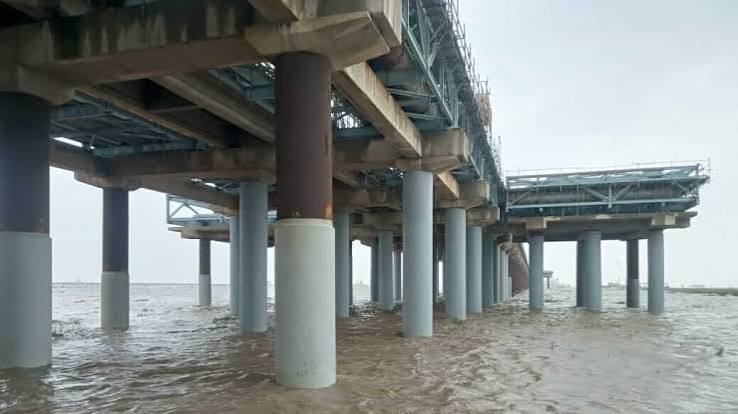
Jetties play a vital role in supporting ports, harbors, industrial facilities, fishing operations, and coastal transportation. These structures are constantly exposed to harsh marine environments, including saltwater, waves, tides, heavy vessel impact, and changing weather conditions. Over time, these factors lead to structural deterioration, reducing the strength and safety of the jetty. Timely jetty repair services helps to restore structural integrity while preventing expensive replacements and operational disruptions. Ignoring early signs of damage can result in severe structural failures, increased maintenance costs, and safety risks for workers and equipment. Regular inspections and professional rehabilitation ensure that marine structures continue to perform efficiently for years. Whether the damage involves concrete spalling, reinforcement corrosion, settlement, or impact damage, selecting the right repair approach improves durability and extends the service life of the entire structure.
Why Jetty Structures Deteriorate Over Time
Marine structures face some of the toughest environmental conditions compared to conventional buildings. Constant exposure to chlorides, moisture, oxygen, and cyclic wetting and drying accelerates reinforcement corrosion. Once corrosion begins, expanding steel causes concrete cracking and spalling, weakening the structural members. Heavy loading from vehicles, cranes, cargo handling equipment, and vessels further contributes to fatigue and structural distress over time.
Natural disasters, wave action, tidal movements, and foundation settlement also create additional stress on jetty components. Small cracks gradually become larger if left untreated, allowing more water and chlorides to penetrate the concrete. Regular structural assessment helps identify these issues before they become major repair challenges, allowing rehabilitation work to be planned with minimal operational disruption.
Common Signs That a Jetty Needs Repair
Many jetty owners overlook minor damage until it develops into a serious structural concern. Visible cracks, concrete spalling, rust stains, exposed reinforcement bars, uneven deck surfaces, and water seepage are common indicators that immediate attention is required. Structural movement, damaged fenders, corrosion of steel components, and pile deterioration are also warning signs that should never be ignored.
Routine inspections help engineers evaluate both visible and hidden damage within marine structures. Modern testing methods can detect internal deterioration before external symptoms become severe. Early intervention significantly reduces repair costs and prevents service interruptions. Timely maintenance also improves worker safety while ensuring that the jetty continues supporting daily operations without unexpected structural failures.
Importance of Professional Jetty Repair Services
Professional jetty repair services focus on restoring structural capacity while improving long-term durability against future marine exposure. Every repair project begins with a detailed structural assessment to understand the extent of deterioration, identify root causes, and develop the most suitable rehabilitation strategy. This engineering-based approach ensures that repairs address both existing damage and future performance requirements.
Experienced engineers use specialized repair materials designed specifically for aggressive marine environments. Proper surface preparation, corrosion treatment, concrete restoration, crack repair, strengthening techniques, and protective coatings work together to deliver lasting performance. Rather than simply repairing visible damage, professional rehabilitation improves the overall structural reliability and extends the usable life of the jetty.
Detailed Structural Assessment Before Rehabilitation
Successful rehabilitation always begins with a comprehensive structural investigation. Engineers inspect the jetty using visual surveys, non-destructive testing, reinforcement mapping, ultrasonic testing, rebound hammer tests, carbonation analysis, chloride testing, and load evaluations. These assessments provide valuable information about the actual condition of structural components and help prioritize repair activities based on severity.
Accurate condition assessment prevents unnecessary repairs while ensuring that hidden structural deficiencies are properly addressed. Engineers analyze environmental exposure, loading history, construction quality, and previous maintenance records before finalizing the rehabilitation plan. This systematic evaluation helps optimize repair costs while improving structural safety and long-term durability for marine infrastructure.
Effective Repair Techniques Used for Jetty Rehabilitation
Modern rehabilitation projects involve multiple repair techniques depending on the type and extent of damage. Concrete restoration replaces deteriorated concrete using high-performance repair mortars. Corroded reinforcement is cleaned, treated, or replaced before restoration begins. Crack injection with epoxy or polyurethane seals structural cracks, preventing further water ingress and improving overall structural continuity.
Structural strengthening methods such as fiber-reinforced polymer wrapping, steel plate bonding, micro-concrete jacketing, and protective coatings are widely used for marine infrastructure. These advanced solutions improve load-carrying capacity while increasing resistance against aggressive environmental conditions. Selecting the appropriate repair technique depends entirely on engineering evaluation rather than applying a standard solution for every project.
How Jetty Rehabilitation Improves Structural Performance
Rehabilitation is not limited to fixing damaged concrete. It focuses on restoring the entire structural system to safely support operational loads. Proper rehabilitation improves strength, serviceability, durability, and resistance against future deterioration. It also minimizes operational downtime while avoiding the enormous costs associated with complete reconstruction of marine infrastructure.
Improved structural performance directly contributes to safer working conditions, reliable cargo handling, and uninterrupted industrial operations. A properly rehabilitated jetty withstands environmental exposure more effectively while reducing long-term maintenance requirements. Investing in rehabilitation today helps owners avoid frequent emergency repairs and unexpected operational interruptions in the future.
Choosing Reliable Jetty Repair Contractors
Selecting experienced jetty repair contractors plays a major role in the success of any rehabilitation project. Marine structures require specialized engineering knowledge, skilled execution teams, marine-grade repair materials, and strict quality control procedures. Contractors should possess experience in structural rehabilitation rather than general civil construction because marine environments demand highly specialized repair practices.
Professional contractors conduct thorough inspections, prepare detailed rehabilitation methodologies, implement proper safety standards, and maintain quality throughout project execution. Their understanding of tidal conditions, marine access challenges, corrosion control, and structural strengthening ensures efficient project completion. Choosing experienced specialists significantly increases the reliability and lifespan of rehabilitation work.
Preventive Maintenance Reduces Future Repair Costs
Preventive maintenance remains one of the most cost-effective strategies for protecting marine infrastructure. Scheduled inspections allow engineers to identify early deterioration before it develops into extensive structural damage. Minor crack sealing, corrosion protection, joint maintenance, drainage improvements, and protective coating applications greatly reduce long-term rehabilitation expenses.
A proactive maintenance program minimizes operational downtime while extending the useful life of marine assets. Facility owners who invest in regular inspections often avoid emergency repairs, unexpected shutdowns, and expensive structural replacements. Consistent maintenance supports long-term asset management while ensuring safe and uninterrupted operations throughout the service life of the jetty.
Benefits of Modern Rehabilitation Technologies
Technological advancements have significantly improved the quality of marine rehabilitation projects. Advanced repair materials provide better adhesion, lower shrinkage, higher durability, and improved chemical resistance. Non-destructive testing techniques help engineers accurately assess structural conditions without damaging the existing structure, leading to more effective rehabilitation planning.
Digital inspections, drone surveys, underwater inspections, structural monitoring systems, and advanced corrosion protection technologies allow engineers to make informed maintenance decisions. These innovations improve repair quality, reduce project duration, and increase overall structural reliability. Modern Jetty Repair and Rehabilitation Services deliver longer-lasting performance while minimizing disruption to port and industrial operations.
Recommendation for Marine Infrastructure Owners
If your marine facility shows signs of cracking, corrosion, concrete damage, or structural deterioration, seeking professional engineering guidance at the earliest stage is always beneficial. An experienced rehabilitation specialist can evaluate the condition, recommend suitable repair methods, and develop a long-term maintenance strategy. Gubbi Civil Engineers Limited offers engineering-focused rehabilitation solutions that help restore structural integrity while improving durability and extending the service life of marine infrastructure.
Jetty structures are valuable assets that support critical transportation, industrial, and commercial activities. Continuous exposure to harsh marine environments makes deterioration unavoidable, but timely rehabilitation significantly extends structural life while improving safety and operational reliability. Investing in professional inspections, preventive maintenance, and scientifically planned repairs protects infrastructure and reduces long-term ownership costs.
Whether addressing corrosion, concrete damage, structural strengthening, or foundation-related issues, professional jetty repair services provide practical solutions that restore performance and durability. Working with experienced jetty repair contractors ensures that rehabilitation projects follow engineering best practices and deliver sustainable results. A well-maintained jetty continues serving its intended purpose efficiently while minimizing future maintenance requirements and supporting reliable marine operations for many years.