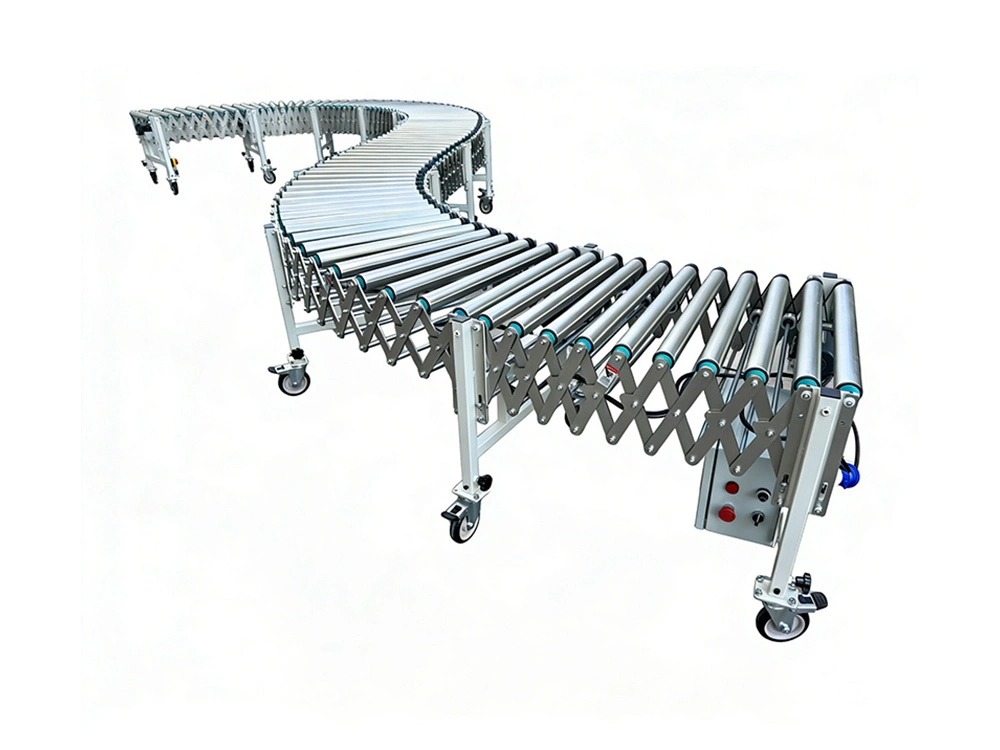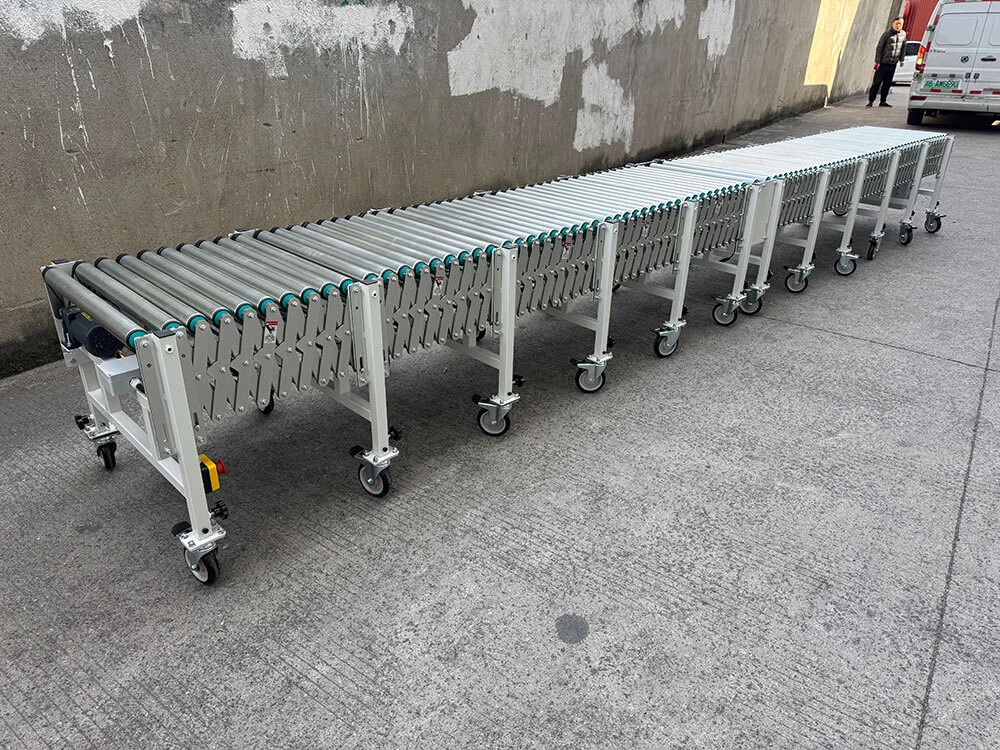
Some warehouses run the same routine every single day, but many don’t, and the businesses in that second group face a very different set of challenges when it comes to choosing the right material handling equipment. Businesses dealing with unpredictable order volumes, shifting product lines, or seasonal demand need equipment that can keep up with change rather than forcing the operation to work around fixed infrastructure that was designed for a single, unchanging set of conditions. This is exactly where a flexible powered roller conveyor proves its worth.
Handling Unpredictable Daily Volumes
When order volume swings sharply from one day to the next, fixed conveyor systems can become either underused or completely overwhelmed depending on how demand happens to land on any given day of the week. A portable, motorized option can be scaled up simply by bringing in additional units during busy periods and storing them away during slower stretches, matching equipment use to actual daily demand rather than a fixed average that rarely reflects what’s actually happening on the floor at any given moment.
Adjusting to Layout Changes Quickly
Dynamic operations often involve rearranging storage racks, adding temporary staging areas, or shifting loading dock assignments based on incoming shipments that weren’t planned far enough in advance to design around permanently. Because this conveyor’s frame can be reshaped and repositioned, it adapts to these changes within minutes rather than requiring a lengthy reinstallation process that a fixed system would demand, saving valuable time during periods when every minute of downtime translates directly into lost productivity for the whole team.
Supporting Multiple Product Types
Learn why a flexible powered roller conveyor suits operations that handle a wide mix of product sizes and weights, since the same unit can often be adjusted to accommodate everything from small parcels to bulkier cased goods without needing separate specialized equipment for each type of item that passes through the facility on a regular basis throughout the year.
Reducing Downtime During Transitions
Every time a warehouse shifts its process or layout, there’s a risk of downtime while equipment gets reconfigured to match the new arrangement, and that downtime can quickly add up if the equipment being used isn’t designed with flexibility in mind. Because this conveyor can be moved and adjusted quickly by existing staff without outside help, transitions between different tasks or layouts happen with minimal disruption, keeping overall productivity steadier even as daily conditions change more often than a typical fixed-layout warehouse would experience.
A Practical Fit for Growing, Changing Businesses
Businesses that are still figuring out their long-term layout, or that expect continued growth and change over the coming years, often find that flexible equipment fits their situation better than a large upfront investment in fixed infrastructure that assumes conditions will stay the same indefinitely. As operations mature and patterns become clearer, this same conveyor can continue serving as a reliable, adaptable part of the material handling process, growing and shifting alongside the business rather than becoming outdated the moment circumstances change.