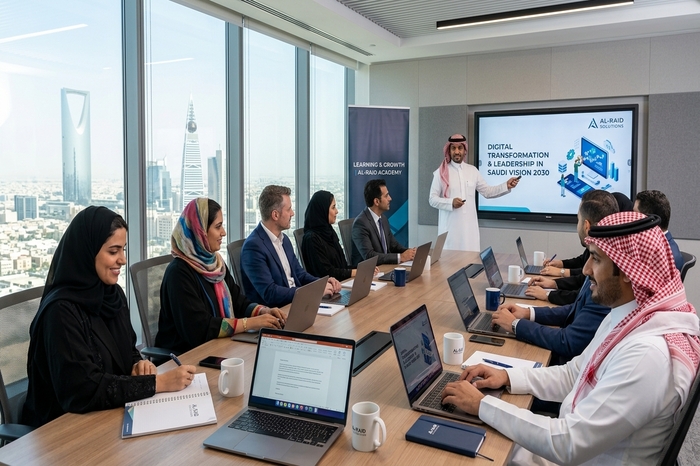
In today’s rapidly evolving business environment, organizations must continuously adapt to changing market demands, technological advancements, and workforce expectations. As companies expand and competition increases, investing in corporate training Saudi Arabia initiatives has become one of the most effective ways to improve organizational performance and build future-ready teams.
Businesses across Saudi Arabia are recognizing that employee development is no longer an optional activity. Instead, it has become a strategic investment that directly impacts productivity, leadership capability, employee retention, and long-term business success. Modern corporate training programs focus on developing practical skills, improving decision-making, enhancing communication, and strengthening leadership across all levels of an organization. Many leading training providers now deliver customized programs designed to align learning outcomes with real business objectives and measurable organizational results.
The Growing Importance of Workforce Development
Organizations today face challenges that did not exist a decade ago.
These include:
- Rapid digital transformation
- Changing customer expectations
- Global competition
- Leadership succession planning
- Employee retention challenges
- Increasing demand for innovation
To remain competitive, companies must ensure their workforce possesses the skills necessary to navigate these challenges effectively.
Corporate learning and development programs provide structured pathways that help employees adapt, grow, and contribute more effectively to organizational goals. Companies that prioritize employee development often experience higher productivity, stronger engagement, and improved business performance.
Why Corporate Training Delivers Business Value
Many organizations initially view training as an expense. However, successful businesses understand that effective learning programs generate measurable returns.
Improved Employee Performance
Employees who receive regular professional development training are better equipped to perform their responsibilities efficiently.
Training helps individuals:
- Improve technical knowledge
- Strengthen problem-solving abilities
- Increase workplace confidence
- Develop communication skills
- Enhance productivity
As employee performance improves, organizations often see gains in operational efficiency and customer satisfaction.
Stronger Leadership Capability
Leadership remains one of the most critical drivers of business success.
Many organizations invest in leadership development programs to prepare managers and future leaders for greater responsibilities.
Modern leadership training focuses on:
- Strategic thinking
- Decision-making
- Team management
- Change leadership
- Conflict resolution
- Performance coaching
Leadership-focused corporate training helps organizations build stronger management pipelines and improve succession planning. Specialized providers in Saudi Arabia increasingly design leadership programs around practical workplace application and measurable business outcomes.
The Link Between Training and Employee Retention
Employee turnover continues to be a significant challenge for many businesses.
Professionals increasingly seek employers that support their growth and career development.
When organizations invest in learning opportunities, employees often feel:
- More valued
- More engaged
- More motivated
- More committed to long-term employment
Training programs demonstrate that a company is willing to invest in its people, which can contribute to improved retention and workforce stability.
Organizations that develop talent internally also reduce recruitment costs and preserve valuable institutional knowledge.
Key Areas of Corporate Training in Saudi Arabia
Modern organizations require diverse skill sets across departments and management levels.
Leadership and Management Development
Leadership training remains one of the most requested areas of corporate development.
Programs often focus on:
- Leadership effectiveness
- Executive communication
- Strategic management
- Team leadership
- Organizational influence
These skills help managers lead more effectively while supporting organizational growth.
Communication and Collaboration Skills
Successful organizations depend on effective communication.
Training in this area helps employees:
- Improve workplace communication
- Strengthen teamwork
- Reduce misunderstandings
- Enhance collaboration across departments
Strong communication contributes to a healthier and more productive workplace culture.
Human Resource Development
HR professionals play an important role in talent acquisition, employee engagement, and organizational performance.
Corporate training for HR teams may include:
- Talent management
- Workforce planning
- Performance management
- Employee development strategies
These skills support stronger people-management practices throughout the organization. Industry-wide training trends in Saudi Arabia continue to emphasize leadership, HR development, and organizational effectiveness as high-priority learning areas.
Project and Operational Management
Organizations increasingly rely on structured project management and operational excellence frameworks.
Training in these areas helps teams improve:
- Resource management
- Planning processes
- Risk assessment
- Project execution
- Operational efficiency
These capabilities contribute directly to business performance and profitability.
How Customized Corporate Training Creates Better Results
One-size-fits-all training programs often fail to address the specific challenges faced by individual organizations.
Customized corporate training offers a more effective solution.
Tailored programs consider:
- Industry requirements
- Organizational goals
- Leadership maturity
- Workforce skill gaps
- Company culture
Training providers increasingly collaborate with leadership teams and HR departments to design learning solutions that align with strategic business objectives. This customized approach improves relevance, engagement, and long-term impact.
Building a Culture of Continuous Learning
Successful organizations view learning as an ongoing process rather than a one-time event.
A strong learning culture encourages employees to:
- Continuously improve skills
- Embrace innovation
- Adapt to change
- Share knowledge
- Pursue professional growth
Organizations that foster continuous learning often demonstrate greater agility and resilience during periods of change.
This approach also supports long-term talent development and leadership readiness.
Measuring Training Effectiveness
Corporate training should produce measurable outcomes.
Businesses increasingly evaluate learning initiatives based on:
Employee Performance Improvements
Managers can assess whether training has enhanced productivity, efficiency, and workplace performance.
Leadership Growth
Organizations often monitor leadership effectiveness through performance reviews, team feedback, and business outcomes.
Employee Engagement
Higher engagement levels frequently indicate successful learning and development initiatives.
Business Impact
Training effectiveness can also be measured through:
- Increased productivity
- Improved customer satisfaction
- Better team performance
- Reduced turnover
- Stronger organizational results
Leading training providers often incorporate post-training evaluations and ongoing support to help organizations measure return on investment and sustain learning outcomes.
The Future of Corporate Training in Saudi Arabia
As businesses continue to evolve, corporate learning will become even more important.
Emerging trends include:
- Blended learning programs
- Executive coaching
- Leadership acceleration initiatives
- Digital learning platforms
- Skills-based workforce development
- Customized leadership pathways
Organizations that invest early in workforce development will be better positioned to navigate future challenges and capitalize on new opportunities.
The focus is shifting from simple knowledge transfer toward practical capability building that supports business transformation and sustainable growth.
Conclusion
The modern business landscape requires organizations to continuously strengthen their workforce capabilities. Investing in corporate training Saudi Arabia programs provides companies with a powerful tool for improving leadership, increasing employee performance, enhancing collaboration, and supporting long-term organizational success.
From leadership development and communication skills to operational excellence and workforce planning, corporate training helps businesses build stronger teams capable of delivering measurable results. By creating a culture of continuous learning and partnering with experienced training providers, organizations can position themselves for sustainable growth in an increasingly competitive marketplace.
For companies committed to developing future-ready leaders and high-performing teams, corporate training is no longer just a learning initiative—it is a strategic business advantage.