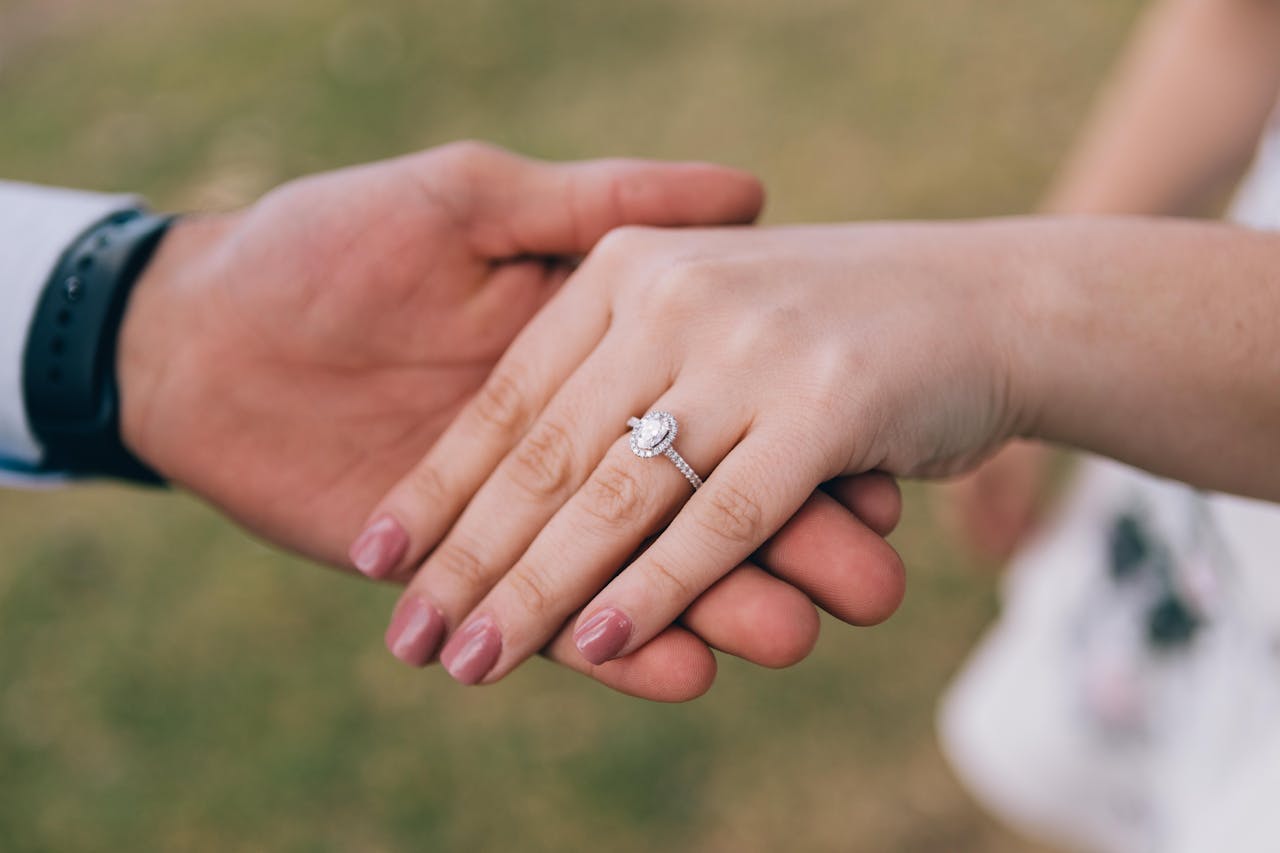
Planning your romantic proposal sounds fun and exciting until you actually start looking at engagement rings and diamonds.
Suddenly, every listing is filled with terms like “oval,” “cushion,” “excellent cut,” and “VS1 clarity,” and it’s easy to feel completely lost. Engagement rings are deeply personal, worn every day, and often cost hundreds of dollars. It’s unlike the gifts you’ve bought in the past, so the pressure to make the right choice is huge.
The good news is you don’t need to be an expert overnight. Once you understand the basics, especially the difference between diamond cut and shape, everything starts making a lot more sense.
4 Cs of Diamonds
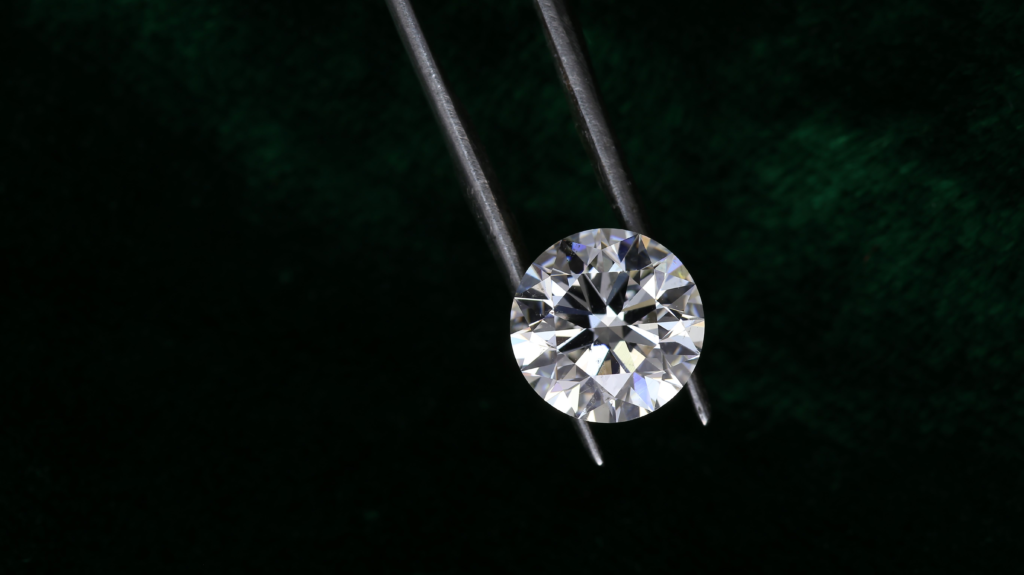
Before getting into that, though, it helps to understand the “4 Cs” of diamonds: cut, color, clarity, and carat. These are the four main factors used to evaluate a diamond’s quality and value, whether you’re looking at a classic white diamond or something rarer like Argyle pink diamonds.
- Cut affects how much the diamond sparkles and reflects light
- Color measures how white or colorless the diamond appears
- Clarity refers to tiny natural imperfections inside the stone
- Carat is the diamond’s weight and usually influences size
Carats tend to get all the attention, but when it comes to the 4 Cs, cut is usually the one that matters most. A well-cut diamond can look brighter, larger, and more beautiful even if it has slightly lower color or clarity grades. On the other hand, a poorly cut diamond can look dull no matter how expensive it is.
Once you get the cut right, the other Cs become much easier to balance around your budget and style preferences.
How Cut Affects Light, Sparkle, and Perceived Size
Cut quality directly influences three things people care about most:
1. Light reflection (sparkle and fire)
A well-cut diamond reflects light internally and returns it to the eye. This creates brilliance (white light sparkle), fire (rainbow flashes), and scintillation (sparkle when the diamond moves). Round brilliant cuts are famous for maximizing this effect.
2. Perceived size
Two diamonds of the same carat weight can look different in size depending on the cut. Some shapes, like oval, marquise, and pear, tend to look larger than round diamonds of the same weight because of how they spread across the finger.
3. Visual depth and personality
Cut also changes the “feel” of a diamond. Some cuts feel sharp and modern. Others feel soft and romantic. This is where style really comes into play.
Cut vs Shape: What’s the Real Difference?
Most people hear words like “cut” and “shape” and assume they mean the same thing. They don’t. You can have two diamonds with the same shape, but very different brilliance, depending on the cut quality.
“Cut” is about brilliance and how well the diamond has been crafted to reflect light. It includes the angles, proportions, and symmetry of the stone. A well-cut diamond performs well in light. It sparkles, flashes, and draws the eye.
“Shape,” on the other hand, refers to the outline of the diamond when you look at it from above. It’s the silhouette. Think round, oval, square, pear, or heart. Shape is what most people notice first because it defines the ring’s overall look.
Understanding the difference is the first step to picking a ring that actually suits your partner’s taste, and the way the diamond will look in real life.
Popular Diamond Shapes and What They Say About Style
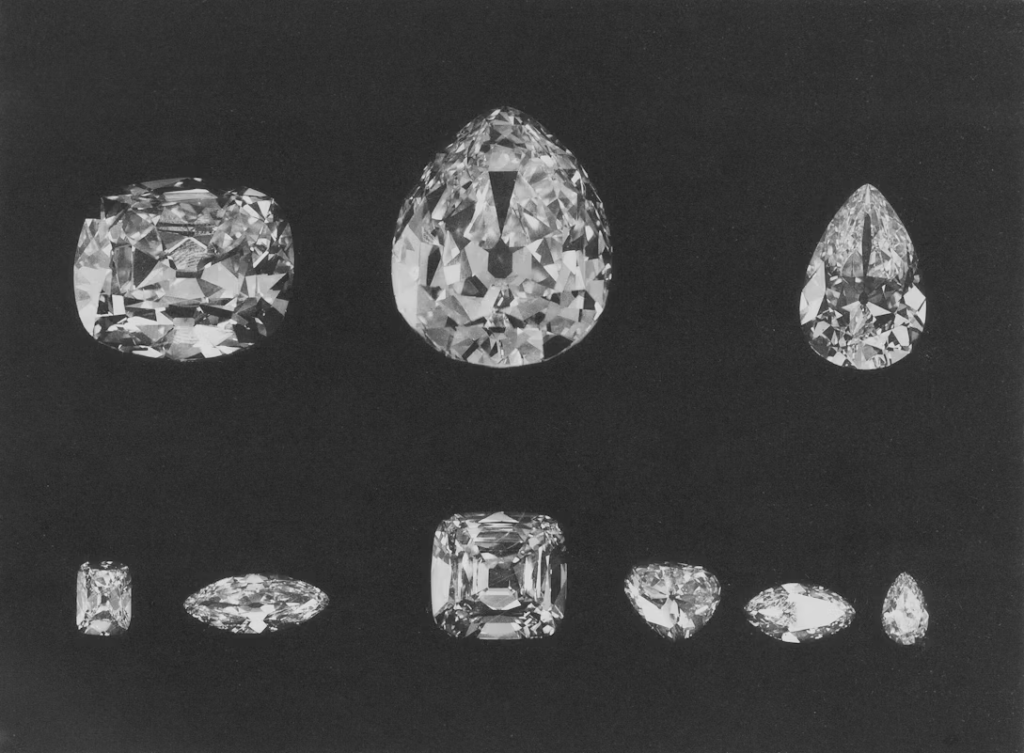
Now that we know what “cut” means, let’s talk about the most popular shapes and what to consider when choosing them.
1. Round Brilliant
The most classic choice. It is engineered for maximum sparkle. If someone wants timeless and safe, this is usually the answer. It hides inclusions well and works with almost any setting style. The trade-off is that it tends to cost more per carat because of high demand and cutting waste.
2. Princess Cut
A square-shaped diamond with sharp corners and strong sparkle. It feels modern and structured. It works well for people who like clean lines but still want brilliance. The corners can be slightly more vulnerable, so settings often protect them.
3. Cushion Cut
Soft square or rectangular shape with rounded edges. It has a romantic, vintage feel. Cushion cuts don’t sparkle quite like round brilliants, but they have a warm, glowing appearance that many people love.
4. Oval Cut
An elongated version of the round brilliant. It gives the illusion of a larger stone and can make fingers look longer and slimmer. It’s a popular choice for those who want elegance with a slightly unique twist without going too far from tradition.
5. Emerald Cut
Rectangular with step-like facets. Instead of sparkle, it emphasizes clarity and “hall of mirrors” flashes. It feels sophisticated and understated. Because inclusions are easier to see, higher clarity is usually preferred.
6. Pear Shape
A teardrop design combining round and marquise elements. It feels feminine and distinctive. It can be worn pointing up or down depending on style preference. It also tends to look larger than its carat weight.
7. Marquise Cut
An elongated shape with pointed ends. It maximizes surface area, making the diamond appear larger. It has a dramatic, vintage-inspired look. The pointed tips require protective settings.
8, Asscher Cut
Similar to emerald but square, with deeper facets and more symmetry. It has an antique Art Deco feel and emphasizes geometric beauty over sparkle.
9. Heart Shape
A symbolic and romantic option. It requires very precise cutting to look balanced. It’s less common but very expressive.
Key Considerations When Choosing a Diamond Shape and Cut
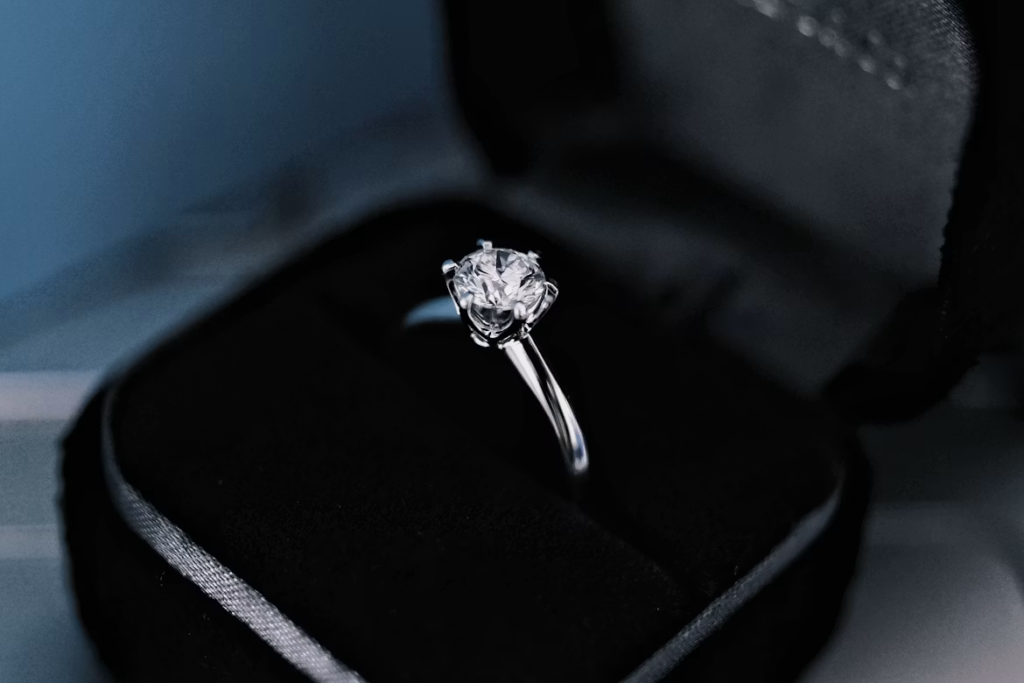
Choosing a diamond is not just about what looks good in isolation. It’s about how it fits into real life.
1. Hand and finger shape
Long, slender fingers often suit most shapes. Shorter fingers may benefit from elongated shapes like oval or pear to create a lengthening effect. Wider fingers can look balanced with round or cushion cuts.
2. Lifestyle and durability
If the ring will be worn daily without much protection, consider durability. Shapes with sharp corners like princess or marquise may need protective settings. Round and oval are generally more resistant to chipping.
3. Setting style
The setting can change everything. A solitaire highlights the diamond itself. A halo makes the center stone look larger. Vintage settings pair well with cushion or emerald cuts. Modern minimalist settings often suit round or oval stones.
4. Budget and appearance
Some shapes give more visual size per carat. Oval, pear, and marquise often look larger than round diamonds of the same weight. This can be helpful if you want a bigger look without increasing budget significantly.
5. Sparkle preference
If maximum brilliance matters, round brilliant is the leader. If you prefer soft glow or architectural beauty, emerald or cushion cuts may appeal more.
No Perfect Choice, Just the Right One
Choosing a diamond shape and cut is really about balancing three things: how it looks, how it performs in light, and how it suits the person who will wear it. At the end of the day, there’s no universal “best” option for an engagement ring. It’s the one that looks right, feels right, and fits the story you want the ring to tell.
Author Bio: Carmina Natividad is a resident writer for Musson, a prestigious Australian fine jewellery house celebrated for its exquisite handcrafted creations and rare gemstones, including the world-renowned Argyle pink diamonds. She enjoys sharing practical insights on everything from wedding and styling tips to rare gems and jewellery trends.