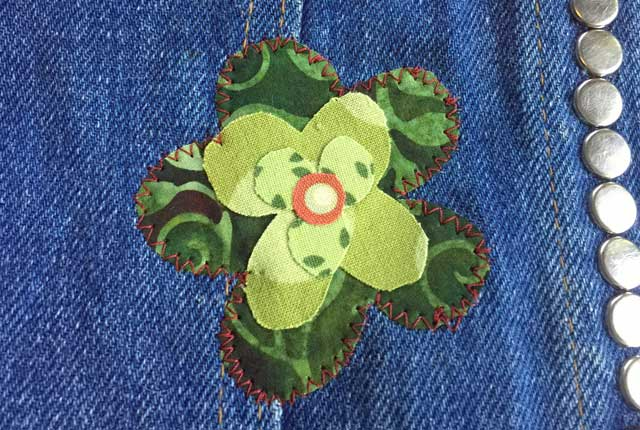
Sew-on patches have a reputation for being the gold standard of patch durability, and for good reason. Unlike adhesive-based methods, a stitched patch becomes physically part of the fabric it’s attached to, which is why it remains the go-to choice for uniforms, workwear, and anything meant to last for years rather than seasons. But “sew-on patch maker” can mean very different things depending on who’s asking — a hobbyist looking for a free design tool, or a business searching for a manufacturer capable of producing hundreds of consistent, professional-grade patches.
Two Meanings Behind the Same Term
When people search for a “sew-on patch maker,” they’re usually looking for one of two very different things:
- A design tool or app — software or a website that lets someone create their own patch artwork, whether for personal use, a small gift, or a concept to send off for production.
- A manufacturer or service — a business that actually produces the physical patch, using embroidery machines, digitizing software, and finishing techniques to turn a design into a wearable product.
Understanding which one you actually need is the first step in avoiding wasted time. A free design app is great for sketching out an idea, but it won’t produce a finished, durable patch on its own — that step still requires an experienced manufacturer with the right equipment.
Designing the Patch: Where Most People Start
For anyone starting from scratch, design tools generally fall into two tiers. Beginner-friendly platforms offer templates, basic shapes, and simple text tools, making them a good starting point for sketching a concept without any design background. Professional embroidery software, on the other hand, is built specifically for converting artwork into stitch files that embroidery machines can read — controlling stitch density, thread paths, and fine detail in a way that consumer design tools simply aren’t built for.
Most buyers don’t need to master professional software themselves. Instead, they create a rough concept using simple tools, then send that design to a manufacturer who handles the digitizing and stitch-file creation as part of the production process.
Materials That Go Into a Quality Sew-On Patch
The durability people associate with sew-on patches comes down to a combination of fabric, thread, and construction technique. Twill remains one of the most widely used base fabrics thanks to its smooth surface, which embroiders cleanly and holds detail well. Felt offers a softer, more textured alternative, often used for a more casual or vintage look, while canvas provides extra strength for patches expected to see heavier wear.
Thread quality matters just as much as the base fabric. Polyester and rayon threads are the industry standard, chosen for their color vibrancy and resistance to fraying over repeated washing. Behind the scenes, stabilizer material is used during the embroidery process to keep fabric from shifting or puckering, which is part of what gives professionally made patches their clean, consistent finish.
DIY vs. Professional Production
For hobbyists making a single patch for personal use, a simple approach works well: sketch or print a design, cut the fabric, and stitch the design using basic hand or machine embroidery techniques. Edge finishing often done with a blanket stitch or heat sealing — helps prevent fraying and gives even a home-made patch a cleaner look.
Professional production follows a more involved path. Designs are digitized into stitch files, then embroidered using industrial machines capable of handling high stitch counts with precision. A key detail in professional patches is the merrow border a rounded, reinforced edge that both improves durability and gives the patch that recognizable, polished look seen on commercially produced designs. This level of consistency is difficult to replicate by hand, which is why most businesses and organizations turn to professional manufacturers once they need more than a handful of matching patches.
Sew-On vs. Iron-On: Revisiting the Durability Question
It’s worth repeating a point that trips up many first-time buyers: sew-on patches are generally more durable than iron-on patches because stitching creates a mechanical bond that doesn’t degrade with heat or repeated washing the way adhesive can. Iron-on patches remain useful for quick, casual, or short-term applications, but for uniforms, workwear, and long-term use, sewing remains the more reliable choice.
Pricing Expectations
Pricing for sew-on patches varies significantly depending on order size. A single custom patch tends to carry a higher per-unit cost, since setup and digitizing expenses aren’t spread across multiple units. Bulk and wholesale orders bring the cost down considerably, since those same setup costs get distributed across a much larger quantity a key reason businesses ordering for uniforms or team merchandise typically see far better per-patch pricing than individual buyers.
Buyers curious about the full design-to-production process, including specific tools, materials, and stitching techniques, can find a detailed walkthrough in this guide on the sew-on patch maker process, covering both DIY and professional-level approaches.
Choosing the Right Path for Your Project
For a single personal patch or a small creative project, a DIY approach using simple tools and basic stitching techniques is often enough. For anything involving a business, uniform, or consistent branding across multiple items, working with a professional manufacturer ensures the finished patches match in color, size, and quality — something that’s difficult to guarantee outside of an industrial production setting.
Final Thoughts
Whether the goal is a single hand-stitched patch or a large batch of professionally produced designs, understanding the difference between design tools and actual manufacturing helps set the right expectations from the start. Sew-on patches remain a durable, professional-looking option for anyone who needs their design to last, and choosing the right combination of materials, stitching method, and production scale makes all the difference in the final result. For those exploring detailed, texture-rich alternatives, browsing a range of custom woven patches is a good way to compare finer design options alongside traditional embroidery.