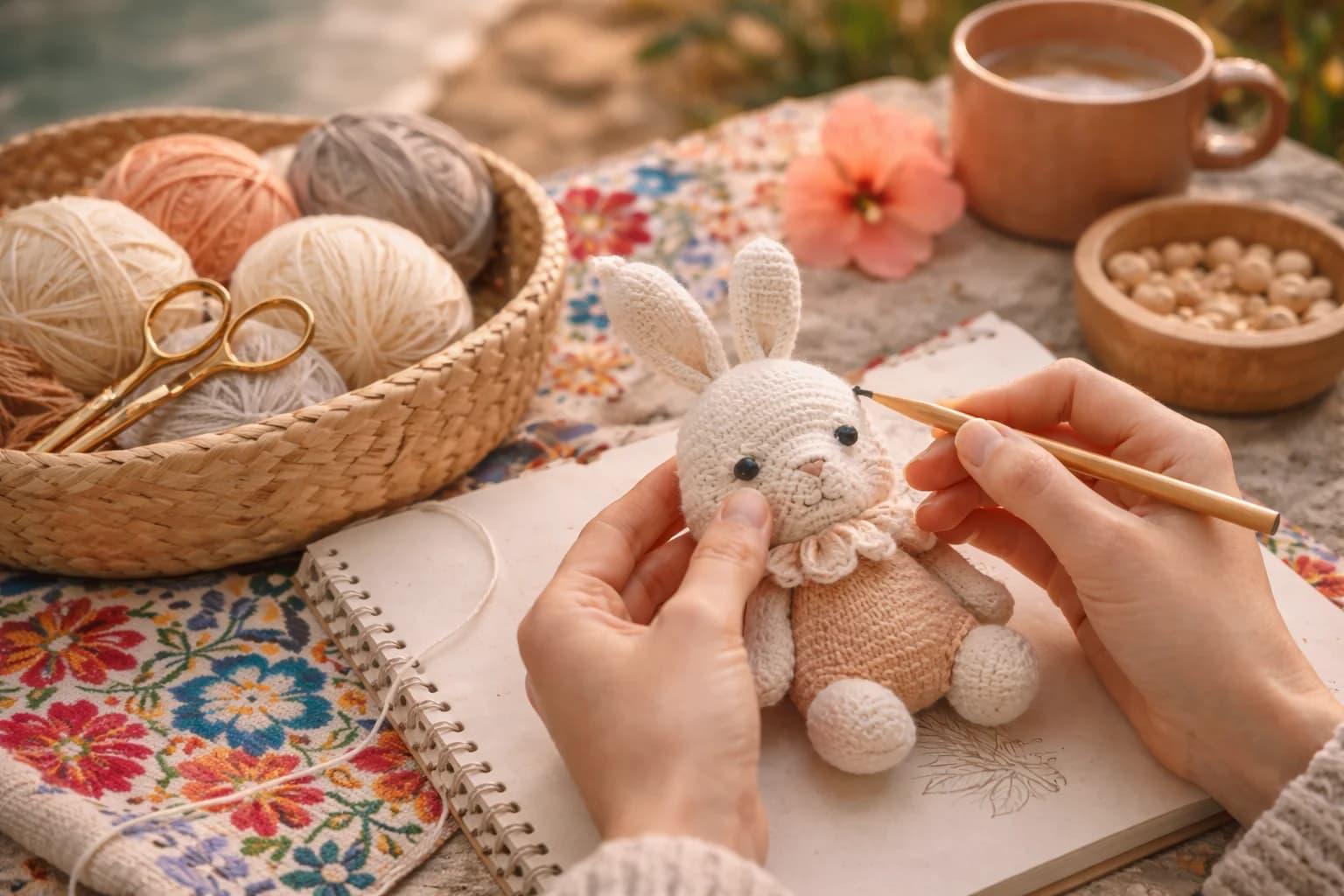
How to Crochet a Woolen Rabbit | Best 6 Step-by-Step Guide
Crocheting is more than just a craft—it’s a relaxing and rewarding hobby that allows you to transform simple yarn into adorable handmade creations. One of the most popular beginner-friendly projects is a crocheted woolen rabbit, often known as an amigurumi rabbit. Whether you’re making it as a gift, a nursery decoration, or simply for yourself, this charming project is an excellent way to practice crochet skills while creating something meaningful.
In this guide, you’ll learn ‘How to Crochet a Woolen Rabbit’ with materials required, the step-by-step process, and why crocheting is a hobby worth embracing.
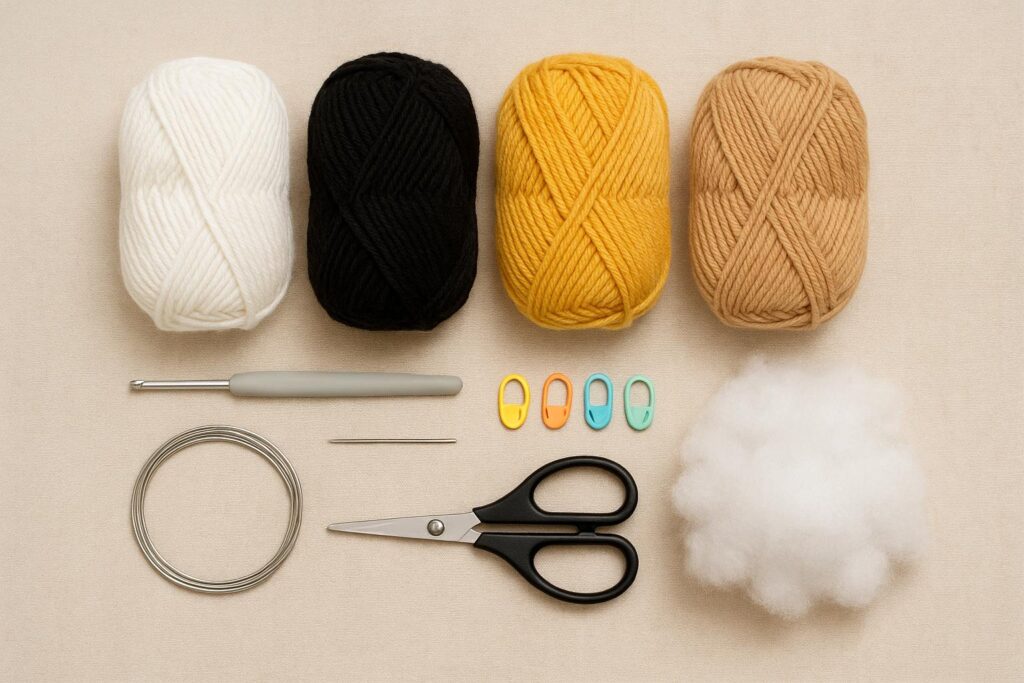
Materials You’ll Need
Before getting started, gather the following supplies:
- Soft wool or acrylic yarn (white, grey, brown, or your preferred color)
- Crochet hook (typically 3 mm–4 mm)
- Polyester fiberfill stuffing
- Stitch markers
- Yarn needle
- Small scissors
- Safety eyes or black embroidery thread
- Pink yarn or felt for the nose (optional)
Choosing soft yarn makes the rabbit cuddly and easier to work with, especially for beginners.
Step 1: Crochet the Head
Begin ‘How to Crochet a Woolen Rabbit‘ the process by making a magic ring and crochet six single crochet stitches into the center. Continue increasing stitches evenly over several rounds until the head reaches the desired size.
Once the head is wide enough, crochet several rounds without increasing to create height. Add the safety eyes before closing the head, leaving enough room to insert stuffing.
Stuff the head firmly with fiberfill and gradually decrease the stitches until the opening is closed. Secure the yarn and weave in the loose end.
Step 2: Make the Body
The body is created similarly to the head.
Start with another magic ring, increase gradually to form a rounded base, and continue crocheting upward without increases. Lightly stuff the body as you go to maintain its shape.
When complete, leave a long yarn tail, as this will be useful when sewing the body to the head.
Step 3: Crochet the Ears
The rabbit’s long ears give it its signature look.
Create two identical ears using rows of single crochet stitches. Keep them slightly flatter than the body by using minimal stuffing—or none at all—for a soft, floppy appearance.
Fold the base of each ear slightly before attaching them to the top of the head. This creates a natural curved shape.
Step 4: Make the Arms and Legs
Crochet four small tube-shaped pieces.
Stuff them lightly so they remain flexible. Once completed, sew two onto the sides of the body as arms and attach the remaining two underneath as legs.
Ensure both sides are symmetrical before securing the stitches.
Step 5: Add the Tail
The tail is one of the easiest parts of the project.
Crochet a tiny round ball, stuff it lightly, and sew it to the back of the rabbit. Alternatively, you can use a fluffy pom-pom for an extra cute finish.
Step 6: Assemble the Rabbit
Now it’s time to bring all the pieces together.
Sew the head securely onto the body using the long yarn tail. Attach the ears, arms, legs, and tail carefully. Take your time to ensure everything is evenly aligned.
Finally, embroider a small triangular nose and a smiling mouth using pink and black thread. Add tiny blush details if desired to give your ‘How to Crochet a Woolen Rabbit’ more personality.
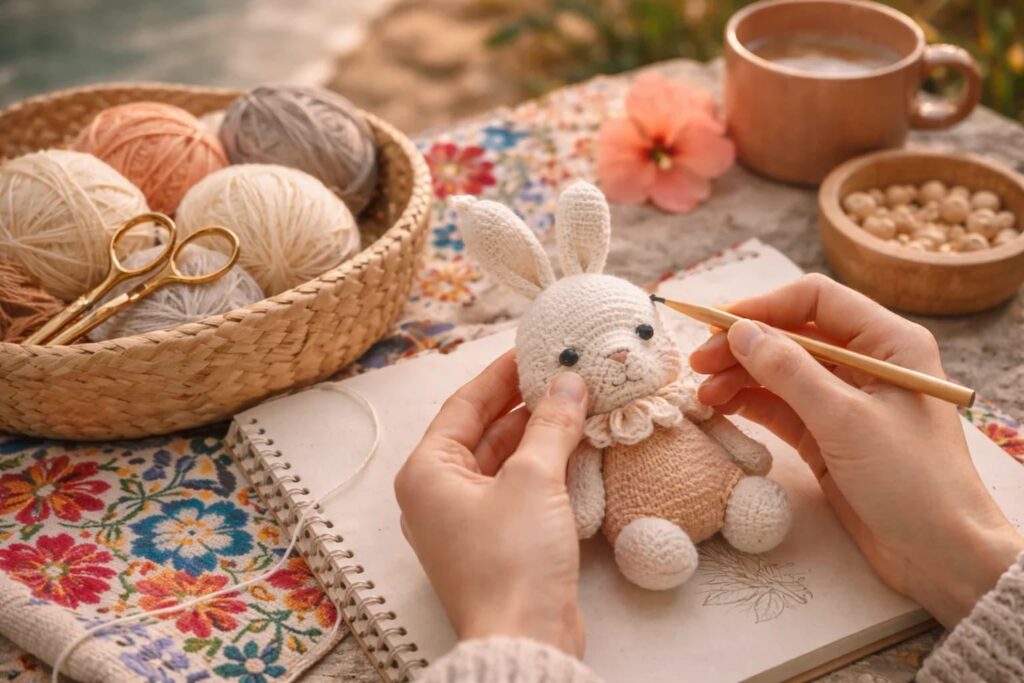
Finishing Touches
Personalize your ‘How to Crochet a Woolen Rabbit’ with creative accessories such as:
- A colorful scarf
- A tiny crochet hat
- A miniature bow tie
- A floral crown
- A small dress or sweater
These details make every rabbit unique and are a wonderful opportunity to experiment with colors and patterns.
Helpful Tips for Beginners
- Count your stitches after every round.
- Use a stitch marker to track the beginning of each round.
- Stuff evenly to maintain a smooth shape.
- Practice basic stitches before attempting detailed projects.
- Don’t worry if your first rabbit isn’t perfect—every project improves your skills.
‘How to Crochet a Woolen Rabbit’ is a craft idea that rewards patience and consistency.
Frequently Asked Questions
1. Is ‘How to Crochet a Woolen Rabbit’ suitable for beginners?
Yes, ‘How to Crochet a Woolen Rabbit’ a woolen rabbit is an excellent project for beginners. It primarily uses basic crochet stitches such as single crochet, increases, and decreases, making it a great way to practice while creating an adorable handmade toy.
2. What materials do I need to ‘How to Crochet a Woolen Rabbit’?
You’ll need soft wool or acrylic yarn, a crochet hook (3 mm–4 mm), polyester fiberfill stuffing, stitch markers, a yarn needle, scissors, and safety eyes or embroidery thread for the facial features.
3. How long does it take to crochet a woolen rabbit?
The time depends on your experience. Beginners usually take 4–6 hours, while experienced crocheters can complete one in 2–3 hours.
4. What type of yarn is best for making a ‘How to Crochet a Woolen Rabbit’?
Soft acrylic, cotton, or wool yarn is ideal for amigurumi projects. Medium-weight yarn is easy to work with and gives the rabbit a soft, durable finish.
5. Can I wash a ‘How to Crochet a Woolen Rabbit’?
Yes. If you’ve used washable yarn and stuffing, you can gently hand wash the rabbit in cold water with mild detergent and allow it to air dry completely.
6. How do I make ‘How to Crochet a Woolen Rabbit’ look more realistic?
You can personalize your rabbit by adding embroidered facial features, blush on the cheeks, floppy ears, tiny accessories like scarves or bows, and using different yarn colors for a unique appearance.
7. Why is stuffing important in amigurumi projects?
Stuffing helps the rabbit maintain its shape and gives it a soft, cuddly feel. It’s best to add stuffing gradually and evenly to avoid lumps.
8. Can I use this ‘How to Crochet a Woolen Rabbit’ as a handmade gift?
Absolutely! A crocheted woolen rabbit makes a thoughtful handmade gift for birthdays, baby showers, Easter, holidays, or nursery décor. You can customize the colors and accessories to make it even more special.
9. What should I do if I make a mistake while crocheting ‘How to Crochet a Woolen Rabbit’?
Don’t worry—mistakes are a normal part of learning. Simply undo the stitches (called “frogging”) until you reach the error, then continue. Every project helps improve your crochet skills.
10. Why is crocheting considered a good hobby?
Crocheting is a relaxing and creative hobby that helps reduce stress, improves concentration, enhances fine motor skills, and provides the satisfaction of making beautiful handmade items. It’s suitable for all ages and offers endless opportunities to learn new patterns and techniques.
Common Mistakes to Avoid When ‘How to Crochet a Woolen Rabbit’
If you’re new to crocheting, it’s perfectly normal to encounter a few challenges along the way. Every crocheter starts somewhere, and mistakes are simply opportunities to learn and improve. By being aware of the most common pitfalls, you can create a more polished and professional-looking woolen rabbit while enjoying the process.
One of the most common mistakes beginners make is using the wrong hook size. A hook that is too large can leave noticeable gaps between stitches, allowing the stuffing to show through. On the other hand, a hook that is too small may make the stitches overly tight and difficult to work with. Always check the recommended hook size for your yarn, and remember that amigurumi projects generally require a slightly smaller hook to create a firm fabric.
Another frequent issue is inconsistent stitch tension. Some stitches may be loose while others are tight, resulting in an uneven shape. Try to maintain a steady rhythm as you crochet, and avoid pulling the yarn too tightly. With regular practice, your tension will naturally become more consistent, giving your rabbit a smoother and more uniform appearance.
Losing track of stitch counts is another challenge, especially when working in continuous rounds. Missing or adding a stitch can alter the shape of the head, body, or limbs. Using a stitch marker at the beginning of every round and counting your stitches regularly can save a lot of frustration later in the project.
Many beginners also tend to overstuff or understuff their creations. Too much stuffing can stretch the stitches and distort the rabbit’s shape, while too little stuffing can leave the toy looking flat and floppy. Add small amounts of fiberfill gradually, checking the shape as you go until the rabbit feels firm yet soft.
Assembly is another stage that requires patience. Sewing the ears, arms, and legs without checking their placement can lead to uneven features. Before permanently attaching any piece, pin it in place or hold it against the body to ensure everything is symmetrical. Taking a few extra minutes during assembly can make a significant difference in the final result.
Finally, don’t rush the finishing touches. Embroidering the face, weaving in loose yarn ends, and adding small accessories are what give your rabbit its personality. These little details transform a simple crochet project into a charming handmade keepsake.
Remember, every ‘How to Crochet a Woolen Rabbit’ you make will teach you something new. As your confidence grows, you’ll begin experimenting with different yarn textures, colors, clothing, and accessories to create rabbits that reflect your own creativity and style. The beauty of crochet lies not in achieving perfection but in enjoying the journey of learning, creating, and crafting something truly unique with your own hands.
Understanding the Basics of Amigurumi
Before you begin ‘How to Crochet a Woolen Rabbit’, it’s helpful to understand the concept of amigurumi. Originating in Japan, amigurumi is the art of crocheting or knitting small stuffed toys, animals, and decorative figures. Over the years, this craft has gained immense popularity around the world due to its charming appearance and beginner-friendly learning curve.
Unlike traditional crochet projects such as scarves or blankets, amigurumi focuses on creating three-dimensional objects using tight, compact stitches. This tight stitching helps keep the stuffing securely inside while giving the toy a neat and polished finish. A woolen rabbit is one of the easiest amigurumi projects because it consists of simple shapes like spheres, cylinders, and ovals that are stitched together.
Learning amigurumi also introduces beginners to useful crochet techniques such as the magic ring, increasing, decreasing, invisible decreases, and seamless assembly. Once you’ve mastered these basics, you’ll be able to create countless other crochet animals, dolls, and decorative items.
Choosing the Right Yarn for ‘How to Crochet a Woolen Rabbit’
Selecting the right yarn can significantly impact the appearance and durability of your finished rabbit. While almost any yarn can be used, beginners should choose a medium-weight acrylic or cotton yarn because it is easy to handle and provides excellent stitch definition.
Here are a few common yarn options:
Acrylic Yarn
Acrylic yarn is affordable, widely available, lightweight, and machine washable. It comes in a vast range of colors, making it perfect for experimenting with different rabbit designs.
Cotton Yarn
Cotton yarn creates a cleaner stitch definition and produces a firmer toy. It is ideal if you prefer a structured appearance or want to make decorative rabbits rather than cuddly toys.
Wool Yarn
Natural wool offers incredible softness and warmth. It creates a luxurious finish but may require more careful washing and maintenance.
When choosing colors, classic white, cream, gray, and brown are always popular, but don’t hesitate to experiment with pastel pinks, blues, lavender, mint green, or even rainbow-colored rabbits for a unique touch.
Essential Crochet Stitches You’ll Use
Creating a ‘How to Crochet a Woolen Rabbit’ doesn’t require advanced crochet knowledge. In fact, only a handful of stitches are used throughout the project.
These include:
- Magic Ring (Magic Circle)
- Chain Stitch (CH)
- Single Crochet (SC)
- Increase (INC)
- Decrease (DEC)
- Slip Stitch (SL ST)
Practicing these stitches on a small sample before starting your rabbit can make the entire project much easier.
The single crochet stitch forms the foundation of most amigurumi toys because it creates a dense fabric that prevents stuffing from showing through.
How to Add Personality to Your ‘How to Crochet a Woolen Rabbit’
One of the best aspects of crocheting your own rabbit is the ability to personalize every detail.
Simple customizations can transform two identical crochet patterns into completely different characters.
Here are a few creative ideas:
Dress Your Rabbit
Create miniature outfits such as:
- Tiny sweaters
- Floral dresses
- Winter scarves
- Hoodies
- Pajamas
- Raincoats
Changing the clothing instantly changes the rabbit’s personality.
Experiment with Facial Expressions
Instead of the traditional smiling face, try:
- Sleepy eyes
- Winking expressions
- Curious eyebrows
- Laughing face
- Blushing cheeks
Even small embroidery changes can dramatically alter the rabbit’s appearance.
Add Accessories
Your rabbit can carry:
- A tiny carrot
- A bouquet of flowers
- A heart pillow
- A miniature backpack
- A birthday cake
- A tiny book
These accessories make each rabbit truly one-of-a-kind.
Creative Uses for a ‘How to Crochet a Woolen Rabbit’
Many people assume crochet toys are only for children, but they have countless practical and decorative uses.
A handmade rabbit can become:
- Nursery décor
- Baby shower gift
- Birthday present
- Easter decoration
- Christmas ornament
- Desk companion
- Shelf decoration
- Photography prop
- Handmade keepsake
- Memory gift
Many crochet artists also sell personalized rabbits online through handmade marketplaces, making crochet a potential source of income.
Caring for Your ‘How to Crochet a Woolen Rabbit’
Once you’ve completed your ‘How to Crochet a Woolen Rabbit’, proper care ensures it remains beautiful for years.
Here are a few maintenance tips:
Washing
Hand wash using mild detergent and lukewarm water whenever possible.
Avoid harsh scrubbing, which can damage the yarn fibers.
Drying
Never twist or wring the rabbit after washing.
Instead, gently press out excess water using a towel and allow it to air dry naturally.
Storage
Store your crochet toys in a dry place away from direct sunlight to prevent fading.
Keeping them in breathable storage bags also helps protect them from dust.
Common Beginner Questions
As you gain experience, you’ll naturally become faster and more confident.
However, beginners often wonder about several aspects of the craft.
Why are there holes in my ‘How to Crochet a Woolen Rabbit’?
This usually happens when the hook size is too large or your stitches are too loose.
Why is my rabbit lopsided?
Uneven stitch counts or inconsistent stuffing can affect the overall shape.
My stuffing is visible. What should I do?
Try using a smaller crochet hook or tighter stitches.
My ‘How to Crochet a Woolen Rabbit’ won’t stand upright.
Redistribute the stuffing and slightly flatten the base before sewing the legs.
Fortunately, every new project improves your technique.
Benefits of Crocheting Beyond Creativity
While crocheting ‘How to Crochet a Woolen Rabbit’ is often associated with artistic expression, researchers and hobbyists alike have found numerous additional benefits.
Stress Relief
The repetitive motion of crochet creates a calming rhythm that many people compare to meditation.
Focusing on stitches allows the mind to temporarily disconnect from everyday worries.
Improved Concentration
Following patterns and counting stitches strengthen concentration and attention to detail.
Many people find that regular crocheting improves their patience over time.
Better Hand Coordination
Crochet strengthens finger dexterity and hand-eye coordination.
This makes it an excellent hobby for both younger and older adults.
Sense of Achievement
Completing a handmade ‘How to Crochet a Woolen Rabbit’ provides an immense feeling of satisfaction.
Watching loose yarn gradually transform into an adorable toy reminds us of the value of patience and persistence.
Joining the Crochet Community
Crocheting doesn’t have to be a solitary hobby.
Thousands of online communities welcome beginners and experienced crocheters alike.
Joining crochet groups allows you to:
- Share finished projects
- Learn new patterns
- Receive constructive feedback
- Participate in crochet challenges
- Discover new techniques
- Find inspiration from artists worldwide
Many local craft stores and community centers also host crochet workshops where beginners can learn directly from experienced instructors.
Being part of a creative community often provides the motivation to continue learning and experimenting.
Taking Your Crochet Skills to the Next Level
Once you’ve successfully completed your ‘How to Crochet a Woolen Rabbit’, you’ll have developed the confidence to explore more advanced projects.
You might consider making:
- Teddy bears
- Cats and dogs
- Dinosaurs
- Unicorns
- Cartoon characters
- Seasonal decorations
- Keychains
- Baby blankets
- Home décor items
- Crochet flowers
As your skills improve, you’ll naturally begin modifying existing patterns or even designing your own original creations.
Many experienced crocheters eventually write and sell their own crochet patterns, teach workshops, or launch handmade businesses.
Final Thoughts
Crocheting a ‘How to Crochet a Woolen Rabbit’ is much more than simply following a pattern—it’s an opportunity to develop patience, creativity, and craftsmanship. Every stitch contributes to something meaningful, turning a simple ball of yarn into a handmade companion filled with personality and charm.
Whether your first rabbit has perfectly symmetrical ears or slightly uneven legs, it tells a story of learning and perseverance. With each project, your confidence will grow, your techniques will improve, and your imagination will expand.
Most importantly, crochet teaches us that beautiful things are created one stitch at a time. It reminds us that progress doesn’t happen overnight but through steady effort and practice. So don’t be afraid to experiment with new colors, patterns, and designs. Pick up your crochet hook, let your creativity guide you, and enjoy every moment of the journey.
Who knows? Today it’s a woolen rabbit—tomorrow it might be an entire handmade collection crafted with your own unique style.
Why Crocheting Is a Wonderful Hobby
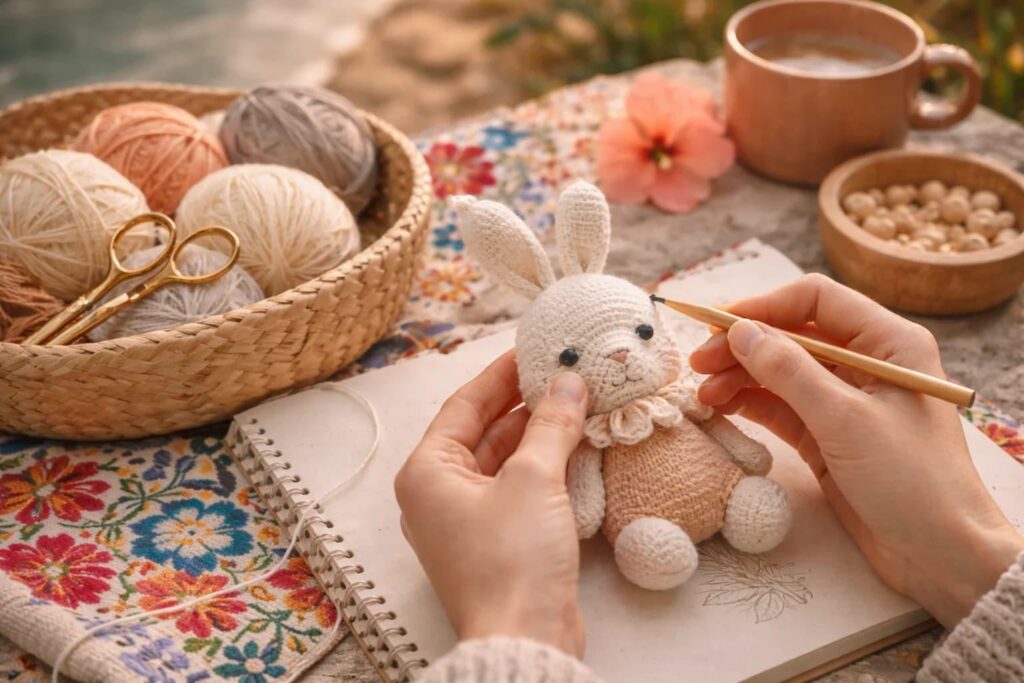
‘How to Crochet a Woolen Rabbit’ offers benefits far beyond creating beautiful handmade toys. It encourages patience, improves concentration, and provides a relaxing escape from the stresses of everyday life. Many people find the repetitive motion of crocheting calming, almost like a form of meditation.
It also enhances hand-eye coordination and fine motor skills while allowing endless creative expression through colors, textures, and designs. Handmade crochet gifts carry sentimental value that store-bought items simply cannot match.
Most importantly, crocheting gives you the satisfaction of creating something entirely with your own hands. Every finished project becomes a reminder of your creativity, dedication, and personal growth.
Whether you’re making adorable woolen rabbits, cozy blankets, or decorative accessories, crochet is a hobby that combines relaxation with creativity. It’s affordable, easy to learn, and suitable for all ages. So pick up your hook, choose your favorite yarn, and enjoy the journey—one stitch at a time.