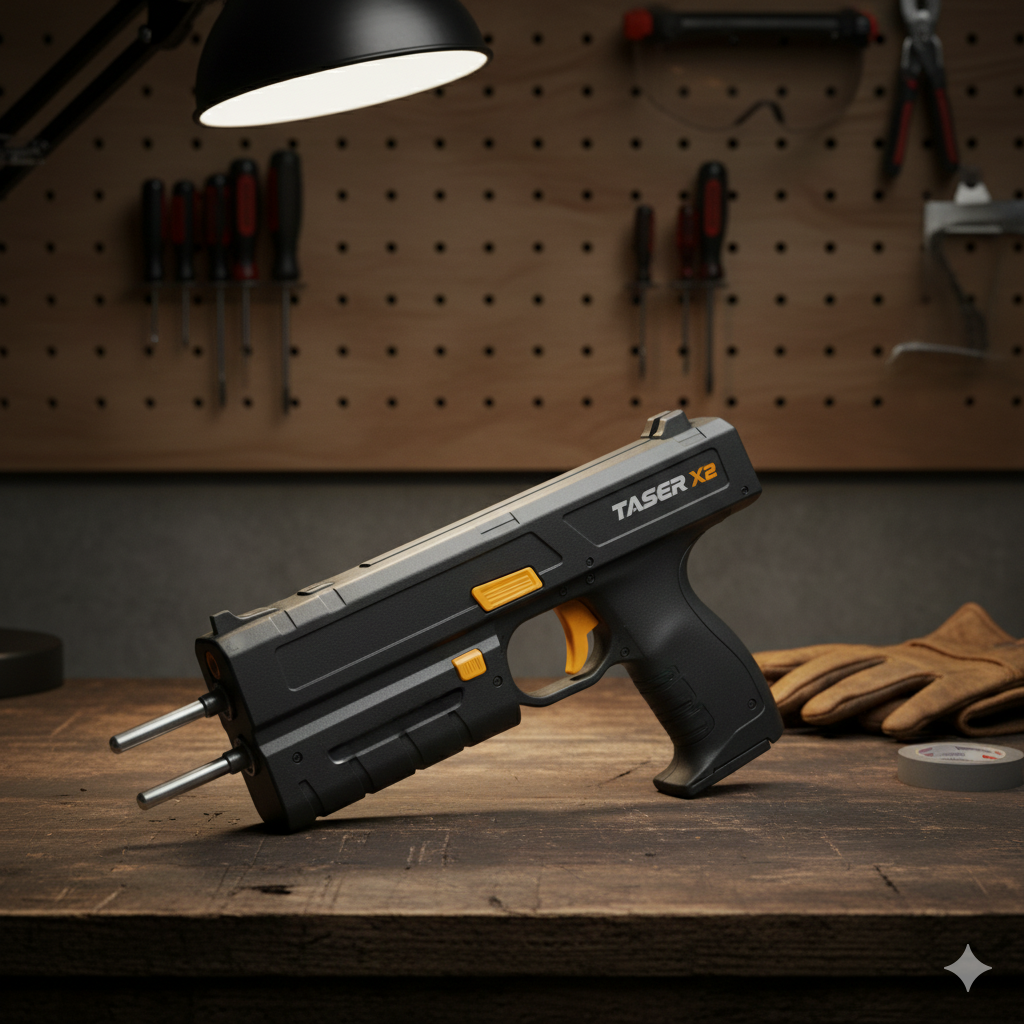
The landscape of recreational shooting and tactical sports has undergone a massive transformation in recent years. For decades, the air gun was the undisputed king of the backyard, serving as the primary tool for target practice and small pest control. However, a new contender has surged in popularity across South Africa: the Gel Blaster.
While they may appear similar at a glance, these two platforms serve very different purposes. One is a precision instrument designed for accuracy and power, while the other is a high-energy, social sport designed for tactical simulation and safe competitive play. In this guide, we will explore the mechanics, uses, and legalities of both, helping you decide which is the right fit for your lifestyle.
The Precision of the Air Gun: A Timeless Classic
The air gun (often referred to as a pellet rifle) is an essential tool for any marksman. Whether you are a beginner learning the fundamentals of firearm safety or a seasoned shooter refining your long-range accuracy, the air gun provides a level of precision that few other recreational tools can match.
1. The Mechanics of Power
Air guns generally operate using one of three primary power sources:
- Spring-Piston: The classic “break-neck” action where a heavy spring is compressed and released to fire a pellet.
- CO2 Powered: Uses 12g or 88g carbon dioxide canisters to provide semi-automatic fire.
- PCP (Pre-Charged Pneumatic): The modern gold standard, using a high-pressure air reservoir to deliver incredible consistency and power.
2. Applications: Target and Utility
Air guns are primarily used for “plinking” (casual target shooting) and competitive silhouette shooting. Because they fire lead or alloy pellets at high velocities, they are also highly effective for small game hunting and farm-based pest control. The rifled barrels of these guns ensure that, with the right ammunition, you can achieve “hole-in-hole” accuracy at distances of 30 meters or more.
The Rise of the Gel Blaster: Tactical Fun for Everyone
If the air gun is a scalpel, the gel blaster gun is a paintbrush. Born from the desire for a safer, less painful alternative to paintball and a more accessible version of airsoft, gel blasters have taken the South African market by storm under brands like Gel Shot.
1. What is a Gel Blaster?
Gel blasters fire small, super-absorbent polymer beads (often called “gellets” or “water beads”). These beads start as tiny dry seeds and must be soaked in water for several hours until they expand to roughly 7-8mm. They are composed mostly of water, making them biodegradable and environmentally friendly.
2. The Gameplay Experience
Unlike air guns, which are often used for solo practice, gel blasters are designed for team-based tactical games. Because the impact is significantly lighter than a lead pellet or a paintball, players can engage in “Close Quarters Battle” (CQB) simulations without the need for heavy, expensive armor. A simple pair of safety goggles is usually enough to join the fray.
Comparing the Two: Which One Should You Choose?
Deciding between an air gun and a gel blaster depends entirely on your goals.
Accuracy vs. Rate of Fire
If your goal is to hit a coin-sized target from across your garden, the air gun is the clear winner. The rifled barrel and aerodynamic pellets are built for stability. However, if you want to experience the thrill of semi-automatic or fully automatic fire in a tactical “skirmish,” the gel blaster is unmatched. Most gel blasters feature high-capacity magazines that allow you to fire hundreds of rounds before needing to reload.
Safety and Environment
Air guns require a solid backstop, as lead pellets can travel hundreds of meters and cause significant damage or injury. They are tools that require strict discipline and adult supervision. Gel blasters, on the other hand, are much more forgiving. When a gel bead hits a target, it bursts and begins to evaporate. There is no lead residue left in your garden, and the risk of accidental property damage is significantly lower.
Maintenance and Upkeep
Both platforms require care to ensure longevity, but the types of maintenance differ:
- Air Gun Maintenance: Requires regular barrel cleaning to prevent lead buildup, lubrication of seals (especially in CO2 and PCP models), and occasional checking of the spring tension.
- Gel Blaster Maintenance: Focuses on the battery and the hydration of the ammo. You must ensure the battery is charged correctly and that your gel beads are fully hydrated. Storing “wet” beads in a sealed container is essential to keep them from shrinking.
Conclusion
The world of shooting sports is big enough for both of these incredible tools. The air gun remains the definitive choice for those who value the discipline of marksmanship, the pursuit of precision, and the utility of pest control. Meanwhile, the gel blaster has opened the door for a new generation of players to enjoy tactical, high-energy games in a safe and eco-friendly way.
Whether you are looking to sharpen your aim with a pellet rifle or lead your team to victory in a gel-shot arena, the most important thing is to enjoy the sport responsibly. Always wear eye protection, respect your surroundings, and follow local regulations.
Frequently Asked Questions (FAQ)
1. Can I use gel beads in my air gun?
No. Air guns are designed for specific calibers (usually 4.5mm or 5.5mm) and use high-pressure air to fire solid pellets. Gel beads are 7-8mm, soft, and wet. Attempting to fire them from an air gun will likely damage the internal seals and barrel of the rifle.
2. Are gel blasters legal in South Africa?
Yes, gel blasters are legal in South Africa and are generally classified as toys or recreational sporting goods. However, because many models are designed to look like real firearms (REPs), it is vital to never brandish them in public spaces, as this can lead to dangerous misunderstandings with law enforcement.
3. Do gel beads hurt when they hit you?
The sensation is often described as a light flick or a quick “sting” that disappears almost instantly. It is significantly less painful than paintball or airsoft. Most players find that wearing a long-sleeved shirt is more than enough protection for a day of play.
4. How long do I need to soak the gel beads?
For optimal performance, you should soak your gel beads in clean water for at least 4 hours. If they are not fully hydrated, they will be too small for the blaster’s firing mechanism, which can lead to “dry firing” or poor velocity.
5. Can I use an air gun for self-defense?
While air guns are powerful, they are not recommended for self-defense. They are sporting tools designed for accuracy. In a high-stress defensive situation, they lack the immediate stopping power and reliability of dedicated non-lethal self-defense weapons like pepper spray or stun guns.
6. Where is the best place to use these guns?
Air guns should only be used on private property with a safe backstop or at a designated shooting range. Gel blasters are best used in your backyard (away from public view) or at dedicated tactical gaming arenas that facilitate gel-ball skirmishes.