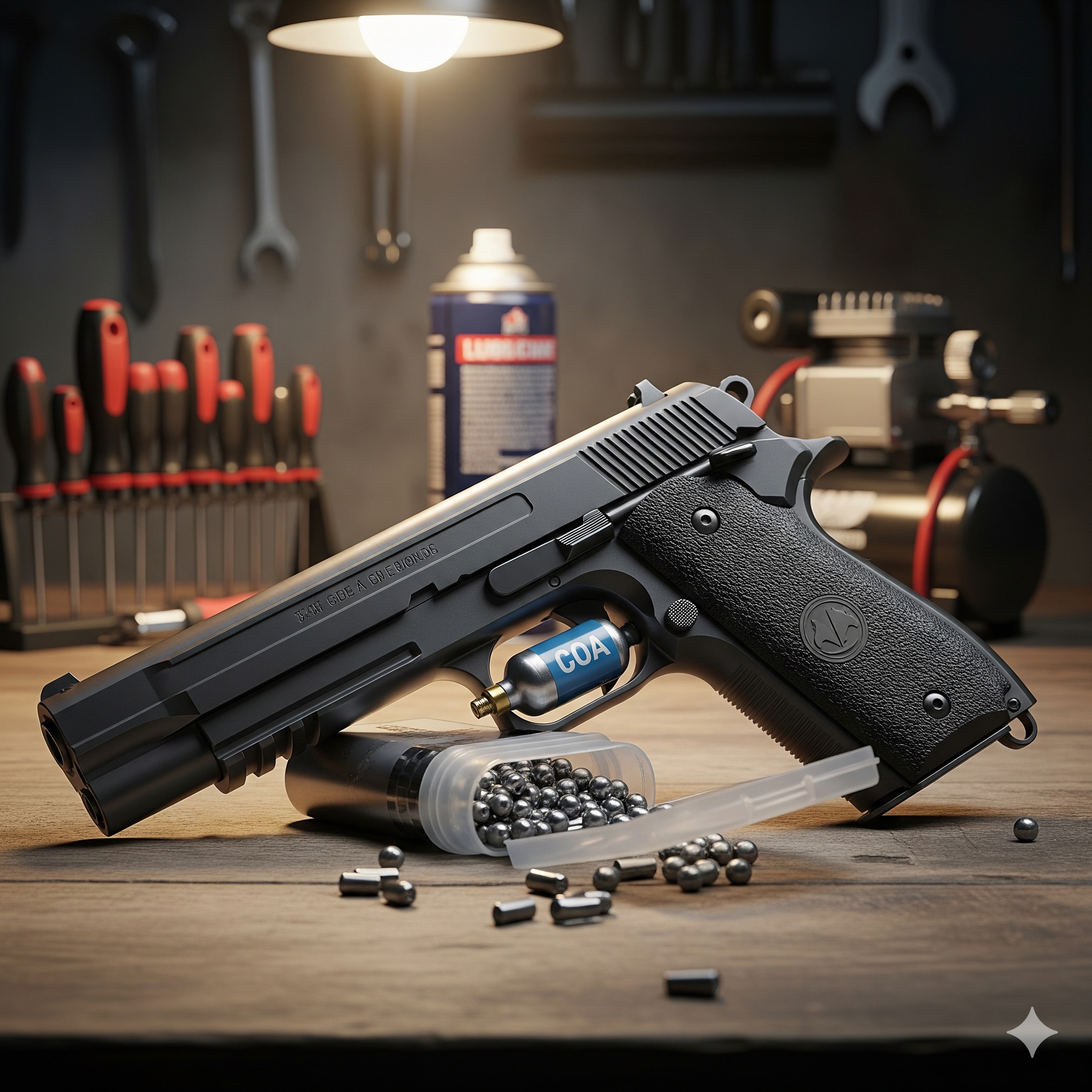
The landscape of modern outdoor recreation and hobbyist collecting is shifting toward gear that blends high-performance functionality with a distinct aesthetic flair. Two of the most talked-about categories in this space are gel blasters and specialized fixed-blade knives. While one offers a high-energy, competitive team sport experience, the other provides the rugged reliability of a survival tool—often with a bold, “undead-ready” design.
Whether you are looking to dominate a weekend skirmish or add a striking piece of hardware to your tactical kit, understanding the mechanics, safety, and culture behind these tools is key. In this guide, we’ll explore how to choose the right gear and why these two seemingly different worlds often appeal to the same adventurous spirit.
The New Wave of Competitive Play: Gel Blasters
If you enjoy the adrenaline of paintball or airsoft but prefer a cleaner, more accessible alternative, the gel blaster is your answer. These devices have exploded in popularity across South Africa and the globe, offering a tactical experience that is as fun as it is competitive.
1. What is a Gel Blaster?
A gel blaster is a toy-grade or hobby-grade launcher that fires “Gellets”—small, water-hydrated beads. These beads start as tiny dry seeds and, after soaking in water for a few hours, grow into soft, biodegradable projectiles. Because they are 95% water, they burst on impact, leaving no mess and requiring minimal cleanup compared to paint-filled rounds.
2. Why Choose the Gel Shot Brand?
When it comes to reliability and performance, the gel blaster gun range stands out. These blasters are built to handle the rigors of rapid-fire gameplay. Unlike entry-level toys, higher-tier models offer:
- High Rates of Fire: Capable of emptying a magazine in seconds.
- Electric Power: Rechargeable batteries that keep you in the game longer.
- Customization: Rail systems for adding optics, torches, and grips.
3. The “Eco-Friendly” Advantage
One of the biggest selling points for gel blasters is their environmental impact. Since the ammo is biodegradable and non-toxic, you can play in your garden or a local field without worrying about polluting the area with plastic BBs or oil-based paint.
Survival Reimagined: The Fixed Blade Revolution
While gel blasters represent the “play” side of tactical gear, a fixed-blade knife represents the “utility” side. In recent years, a sub-culture of “zombie-themed” or “fantasy-tactical” knives has emerged, combining high-carbon steel with neon-green accents and aggressive blade shapes.
1. The Power of the Fixed Blade
Unlike folding knives, fixed blades have no moving parts. This makes them inherently stronger and better suited for heavy-duty tasks like batoning wood, clearing brush, or preparing a campsite. A fixed blade won’t “fold” on your fingers under pressure, making it the preferred choice for survivalists.
2. The Allure of the “Zombie” Aesthetic
For many collectors, a knife is a statement piece. The zombie knife aesthetic—characterized by “biohazard” symbols and jagged “tiger” serrations—is incredibly popular. But don’t let the flashy looks fool you; many of these knives, such as those in the Z-Hunter series, are crafted from durable stainless steel and feature ergonomic grips that are functional in any real-world outdoor scenario.
3. Practical Uses for Modern Blades
Aside from being conversation starters, these knives are practical tools. A thick, fixed-blade knife is essential for:
- Self-Defense: As a last-resort deterrent in remote areas.
- Bushcraft: Trimming branches or making tinder.
- Emergency Rescue: Cutting through thick materials or prying items open in a survival situation.
Integrating Your Tactical Gear: A Shared Mindset
Why do people who like gel blasters often collect tactical knives? It’s about the tactical lifestyle. This mindset values preparedness, skill-building, and the enjoyment of high-quality mechanical tools.
- Training: Using a gel blaster improves your movement, communication, and situational awareness.
- Utility: Carrying a fixed blade ensures that you are never “stuck” without a way to cut or repair your gear.
- Community: Both hobbies have vibrant communities where enthusiasts share tips on maintenance, modifications, and safe usage.
Safety and Responsibility
As with any tool or launcher, safety is paramount.
- Eye Protection: Always wear goggles when using a gel blaster. Even though the beads are soft, a direct hit to the eye can cause injury.
- Blade Awareness: Treat every knife as a sharp tool. Keep it in its sheath when not in use and never use a blade for a task it wasn’t designed for (like prying with a thin tip).
- Local Laws: In South Africa, these items are legal for recreational and utility use, but brandishing them in a way that threatens the public is a serious offense.
Conclusion
The world of tactical gear is diverse, ranging from the high-speed fun of a Gel Shot blaster to the rugged, stylized reliability of a Z-Hunter fixed blade. Whether you are looking to enhance your backyard games or secure a reliable tool for your next camping trip, investing in quality gear ensures you have the best experience possible. Embrace the fun, respect the utility, and always prioritize safety in your tactical adventures.
Frequently Asked Questions (FAQ)
1. Do gel blasters hurt when you get hit?
A hit from a gel blaster is often described as a “slight sting,” similar to being flicked with a rubber band. It is significantly less painful than paintball or high-velocity airsoft. However, hits on bare skin from a close distance can leave a small red mark, so wearing long sleeves is recommended for younger players.
2. How long do I need to soak the gel beads?
For maximum performance, you should soak your gel beads in water for at least 4 hours. If they are not fully hydrated, they may not feed correctly into the blaster or may lack the weight needed for accurate flight. Always drain excess water before loading them into your magazine.
3. What makes a “zombie knife” different from a standard survival knife?
The primary difference is aesthetic. “Zombie” knives typically feature bright green or red color schemes, “biohazard” logos, and more aggressive, serrated blade designs inspired by pop culture. However, many are still made from functional materials like 440C stainless steel, making them just as capable as traditional-looking knives.
4. Is a fixed blade better than a folding knife for camping?
Yes, for heavy-duty tasks. A fixed blade is one solid piece of steel that runs into the handle (full tang), making it much stronger for tasks like chopping or prying. A folding knife is more portable for “everyday carry,” but the pivot point is a structural weakness that can fail under extreme stress.
5. Are gel blasters legal to use in public parks?
In most jurisdictions, including South Africa, you should avoid using gel blasters in public parks or streets. They can be mistaken for real firearms from a distance, which can cause public alarm or lead to police intervention. It is best to use them on private property or at dedicated tactical arenas.
6. Can I sharpen a zombie-style fixed blade?
Absolutely. Despite their unique shapes, most of these knives are made from standard knife steels that can be sharpened with a whetstone or a ceramic pull-through sharpener. Regular maintenance will keep the blade ready for any survival or utility task.