In 2026, more Australian drivers are comparing vehicle wrapping and traditional repainting before changing the appearance of their cars. Both options can dramatically transform a vehicle, but they differ heavily in cost, flexibility, durability, and long-term value.
As wrapping technology continues improving, many vehicle owners now see vinyl wrapping as more than just a styling trend. It has become a practical solution for paint protection, resale preservation, and non-permanent customisation.
According to PROvinyl, professional full wraps in Sydney and the Gold Coast typically start from around $3,000 and can range between $6,000–$7,000+ depending on the vehicle, vinyl type, and finish selected.
Understanding the true cost of wrapping a car compared to repainting helps drivers make smarter long-term decisions based on appearance goals, resale value, and vehicle protection.
So which option actually offers better value in 2026?
What Is a Full Car Wrap?
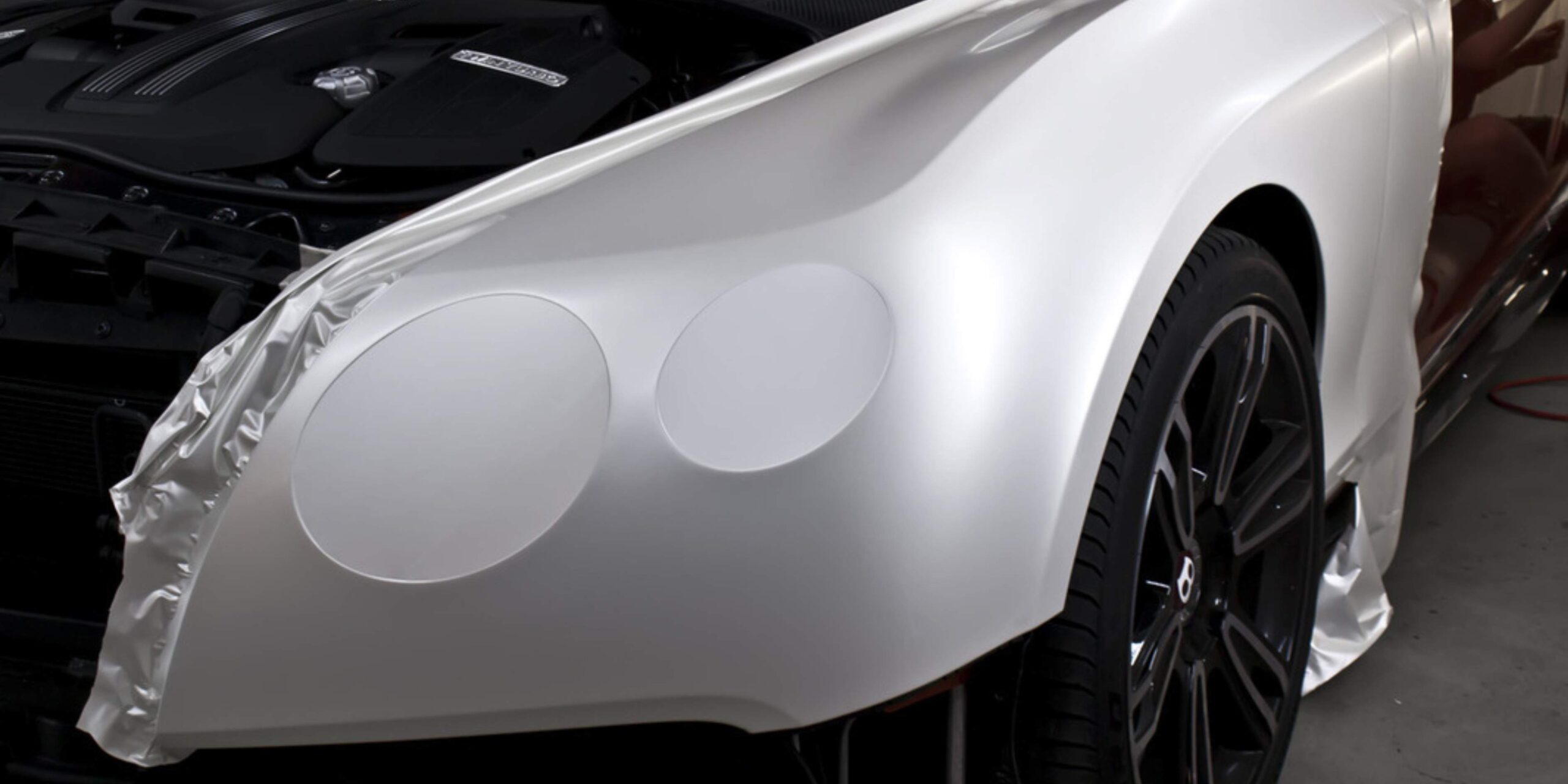
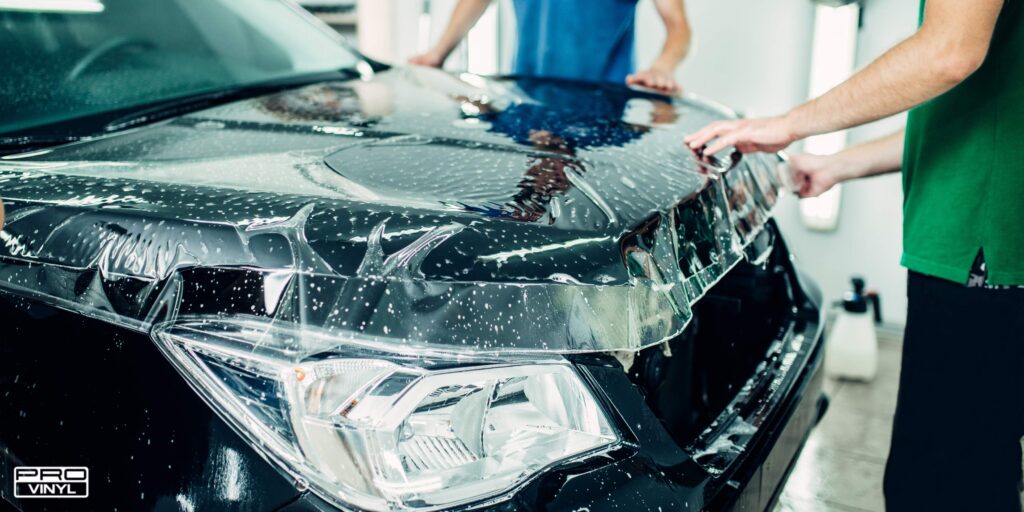
A full vehicle wrap involves applying premium vinyl film over the painted exterior of the vehicle.
Modern wraps are available in finishes such as:
- Gloss
- Satin
- Matte
- Carbon fibre
- Metallic
- Chrome
- Colour-shifting effects
Unlike repainting, wrapping is removable and non-permanent, allowing drivers to customise appearance while still preserving factory paint underneath.
This flexibility is one of the main reasons wrapping continues growing across Australia.
What Does a Full Car Wrap Cost in 2026?
Based on current pricing from PROvinyl, full wraps generally fall within these ranges:
| Vehicle Type | Estimated Wrap Cost |
|---|---|
| Small hatchback | From $3,000 |
| Mid-size sedan | From $3,500 |
| SUV / 4WD | From $4,000–$5,000 |
| Luxury or sports car | From $5,000–$7,000+ |
| Chrome or specialty finishes | Additional $1,500–$3,000 |
For example, PROvinyl notes that a BMW 3 Series wrapped in standard Avery Dennison gloss film costs around $3,500, while the same vehicle wrapped in Chrome Gold can reach approximately $6,500.
The largest pricing factors include:
- Vehicle size
- Vinyl quality
- Finish selection
- Installation complexity
- Surface preparation
- Installer experience
What Does a Professional Paint Job Cost?
Professional paint pricing varies even more than wrapping.
A basic repaint may start around $3,000, while high-quality paint correction and resprays for luxury or prestige vehicles can exceed $10,000.
Paint costs depend on:
- Vehicle size
- Paint quality
- Body preparation
- Existing damage
- Labour time
- Paint system complexity
Luxury paintwork usually costs significantly more because of advanced finishes and preparation requirements.
Why Many Drivers Choose Wrapping Over Paint
Flexibility and Reversibility
One of the biggest advantages of wrapping is flexibility.
A wrap can usually be removed professionally later, allowing owners to:
- Return to factory colour
- Update styling trends
- Sell the vehicle more easily
- Protect original paint
Paint, however, is permanent.
Changing your mind after repainting often requires another expensive repaint process.
Paint Protection Is a Major Advantage
A professionally installed wrap acts as a protective barrier between the environment and factory paint.
This helps reduce damage from:
- UV exposure
- Stone chips
- Minor scratches
- Bird droppings
- Road debris
- Tree sap
Australia’s harsh UV conditions make paint preservation especially important.
Many drivers now choose wrapping specifically to help maintain resale value and factory paint condition long term.
Why Premium Wraps Cost More
Not all wraps deliver the same results.
Premium wrapping specialists such as PROvinyl use higher-grade materials such as Avery Dennison films, which offer stronger durability and cleaner finishes.
Premium installations focus heavily on:
- Surface preparation
- Precision alignment
- Edge finishing
- Long-term durability
- UV resistance
Cheaper wraps may initially save money but often lead to problems such as:
- Bubbling
- Peeling
- Fading
- Cracking
- Shorter lifespan
This is one reason many luxury vehicle owners avoid low-cost installations.
Why Paint Still Has Advantages
Although wrapping has become extremely popular, paint still offers some benefits in certain situations.
Professional paint may suit drivers who:
- Want permanent colour changes
- Prefer factory paint appearance
- Are restoring classic vehicles
- Need major body repairs completed simultaneously
High-end paint jobs can also provide deeper finish consistency when completed to extremely high standards.
However, quality paintwork usually requires more downtime and significantly higher labour costs.
Which Option Lasts Longer?
Modern premium wraps generally last between three and seven years depending on:
- Maintenance
- UV exposure
- Storage conditions
- Vinyl quality
Professional paint can last much longer, but maintaining perfect paint condition often requires polishing, correction work, and ongoing detailing over time.
Wraps provide the advantage of removability and replaceability once styling preferences change.
Luxury Cars Often Prefer Wrapping
Luxury and performance vehicle owners increasingly choose wrapping because preserving original factory paint is extremely important for resale value.
Many prestige vehicle owners want:
- Paint protection
- Unique styling
- Satin or matte finishes
- Non-permanent modifications
Wrapping allows owners to customise appearance without permanently affecting the original finish.
This trend is especially common among owners of:
- Tesla
- Porsche
- Lamborghini
- BMW M models
- Mercedes-AMG vehicles
Social Media Is Influencing Vehicle Styling
Social media has heavily influenced automotive styling trends in 2026.
Platforms like Instagram and TikTok regularly showcase:
- Matte supercars
- Satin luxury SUVs
- Colour-shifting wraps
- Chrome delete styling
- Vehicle transformation videos
These trends continue increasing demand for custom wrapping solutions rather than permanent paint modifications.
Why Installer Experience Matters
Whether choosing paint or wrapping, workmanship quality is critical.
Professional wrapping requires:
- Precision application
- Heat control techniques
- Surface preparation
- Clean edge finishing
Poor installation may result in:
- Visible seams
- Peeling edges
- Uneven alignment
- Bubbles
Many online discussions also highlight that cheaper wrapping jobs often lead to disappointing long-term results.
Choosing experienced installers generally provides better long-term value than focusing only on upfront pricing.
Is Wrapping Better Value Than Paint?
For many modern drivers, yes.
Wrapping often provides stronger short-to-medium-term value because it combines:
- Custom styling
- Paint protection
- Flexibility
- Easier resale preparation
- Lower permanent risk
For commercial vehicles, wrapping also allows businesses to update branding without repainting entire fleets.
This versatility is one reason wrapping continues growing rapidly across Australia.
Frequently Asked Questions
How Much Does a Full Car Wrap Cost in Australia?
Professional full wraps generally start around $3,000 and may exceed $7,000 depending on vehicle size and finish selection.
Is Wrapping Cheaper Than Painting?
In many cases, yes. High-quality paint jobs often cost as much or more than premium wraps.
How Long Does a Car Wrap Last?
Premium wraps usually last between three and seven years with proper maintenance.
Can Wraps Protect Factory Paint?
Yes. Wraps help protect paint from UV exposure, scratches, and road debris.
Why Are Chrome Wraps More Expensive?
Chrome films cost more because the material is harder to install and requires greater precision.
Can Wraps Be Removed Safely?
Professional removal usually protects the original paint underneath.
Why Do Luxury Vehicle Owners Prefer Wraps?
Wrapping allows luxury owners to customise appearance while preserving factory paint and resale value.
Is Cheap Wrapping Worth It?
Low-cost wraps often use lower-grade materials that may peel, fade, or crack much faster.
Final Words
In 2026, both wrapping and repainting remain popular ways to transform vehicle appearance, but wrapping continues gaining momentum because of its flexibility, paint protection benefits, and long-term practicality.
For many Australian drivers, wrapping provides the ideal balance between styling, reversibility, and value preservation. While premium wrapping may still require significant investment, the ability to protect original paint while achieving unique finishes makes it an increasingly attractive alternative to permanent repainting.
As vinyl technology and installation quality continue improving, wrapping will likely remain one of the strongest automotive customisation trends for years to come.
Home