A good night’s sleep plays an essential role in maintaining overall wellbeing. It supports mental clarity, emotional balance, physical recovery, and the ability to manage everyday responsibilities with greater ease. However, many adults occasionally experience restless nights because of demanding schedules, prolonged stress, physical fatigue, or irregular daily routines. Alongside healthy sleep habits, some people choose complementary wellness practices that encourage relaxation and help the body settle naturally. Foot reflexology is one such practice that continues to attract interest for its calming experience and its possible connection with improved sleep quality.
Many people searching for Foot Reflexology in Chennai are interested in understanding whether this wellness practice can contribute to better sleep. Current scientific evidence suggests that foot reflexology may promote relaxation, reduce feelings of stress, and support a calmer state of mind for some adults. Although it is not a medical treatment for insomnia or other sleep disorders, it may complement healthy lifestyle habits that encourage consistent and restorative sleep.
Can Foot Reflexology Support Better Sleep?
Research indicates that the greatest benefit of foot reflexology may come from its ability to help the body relax. Relaxation is an important part of preparing for sleep because physical tension and mental stress can make it difficult to settle comfortably. When the body begins to feel calm, natural sleep processes may become easier to maintain.
Several clinical studies have explored the relationship between reflexology and sleep quality. While the findings vary, some research has reported improvements in perceived sleep quality, reduced anxiety, and greater relaxation following reflexology sessions. Researchers generally believe these effects are connected to the body’s natural relaxation response rather than direct treatment of a specific sleep condition. As a result, reflexology is commonly viewed as a complementary wellness practice rather than a replacement for medical care.
Understanding How Foot Reflexology Works
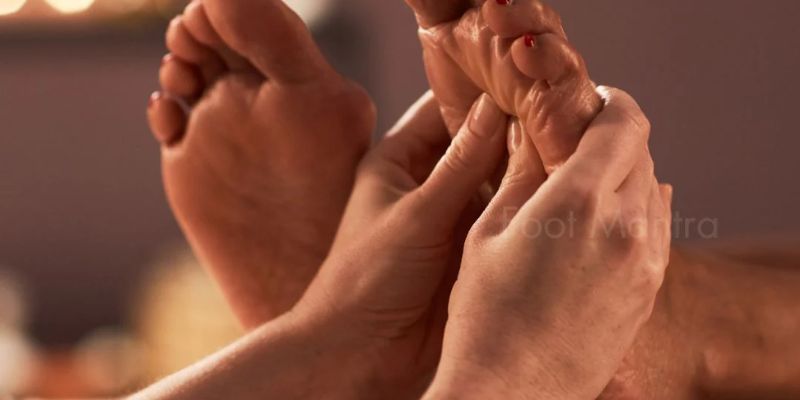
Foot reflexology is a structured wellness practice in which trained practitioners apply controlled pressure to specific areas of the feet. Unlike a general foot massage that focuses mainly on easing muscle tension, reflexology follows established reflex maps that associate different regions of the feet with various parts of the body.
The goal of a session is to encourage overall relaxation and create a sense of balance throughout the body. Many individuals describe feeling mentally refreshed and physically lighter after their session, even though experiences naturally differ from person to person. This calming effect is one reason reflexology is often included in personal wellness routines.
The Connection Between Relaxation and Sleep Quality
Sleep depends on more than simply feeling tired. The body also needs an environment that supports relaxation. When stress remains elevated throughout the day, the nervous system may stay active for longer than necessary, making it more difficult to transition into restful sleep.
Relaxation practices help shift the body toward a calmer state. Gentle breathing exercises, reading, light stretching, and quiet evening routines are commonly recommended for this reason. Foot reflexology may complement these habits by providing a peaceful experience that encourages both physical comfort and emotional calmness.
Someone exploring Foot Reflexology in Velachery may view it as one part of a broader wellness routine that includes consistent sleep schedules, balanced nutrition, regular physical activity, and effective stress management rather than expecting immediate changes from a single session.
What Scientific Studies Have Found
Although research on reflexology continues to develop, several studies have produced encouraging observations. Participants in certain clinical settings have reported improvements in relaxation, reduced stress levels, and better overall sleep quality after receiving reflexology sessions. These findings are especially common among adults experiencing temporary stress or physical fatigue.
Researchers also note that positive experiences may be influenced by several factors working together. Spending uninterrupted time in a peaceful environment, receiving focused care, and temporarily stepping away from daily responsibilities may all contribute to an increased sense of wellbeing. Because these factors differ between individuals, the results of reflexology can vary.
At the same time, scientists agree that more large scale studies are needed before definitive conclusions can be made regarding its direct effect on sleep disorders. Current evidence supports reflexology as a complementary wellness approach rather than a proven clinical treatment for chronic insomnia.
Why Some Adults Feel More Rested Afterwards
Many people report feeling refreshed following a reflexology session even if they do not immediately notice changes in their sleep pattern. One possible reason is that relaxation allows both the mind and body to release accumulated tension from the day. As muscles begin to feel more comfortable and breathing becomes steadier, individuals may experience an overall sense of calm that continues into the evening.
Another important factor is consistency. Wellness practices often produce their greatest benefits when they become part of a balanced lifestyle rather than isolated experiences. Maintaining regular sleep times, limiting caffeine later in the day, reducing unnecessary screen exposure during the evening, and creating a peaceful sleeping environment all contribute to healthy sleep habits. Reflexology may fit naturally within these routines for adults who enjoy relaxation based therapies.
Choosing Reflexology as Part of a Wellness Routine
Adults experiencing everyday stress, long working hours, or occasional physical fatigue often look for ways to improve their overall wellbeing without making major lifestyle changes. Reflexology offers an opportunity to pause, relax, and focus on personal comfort in a calm setting.
Individuals interested in Foot Reflexology in Anna Nagar often include it within broader self care practices that also prioritise hydration, moderate exercise, balanced nutrition, and regular sleep schedules. Rather than expecting reflexology to solve sleep difficulties on its own, many people value it as one supportive element of a healthier routine.
Persistent sleep problems, frequent nighttime waking, loud snoring, breathing interruptions during sleep, or ongoing daytime exhaustion should always be assessed by a qualified healthcare professional because these symptoms may indicate conditions that require proper medical evaluation.
Foot reflexology continues to receive attention because of its relaxing nature and the growing interest in non invasive wellness practices that support everyday wellbeing. Current scientific evidence suggests that reflexology may help some adults experience greater relaxation and improved sleep quality by encouraging a calmer physical and emotional state. However, it should not be viewed as a treatment for diagnosed sleep disorders or other medical conditions.
For adults seeking a gentle way to unwind after demanding days, foot reflexology may be a valuable addition to healthy lifestyle habits that already support restorative sleep. When combined with consistent routines, effective stress management, and good sleep hygiene, it can become part of a balanced approach to overall wellbeing while allowing each individual to discover what works best for their own relaxation needs.