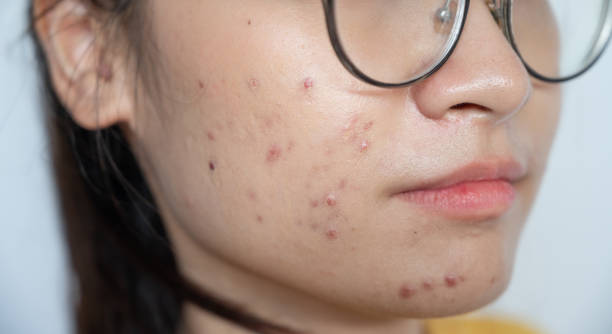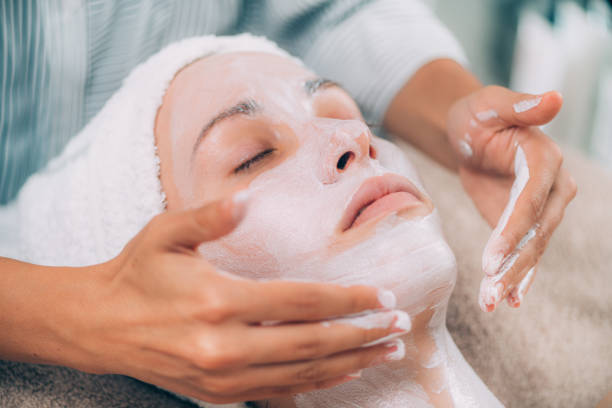
Uneven skin tone can make the complexion appear patchy, dull, or less radiant. It may develop due to sun exposure, post-acne marks, accumulated dead skin cells, or changes in pigmentation. A glycolic acid peel is a professional exfoliating treatment that uses glycolic acid, an alpha hydroxy acid (AHA), to loosen dead cells on the skin’s surface. glycolic acid peel may be considered by people who want to improve the appearance of superficial discoloration and achieve a smoother, more balanced-looking complexion.
How Does Glycolic Acid Improve Uneven Skin Tone?
Glycolic acid works by weakening the bonds between dead skin cells, allowing them to shed more easily. This controlled exfoliation can remove surface buildup and reveal fresher-looking skin underneath. When uneven tone is partly related to accumulated pigmented cells on the surface, glycolic acid may help create a more uniform appearance over time.
Removing Surface Pigmentation
Some discoloration is concentrated within the outer layers of the skin. Glycolic acid can encourage the shedding of these surface cells, which may gradually reduce the appearance of mild uneven pigmentation.
Supporting Skin Renewal
Exfoliation helps older surface cells shed as part of the skin renewal process. This can reveal newer-looking skin and contribute to a brighter and more consistent complexion when the treatment is appropriately performed.
What Causes Uneven Skin Tone?
Understanding the cause of uneven tone is important because not every pigmentation concern responds in the same way to exfoliation. Several factors can contribute to changes in complexion.
Sun Exposure
UV exposure can stimulate pigmentation and contribute to an uneven complexion. Long-term sun exposure can also lead to dullness and visible signs of premature skin aging.
Post-Acne Marks
Dark marks can remain after acne has healed. These marks may gradually fade, but controlled exfoliation can sometimes help improve their appearance.
Dead Skin Cell Buildup
When dead cells accumulate on the skin’s surface, the complexion may look dull and uneven. Glycolic acid can help remove this buildup and reveal fresher-looking skin.
Benefits of Glycolic Acid Peel for Uneven Skin Tone
A professionally performed glycolic acid peel may provide several cosmetic benefits when uneven tone is caused by superficial concerns. Glycolic Acid Peel in Riyadh can be included in a personalized skincare plan for people seeking improvement in dullness, surface discoloration, and uneven texture.
More Even-Looking Complexion
Controlled exfoliation can help reduce the appearance of surface discoloration and reveal fresher-looking skin. This may make the complexion appear more balanced.
Brighter-Looking Skin
Removing accumulated dead cells can improve the skin’s surface and help create a more radiant appearance. The skin may look fresher as the outer layer becomes smoother.
Improved Skin Texture
Uneven tone often appears more noticeable when the skin surface is rough. Glycolic acid can help smooth superficial texture, creating a more refined-looking complexion.
What Happens During a Glycolic Acid Peel?
The treatment generally begins with cleansing the skin to remove oil, makeup, and impurities. A practitioner then applies a carefully selected glycolic acid formulation to the treatment area. Mild tingling or warmth may occur during application. The solution is removed or neutralized according to the treatment protocol, followed by appropriate soothing and protective skincare.
Why Professional Assessment Matters
The concentration and exposure time of glycolic acid should be selected according to individual skin characteristics. A stronger peel is not automatically more effective. Professional assessment helps determine whether the treatment is appropriate and how it should be performed.
What Results Can You Expect?
Results vary depending on the cause and severity of uneven skin tone. Some people may notice a fresher appearance after the skin settles, while more noticeable improvements can develop gradually with an appropriate treatment plan.
Superficial Discoloration
Glycolic acid may be particularly useful when discoloration is concentrated near the skin’s surface. Controlled exfoliation can help reduce the appearance of pigmented surface cells.
Deeper Pigmentation
Not all pigmentation responds equally to surface exfoliation. Deeper or persistent pigmentation may require alternative or combination treatments. A professional evaluation can help identify the most suitable approach.
What Should You Expect After Treatment?
Temporary redness, dryness, tightness, or mild peeling can occur after a glycolic acid peel. These effects depend on the strength of the treatment and individual skin sensitivity. As the skin recovers, it may gradually appear smoother and more radiant.
Avoid Picking or Scratching
If peeling occurs, allow the skin to shed naturally. Picking or pulling at flaking skin can increase irritation and may contribute to unwanted discoloration.
Keep the Skin Hydrated
A suitable moisturizer can help reduce dryness and support the skin barrier. Follow the aftercare recommendations provided by your practitioner.
Why Is Sun Protection Important?
Sun exposure can contribute to pigmentation and may make uneven tone more noticeable. Protecting the skin from UV radiation is especially important after exfoliation because recently treated skin can be more sensitive.
Use Broad-Spectrum Sunscreen
Daily broad-spectrum sunscreen can help protect the skin from UVA and UVB exposure. Reapplication may be necessary when spending extended time outdoors.
Limit Direct Sun Exposure
Seeking shade and using protective clothing can provide additional protection. Avoid prolonged direct sunlight during the initial recovery period according to your practitioner’s advice.
How Often Can Glycolic Acid Peels Be Performed?
Treatment frequency depends on skin type, sensitivity, the strength of the peel, and the specific pigmentation concern. Some people may benefit from a professionally planned series, while others may require longer intervals between treatments. Over-exfoliating can irritate the skin, so treatments should be appropriately spaced.
Is Glycolic Acid Suitable for Everyone?
Although glycolic acid can be useful for many skin types, it is not appropriate for every situation. People with active irritation, sunburn, certain skin conditions, or highly sensitive skin may need to postpone treatment. Individuals prone to pigmentation changes may also require a carefully selected treatment approach.
How Can You Maintain a More Even Skin Tone?
A consistent skincare routine can support the appearance of treatment results. Gentle cleansing, adequate hydration, regular sun protection, and avoiding unnecessary irritation can help maintain healthier-looking skin.
Avoid Excessive Exfoliation
Using several exfoliating products at the same time can increase irritation. Follow your practitioner’s advice regarding when to resume acids, scrubs, retinoids, or other active ingredients.
Maintain Sun Protection
Consistent UV protection is essential for preventing new pigmentation and supporting a more even-looking complexion over time.
Book an Appointment at Royal Clinic Saudia
If uneven tone, dullness, or superficial discoloration is affecting your complexion, Glycolic Acid Peel in Riyadh can be considered as part of a professionally guided skincare plan. Royal Clinic Saudia can assess your skin concerns and help determine whether this treatment is suitable for your individual needs.
FAQs:
Can glycolic acid improve uneven skin tone?
Yes, it may improve superficial discoloration and create a more even-looking complexion.
Does glycolic acid remove dark spots?
It may help reduce the appearance of superficial dark spots through controlled exfoliation.
How does glycolic acid brighten skin?
It removes accumulated dead skin cells and reveals fresher-looking skin underneath.
Is sunscreen necessary after a glycolic acid peel?
Yes, daily sun protection helps protect treated skin and reduce the risk of pigmentation.