Periods of continuous travel and tightly packed schedules often affect both physical comfort and mental clarity in ways that are not immediately noticeable. Long hours of movement, changes in sleeping environments, and constant task engagement can slowly build fatigue in the body. At the same time, the mind may remain active even after the day ends, which makes it harder to experience natural relaxation. When these patterns continue for several days, the sense of balance between body and mind can feel disrupted.
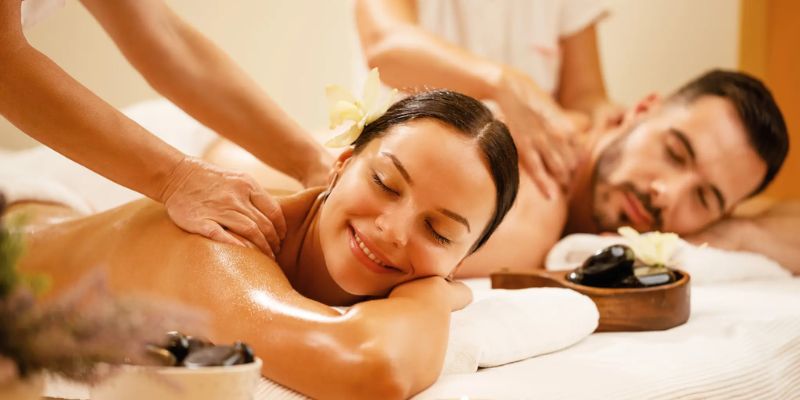
Recovery in such situations usually depends on allowing the body to return to a calm rhythm without pressure. One approach that is often discussed in wellness focused environments is Couple Massage in Chennai which is associated with shared relaxation experiences designed to help individuals unwind together in a calm and structured setting. It is generally understood as a method that supports easing physical tension while also encouraging emotional rest, especially after travel or busy routines that demand continuous attention.
Understanding how travel fatigue builds in the body
Travel fatigue does not come from a single cause but from a combination of physical strain and mental engagement over time. During long journeys, the body often remains in limited movement positions for extended periods. This reduces natural muscle flexibility, particularly in areas such as the shoulders, neck, and lower back. As circulation slows down in these regions, stiffness can gradually develop and become more noticeable once the journey ends.
Along with physical strain, mental fatigue plays an equally important role. Planning travel routes, adjusting to new environments, and managing time schedules keep the brain in an active state. Even when the journey is over, the mind may continue processing these experiences, making it difficult to fully relax. This delayed transition from activity to rest is one of the key reasons why travel fatigue feels deeper than ordinary tiredness.
How the body responds to shared relaxation environments
Shared relaxation environments are designed to help individuals experience calmness at the same time in a peaceful setting. When two people enter a relaxed state together, it often creates a sense of emotional alignment that supports overall comfort. The body naturally begins to slow down its internal activity, including breathing patterns and muscle tension responses.
This gradual slowing down allows the nervous system to shift from a highly active condition to a calmer state. As this transition happens, physical discomfort caused by travel or long working hours begins to reduce. The body finds it easier to release tightness, and this contributes to a more balanced feeling of rest. In many recovery routines, people explore Couple Massage in Velachery as part of their relaxation choices after travel, where the focus remains on allowing the body to settle naturally without external distractions or pressure.
Emotional distance caused by busy routines
Busy daily routines can sometimes create emotional distance between individuals, even when they are sharing the same responsibilities. Continuous work pressure, travel schedules, and personal commitments often reduce the time available for meaningful interaction. Over time, this can lead to a feeling of emotional disconnect, where communication becomes functional rather than expressive.
Shared relaxation experiences help address this condition by creating an environment where both individuals can pause together. Without external demands, the mind becomes more open to calm interaction and emotional awareness. This quiet space allows natural connection to return, which helps reduce the emotional strain that builds during busy periods. It also encourages a sense of mutual understanding that is often affected by routine fatigue.
Physical recovery and muscle relaxation process
The physical body responds to relaxation through a series of natural adjustments. When tension begins to reduce, muscle fibers slowly loosen, which improves comfort in areas that were previously strained during travel or prolonged activity. This process is not immediate but develops gradually as the body adapts to a calmer state.
Breathing also plays an important role in this recovery process. As relaxation deepens, breathing patterns become slower and more consistent, which helps improve oxygen flow throughout the body. This improved circulation supports overall physical comfort and reduces the feeling of heaviness that often follows long journeys. In certain routine wellness practices, people also consider Couple Massage in Anna Nagar as part of their recovery approach after busy schedules, where the experience is associated with helping the body transition from continuous activity into a more settled and relaxed condition.
Mental clarity and reduction of overstimulation
Mental fatigue often comes from continuous exposure to information, decisions, and environmental changes. When the brain remains in an overstimulated state for long periods, it becomes harder to focus or relax naturally. This is commonly experienced after travel or extended work routines where attention is constantly required.
Relaxation practices help reduce this overstimulation by allowing the mind to shift away from active processing. As mental activity slows down, clarity improves and thoughts become less scattered. This creates a more stable emotional state, which supports better decision making and improved concentration in daily life. Over time, such practices contribute to maintaining a balanced mental rhythm.
Restoring daily rhythm after travel and busy days
Returning to a normal daily rhythm after travel or demanding schedules requires gradual adjustment. The body needs time to heal from physical strain, while the mind needs space to disengage from continuous stimulation. Shared relaxation environments help support this transition by providing a structured pause where both physical and mental systems can reset together.
This reset is important because it allows energy levels to stabilize naturally. When the body is not carrying residual tension and the mind is not overloaded, everyday activities feel more manageable. This balance also supports improved sleep patterns, which play a key role in long term recovery and well being.
Travel fatigue and busy days affect the body and mind in interconnected ways that build up over time. Physical stiffness, mental overload, and emotional distance can all contribute to a sense of imbalance that requires careful recovery. Structured relaxation experiences that focus on shared calmness help address these challenges by supporting both physical ease and emotional stability.
When the body is given time to release tension and the mind is allowed to slow down, natural balance begins to return. This gradual process helps restore daily rhythm, improve comfort, and support overall well being in a steady and sustainable way.