Australia’s healthcare sector is continuously exploring innovative ways to improve patient care while managing operational costs and reducing environmental impact. One solution gaining significant attention is the adoption of reprocessed medical devices. These devices undergo rigorous cleaning, testing, sterilization, and quality assurance procedures before being safely reintroduced into clinical use. As hospitals and healthcare providers balance financial pressures with sustainability goals, reprocessed medical devices are becoming an increasingly practical option across the country.
According to an analysis by MarkNtel Advisors, Australia’s healthcare ecosystem is witnessing growing acceptance of reprocessed medical devices due to their ability to reduce procurement costs while maintaining strict safety standards. The report also highlights the expanding role of advanced sterilization technologies and supportive regulatory frameworks in encouraging wider adoption. Learn more through this detailed industry analysis on reprocessed medical devices in Australia.
Understanding Reprocessed Medical Devices
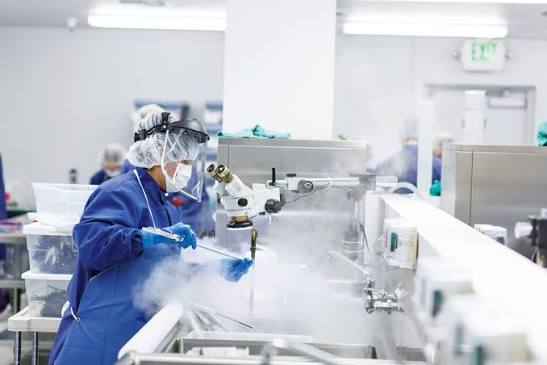
Reprocessed medical devices are previously used medical instruments that are collected, thoroughly cleaned, disinfected, sterilized, inspected, and validated before being reused. Every device must meet stringent quality and performance standards established by regulatory authorities to ensure patient safety. These procedures help healthcare providers extend the useful life of eligible medical devices without compromising clinical outcomes.
Modern reprocessing facilities utilize automated cleaning systems, advanced sterilization methods, and comprehensive quality inspections that closely monitor each stage of the process. As a result, many healthcare organizations view reprocessed devices as reliable alternatives for selected clinical applications.
Why Australian Healthcare Providers Are Embracing Reprocessing
Hospitals across Australia face increasing pressure to optimize healthcare spending while maintaining high-quality patient care. Medical devices often represent a significant portion of hospital procurement budgets, making reprocessing an effective strategy for controlling costs.
Beyond financial benefits, sustainability has become a major priority for healthcare organizations. Reusing eligible medical devices helps reduce medical waste sent to landfills while lowering the demand for manufacturing new equipment. Regulatory oversight by Australia’s Therapeutic Goods Administration (TGA) further supports safe implementation by ensuring reprocessed devices comply with strict quality and performance requirements.
Technology Is Improving Device Reprocessing
Technological innovation continues to enhance the efficiency and reliability of medical device reprocessing. Automation, artificial intelligence, digital tracking systems, and robotic cleaning technologies have significantly improved sterilization accuracy and traceability throughout the reprocessing cycle.
These advancements reduce the possibility of human error while enabling healthcare providers to monitor each device’s lifecycle more effectively. Modern validation systems also generate detailed documentation that supports regulatory compliance and quality assurance programs. Industry reports indicate that automated reprocessing solutions are helping improve operational efficiency while strengthening confidence among hospitals adopting reusable medical technologies.
Cardiovascular Devices Continue to Lead Adoption
Among the various categories of reprocessed medical devices, cardiovascular devices account for a substantial share of adoption in Australia. Hospitals perform a high volume of cardiovascular procedures every year, making cost-effective device management especially valuable.
Catheters, guidewires, and several other cardiovascular instruments are frequently considered suitable for validated reprocessing procedures. Their widespread clinical use, combined with ongoing demand from an aging population experiencing cardiovascular diseases, continues to support growth within this segment.
Hospitals Remain the Largest End Users
Hospitals are the primary adopters of reprocessed medical devices because they perform a wide range of surgical and diagnostic procedures requiring specialized equipment. Large healthcare facilities also benefit most from procurement savings achieved through validated reprocessing programs.
In addition, hospitals are increasingly implementing environmental sustainability initiatives aimed at reducing healthcare waste and improving resource utilization. Reprocessed devices support these objectives by extending equipment life while minimizing unnecessary disposal of eligible products.
Challenges That Still Require Attention
Although adoption continues to increase, several challenges remain. Healthcare providers must ensure consistent regulatory compliance, maintain comprehensive quality documentation, and educate clinical staff regarding the safety and effectiveness of reprocessed devices.
Patient awareness also plays an important role. Transparent communication about rigorous testing, sterilization, and regulatory oversight helps build confidence in the safe use of reprocessed medical equipment. Continuous investment in quality assurance and staff training will remain essential for long-term success.
The Future of Reprocessed Medical Devices in Australia
The future appears promising as healthcare organizations increasingly prioritize both financial sustainability and environmental responsibility. Continued advances in sterilization technologies, digital monitoring systems, and automation are expected to further improve the quality and efficiency of reprocessing operations.
Growing collaboration between hospitals, medical device manufacturers, and specialized reprocessing companies may also accelerate innovation while expanding access to validated reprocessed devices across metropolitan and regional healthcare facilities. These developments are expected to strengthen Australia’s transition toward a more sustainable healthcare system.
Conclusion
Reprocessed medical devices are becoming an integral part of Australia’s evolving healthcare landscape. They provide hospitals with opportunities to reduce operational costs, minimize environmental impact, and improve resource efficiency without compromising patient safety. Supported by robust regulatory oversight and continuous technological advancements, reprocessing is expected to play an increasingly important role in the country’s healthcare infrastructure.
As healthcare providers continue balancing affordability, quality, and sustainability, reprocessed medical devices represent a practical solution that aligns with the long-term goals of Australia’s modern healthcare system.