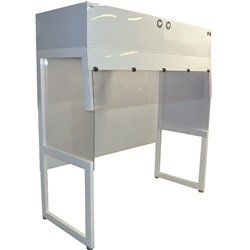
Maintaining sterile conditions is essential in laboratories, biotechnology facilities, pharmaceutical environments, and research applications where contamination can compromise results. Even small airborne particles, microorganisms, or environmental impurities can affect sample quality and process accuracy. By implementing proper airflow control and contamination prevention strategies, you can create a safer and more reliable workspace. A well-designed laminar flow system helps you maintain cleaner conditions by providing a continuous stream of filtered air across your working area.
A laminar flow hood is one of the most effective solutions for improving sterile processes because it creates a controlled environment that minimizes airborne contamination. Whether you are handling sensitive samples, performing biological procedures, or assembling precision components, the right airflow technology helps you protect your work and improve operational consistency.
Understand How Laminar Flow Supports Sterile Operations
To improve sterile processes, you first need to understand how controlled airflow works. A laminar flow hood uses high-efficiency filtration technology to remove airborne contaminants before delivering clean air into the workspace. The filtered air moves in a uniform direction, reducing turbulence and preventing particles from settling on critical materials.
When you use a proper airflow system, you can reduce contamination risks during procedures such as sample preparation, microbiological testing, pharmaceutical research, and electronics assembly. Consistent airflow performance allows you to maintain a cleaner workspace while improving the reliability of your processes.
Choose the Right Laminar Flow Hood for Your Application
Selecting the correct equipment plays an important role in achieving sterile results. Different applications require different configurations, airflow patterns, and workspace designs. Before choosing a system, evaluate your process requirements, available space, contamination control needs, and workflow demands.
A vertical laminar flow hood for sterile laboratory applications and contamination-sensitive procedures provides a controlled workspace where clean air flows downward over your materials. This design is suitable for many laboratory tasks where product protection is the primary concern.
By selecting the right system, you can improve efficiency, reduce contamination events, and create a more dependable sterile environment. CleaTech LLC provides solutions designed to support laboratories and industries requiring controlled airflow environments.
Maintain Proper Cleaning and Decontamination Practices
Even the most advanced airflow equipment requires regular maintenance to perform effectively. Your cleaning routine directly affects the reliability of your sterile processes. Before and after each operation, clean the work surface using appropriate disinfectants recommended for your application.
Avoid introducing unnecessary materials into the workspace because excessive items can interrupt airflow patterns and create contamination risks. Organize tools and samples carefully to maintain smooth air movement throughout the working area.
Regular cleaning schedules, filter inspections, and performance checks help you maintain consistent protection. A well-maintained laminar flow system supports long-term operational reliability and reduces unexpected workflow interruptions.
Optimize Your Laboratory Workflow
Sterile processes depend not only on equipment but also on how you operate within the controlled environment. Arrange your materials strategically to prevent unnecessary movement and avoid blocking airflow paths.
Follow proper handling techniques by:
- Preparing all required materials before starting procedures
- Limiting unnecessary hand movements inside the workspace
- Keeping sterile and non-sterile items separated
- Avoiding rapid movements that create airflow disturbances
- Following established contamination control procedures
When you combine effective workflow practices with reliable equipment, you create a more efficient sterile environment with improved process accuracy.
Perform Regular Equipment Monitoring
Monitoring airflow performance is essential for maintaining sterile conditions. Changes in airflow speed, filter performance, or operating conditions can reduce contamination control effectiveness.
You should regularly inspect:
- Airflow velocity
- Filter condition
- Workspace cleanliness
- Equipment alarms or indicators
- Overall system performance
Routine inspections help identify potential issues before they affect your operations. Preventive maintenance also extends equipment life and ensures consistent sterile protection.
For advanced applications, investing in a reliable laboratory laminar flow hood system for precision sample handling and controlled environments can significantly improve contamination management and process reliability.
Improve Compliance and Quality Control
Many industries rely on strict cleanliness standards to maintain product quality and regulatory compliance. A controlled airflow workspace supports better documentation, repeatable processes, and improved quality assurance.
Using a properly maintained laminar flow system helps you establish standardized procedures that reduce variations between operations. This is especially valuable in research laboratories, pharmaceutical development, biotechnology facilities, and manufacturing environments where precision matters.
By integrating airflow control with proper operating procedures, you can create a stronger contamination prevention strategy and improve overall productivity.
Why Choose CleaTech LLC for Sterile Environment Solutions?
Selecting the right equipment provider is important when developing a reliable sterile workspace. CleaTech LLC offers engineered laboratory solutions designed to support contamination control, clean environments, and specialized applications.
Whether you need guidance on selecting equipment, improving workflow efficiency, or upgrading your laboratory setup, you can connect with experts who understand controlled environment requirements. Explore reliable CleaTech LLC cleanroom and laboratory equipment solutions for advanced contamination control applications to support your facility needs.
If you need assistance selecting the right system for your application, you can Contact us today for expert guidance on laminar airflow solutions and laboratory environment improvements.
Conclusion
Improving sterile processes requires a combination of reliable equipment, proper maintenance, and disciplined operating practices. A laminar flow hood helps you create a cleaner workspace by controlling airborne particles and maintaining consistent airflow conditions.
By choosing the right system, following effective cleaning procedures, monitoring performance, and optimizing your workflow, you can achieve better contamination control and improve process reliability. Investing in advanced airflow technology allows you to maintain higher quality standards and support successful laboratory operations.
Frequently Asked Questions
How does a laminar flow hood improve sterile processes?
A laminar flow hood improves sterile processes by providing filtered, uniform airflow that reduces airborne contaminants. It creates a cleaner workspace where sensitive materials can be handled with lower contamination risks.
What is the main purpose of a laminar flow hood?
The main purpose of a laminar flow hood is to provide a controlled clean air environment for protecting samples, products, and processes from airborne particles and contamination.
How often should a laminar flow hood be cleaned?
You should clean the working surface before and after use. Regular deep cleaning and filter inspections should follow manufacturer recommendations and facility requirements.
Can a laminar flow hood be used in pharmaceutical applications?
Yes, laminar flow hoods are commonly used in pharmaceutical research, compounding, and other applications requiring controlled sterile conditions and contamination prevention.
What factors should you consider when selecting a laminar flow hood?
You should consider airflow direction, workspace size, application requirements, filtration efficiency, maintenance needs, and compliance requirements before selecting a system.