Introduction
Spinal health plays an important role in maintaining mobility, balance, and overall quality of life. The spine supports the body’s structure while protecting the nerves that send signals between the brain and the rest of the body. When the spine is affected by injury, poor posture, age-related changes, or repetitive strain, everyday activities can become uncomfortable and difficult.
Many people ignore early signs of spinal discomfort, assuming they will disappear on their own. However, recognizing warning signs early and understanding available recovery options can help prevent the condition from worsening. Individuals looking for slipped disc treatment kl often begin by learning about the causes, symptoms, and conservative management options available for spinal conditions.
Why Spinal Health Matters
A healthy spine provides stability, flexibility, and protection for the nervous system. Since the spine is involved in almost every movement, even minor issues can affect daily life.
Maintaining spinal health supports:
- Better posture
- Comfortable movement
- Improved flexibility
- Healthy nerve function
- Reduced risk of recurring discomfort
- Greater confidence during everyday activities
Taking care of the spine through healthy habits can also reduce unnecessary strain on muscles and surrounding joints.
Common Warning Signs of Spinal Problems
Spinal conditions often develop gradually. Symptoms may vary depending on the underlying cause and the area of the spine involved.
Some common warning signs include:
- Persistent back discomfort
- Stiffness after sitting or standing for long periods
- Difficulty bending or twisting
- Pain that spreads into the arms or legs
- Tingling or numbness
- Muscle weakness
- Reduced flexibility
- Difficulty performing routine activities
Not everyone experiences the same symptoms, and discomfort may come and go during different stages of recovery.
Understanding Possible Causes
Several everyday factors can contribute to spinal discomfort over time. In many cases, more than one factor is involved.
Common contributing factors include:
- Poor posture during work or study
- Repetitive lifting
- Incorrect lifting techniques
- Sedentary lifestyle
- Weak core muscles
- Sports-related strain
- Natural age-related changes
- Previous injuries
- Excessive physical stress
Understanding these contributing factors allows individuals to make lifestyle adjustments that support better spinal health.
Recovery Options for Spinal Conditions
The recovery process depends on the individual’s symptoms, lifestyle, and overall health. In many situations, healthcare professionals recommend conservative management before considering more advanced interventions.
People exploring slipped disc treatment kl are often advised to undergo a thorough assessment to identify the source of discomfort and determine an appropriate recovery plan.
Recovery options may include:
Physical Therapy
Guided exercises can help improve flexibility, strengthen supporting muscles, and encourage better movement patterns.
Activity Modification
Temporary adjustments to daily activities may reduce unnecessary strain while healing takes place.
Posture Education
Learning proper sitting, standing, and lifting techniques helps reduce repeated stress on the spine.
Gentle Movement
Remaining active within comfortable limits may support recovery better than prolonged inactivity.
Manual Therapy
Some individuals benefit from hands-on techniques provided by qualified healthcare professionals to improve movement and reduce stiffness.
Recovery plans are typically personalized according to individual needs rather than following a single approach for everyone.
When Neck Symptoms Become Part of the Picture
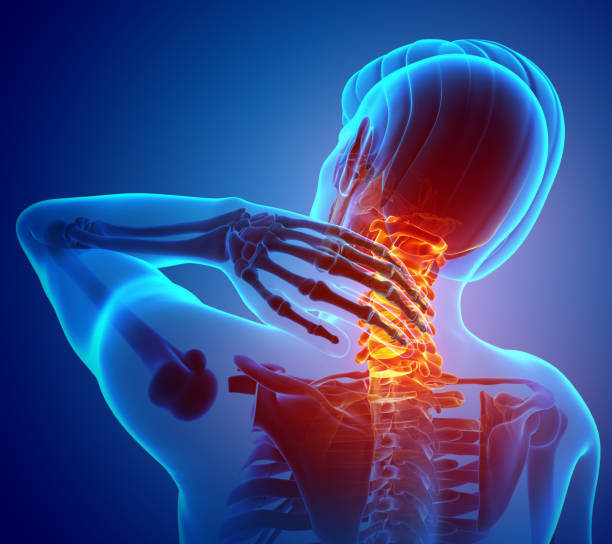
Spinal issues are not always limited to the lower back. Problems affecting the cervical spine may lead to stiffness, reduced mobility, or discomfort around the shoulders and upper back.
People seeking neck pain treatment kl often experience symptoms such as:
- Neck stiffness
- Difficulty turning the head
- Muscle tightness
- Discomfort after desk work
- Shoulder tension
- Headaches related to muscle strain
Early assessment helps identify whether symptoms are related to posture, muscle tension, or other spinal conditions.
Lifestyle Habits That Support Long-Term Recovery
Daily habits play an important role in maintaining spinal health and reducing unnecessary stress on the body.
Helpful habits include:
- Maintaining good posture throughout the day
- Taking regular movement breaks
- Sleeping in a supportive position
- Using ergonomic workstations
- Staying physically active
- Strengthening core muscles
- Performing gentle stretching exercises
- Avoiding prolonged sitting whenever possible
Small lifestyle improvements often contribute to better long-term spinal function.
The Importance of Early Professional Assessment
Many people delay seeking advice because symptoms appear mild at first. However, persistent discomfort should not be ignored, especially when it begins affecting normal activities.
Healthcare professionals usually perform a comprehensive assessment that may include:
- Medical history review
- Physical examination
- Movement assessment
- Posture evaluation
- Functional testing
- Discussion of symptom patterns
This assessment helps determine the most appropriate management strategy while ruling out other possible causes of symptoms.
Managing Daily Activities During Recovery
Recovering from spinal discomfort often involves balancing movement with adequate rest. Rather than avoiding activity completely, many individuals benefit from gradual, controlled movement.
Simple strategies include:
- Avoid lifting heavy objects unnecessarily.
- Change positions regularly.
- Walk for short periods throughout the day.
- Avoid remaining in one posture for extended periods.
- Follow professional guidance for exercises.
- Use proper body mechanics during household tasks.
Consistency is often more beneficial than sudden increases in activity.
Supporting Neck Health Alongside Overall Spinal Care
Maintaining neck mobility is just as important as caring for the rest of the spine. Modern lifestyles frequently involve long hours using computers, mobile devices, and other screens, which may place additional strain on the cervical region.
Individuals considering neck pain treatment kl are often encouraged to improve workstation ergonomics, adjust monitor height, and practice regular stretching throughout the day. These simple habits may help reduce unnecessary tension while supporting better posture and comfortable movement.
Long-term spinal wellness depends on addressing everyday movement patterns rather than focusing only on symptoms when they occur.
Building Healthy Habits for the Future
Preventing recurring spinal discomfort often requires consistent self-care rather than temporary changes.
Helpful long-term practices include:
- Staying physically active
- Maintaining flexibility
- Building muscle strength
- Paying attention to posture
- Practicing safe lifting techniques
- Managing daily stress
- Scheduling regular movement breaks
- Listening to early warning signs from the body
People who make these habits part of their routine often find it easier to maintain comfortable movement over time.
Conclusion
Maintaining spinal health requires ongoing attention to posture, movement, physical activity, and healthy daily habits. Recognizing early warning signs, seeking timely professional guidance, and following a personalized recovery approach can support better mobility and overall well-being. With consistent care and preventive lifestyle choices, many people can improve spinal function, reduce recurring discomfort, and continue enjoying their normal daily activities with greater confidence.