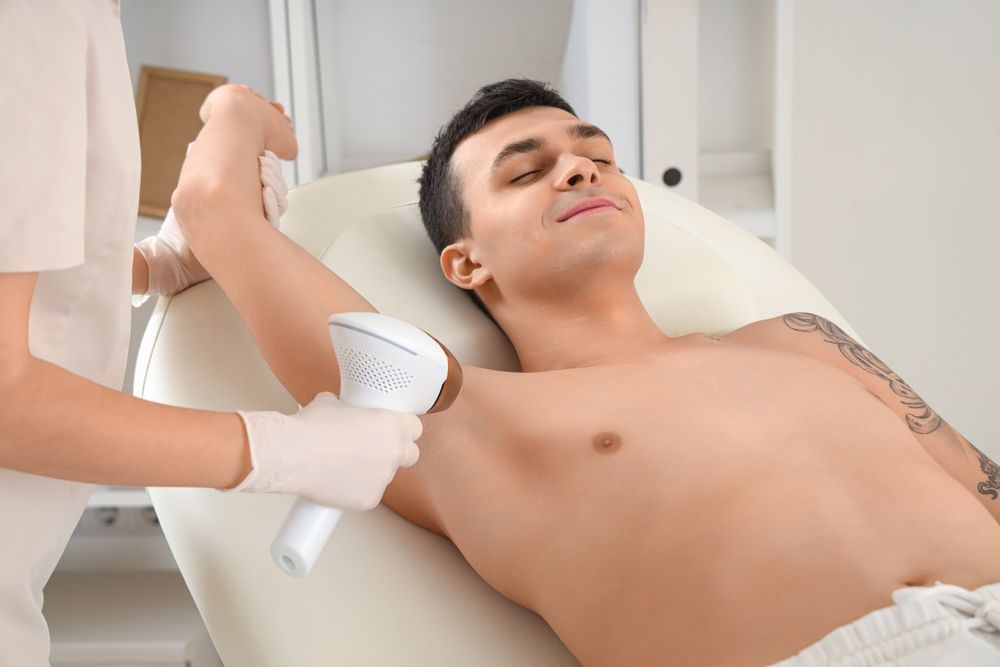
Unwanted body hair has always been a concern for individuals seeking smoother skin, especially those with easily irritated or reactive skin types. Traditional methods like waxing, threading, and shaving often lead to redness, bumps, or prolonged discomfort, making them less suitable for sensitive skin. As modern cosmetic solutions evolve, people are increasingly turning toward advanced methods that offer longer-lasting and gentler results. One such widely discussed solution is Laser Hair Removal In Islamabad, which has gained popularity for its precision and reduced skin irritation when performed with proper care. Individuals with sensitive skin, however, often wonder whether this approach is truly safe, effective, and comfortable for their unique skin needs. Understanding how the process works and what makes it suitable can help in making an informed decision without unnecessary worry or confusion.
Understanding Laser Hair Removal for Sensitive Skin
Laser hair removal works by targeting the pigment in hair follicles using concentrated light energy. The energy converts into heat, which gradually reduces hair growth over multiple sessions. For sensitive skin, the key concern is how the skin reacts to heat and light exposure. Modern techniques are designed to minimize surface irritation by focusing energy beneath the skin rather than damaging the top layer.
Sensitive skin individuals may experience temporary redness, mild warmth, or slight swelling after treatment, but these effects usually subside within a few hours to a day. Proper pre-treatment preparation and post-treatment care play a crucial role in reducing discomfort and ensuring a smooth experience.
Why Sensitive Skin Reacts Differently
Sensitive skin tends to have a thinner protective barrier and heightened nerve response, making it more reactive to external factors. This means even minor stimulation, such as waxing or harsh hair removal creams, can cause inflammation or irritation.
Laser-based treatments, when applied correctly, offer a more controlled approach. Since the process avoids repeated friction or pulling of hair, it significantly reduces the chances of long-term irritation. However, skin sensitivity levels vary from person to person, so results and reactions can differ based on individual conditions.
Benefits for Sensitive Skin Types
One of the most significant advantages of laser-based hair reduction is reduced repetitive trauma to the skin. Unlike waxing or shaving, which must be repeated frequently, laser sessions gradually reduce hair growth, minimizing ongoing irritation.
For sensitive skin, this means fewer ingrown hairs, reduced razor burns, and less chance of post-treatment redness over time. Another important benefit is precision, as the laser targets only the hair follicles without affecting surrounding skin when applied correctly.
Additionally, over a series of sessions, hair tends to grow back finer and lighter, which further decreases skin stress and discomfort. This makes it a preferred long-term option for individuals who struggle with traditional hair removal methods.
Safety Considerations and Professional Approach
Safety is a major factor when dealing with sensitive skin. A careful assessment of skin type, hair texture, and sensitivity level is essential before beginning any treatment. Proper customization of laser settings ensures that the skin receives appropriate energy levels without excessive irritation.
Experienced practitioners follow a gradual approach, often starting with lower intensity and adjusting based on skin response. Patch testing is also commonly used to observe how the skin reacts before proceeding with full treatment sessions.
Hygiene, equipment quality, and proper technique also play a critical role in ensuring safe outcomes. Sensitive skin requires extra attention to detail, including cooling methods during treatment and soothing care afterward.
Pre-Treatment and Post-Treatment Care
Preparation before laser sessions can significantly improve comfort levels. It is generally recommended to avoid sun exposure, harsh skincare products, and exfoliation before treatment. Keeping the skin calm and hydrated helps reduce sensitivity during the procedure.
After treatment, the skin may feel slightly warm or appear mildly red. Applying gentle soothing gels and avoiding direct heat exposure, such as hot showers or saunas, can help the skin recover faster. Moisturizing regularly supports the skin barrier and reduces any lingering irritation.
Consistent aftercare not only improves comfort but also enhances overall results, especially for those with reactive skin types.
Myths and Misconceptions About Sensitive Skin and Laser Treatment
A common misconception is that sensitive skin cannot tolerate laser procedures at all. In reality, many individuals with sensitive skin undergo treatment successfully when proper precautions are taken.
Another myth is that laser treatment permanently damages the skin barrier. When performed correctly, the process targets only hair follicles and does not harm the outer skin layer. Temporary redness should not be confused with long-term damage.
Some also believe that results are not effective for sensitive skin types, but effectiveness is more dependent on hair growth cycles and consistency of sessions rather than skin sensitivity alone.
EEAT Perspective: Why Informed Decisions Matter
From an expertise and trust standpoint, understanding how laser technology interacts with different skin types is essential. Individuals with sensitive skin should prioritize accurate information, realistic expectations, and proper guidance before starting any cosmetic procedure.
Experience-based knowledge shows that gradual treatment planning and careful monitoring significantly improve comfort and outcomes. Trustworthy information sources always emphasize skin assessment, proper technique, and aftercare rather than quick fixes or exaggerated promises.
Choosing a safe and structured approach ensures that sensitive skin individuals can achieve smoother results without unnecessary risk or discomfort.
Conclusion
Managing unwanted hair while protecting delicate skin requires a balanced approach that prioritizes both effectiveness and comfort. With proper understanding, preparation, and care, sensitive skin individuals can benefit from advanced hair reduction methods without compromising skin health. The growing popularity of Laser Hair Removal In Islamabad reflects a shift toward long-term, low-irritation solutions that support smoother skin with minimal daily effort, making it a practical choice for those seeking consistency and comfort in their grooming routine.
FAQs
Is laser hair removal safe for sensitive skin?
Yes, when performed with appropriate settings and care, it is generally safe for sensitive skin and can reduce irritation compared to traditional methods.
Will sensitive skin get red after treatment?
Mild redness or warmth may occur temporarily, but it usually fades within a few hours to a day with proper aftercare.
How many sessions are needed for sensitive skin?
The number of sessions varies depending on hair growth, but multiple sessions are typically required for noticeable and lasting reduction.
Can laser treatment reduce ingrown hairs?
Yes, it is known to significantly reduce ingrown hairs by targeting the hair follicle and slowing regrowth.
What should be avoided before treatment?
Avoid sun exposure, waxing, and harsh skincare products before treatment to minimize skin sensitivity.