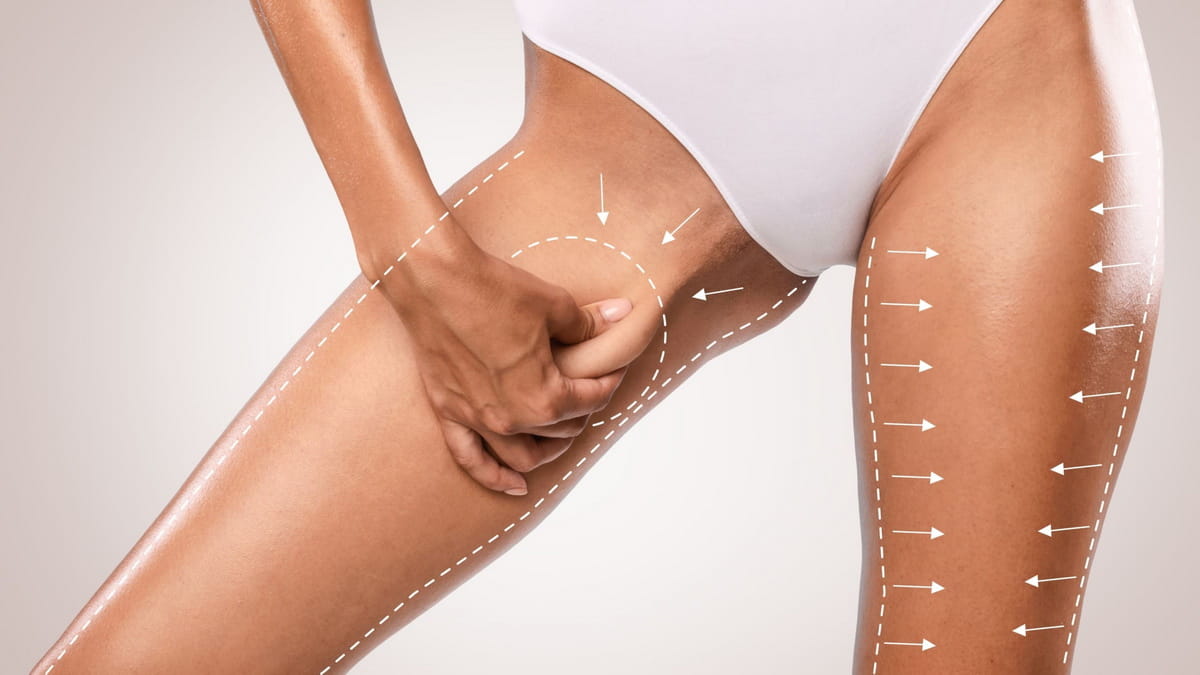
Recovering from cosmetic body contouring is a gradual process that requires patience, discipline, and realistic expectations. When people consider Thigh Liposuction In Islamabad, one of the most common questions is how long it takes to return to normal routines and see final results. Recovery is not instant; it unfolds in stages as the body heals internally and externally. Understanding each phase helps individuals manage discomfort, reduce anxiety, and support better healing outcomes through informed self-care choices. With proper guidance, most people experience steady improvement and visible contour changes as swelling reduces and tissues settle over time.
Understanding the Recovery Timeline After Thigh Liposuction
Recovery after thigh liposuction is typically divided into short-term, mid-term, and long-term phases. These stages reflect how the body responds to fat removal and tissue adjustment. In the early days, swelling and mild discomfort are most noticeable, while later stages focus on refinement of shape and skin tightening. According to widely accepted aesthetic recovery principles, the body continues to heal internally for several weeks even after external bruising fades. This is why patience is essential, as visible results evolve gradually rather than appearing immediately.
First 24 to 72 Hours Recovery Phase
The first few days after the procedure are the most sensitive. Swelling, tightness, and mild soreness in the thigh area are expected as the body responds to controlled tissue disruption. Movement is usually limited, and rest plays a major role in early healing. Light walking is often encouraged to support circulation and reduce stiffness. During this phase, the body begins its natural inflammatory response, which is an essential part of healing rather than a complication. Emotional reassurance and adequate hydration also help stabilize recovery.
First Week Recovery Expectations
During the first week, swelling and bruising may become more visible before gradually starting to improve. The thighs may feel firm or uneven due to internal fluid buildup and tissue adjustment. Most individuals begin to resume light daily activities while avoiding strenuous movement. Sleep positioning becomes important to avoid pressure on the treated area. This stage is crucial because consistent care helps reduce complications and supports smoother contour development. The body is still in an active healing phase, so results are not yet reflective of the final outcome.
Weeks Two to Four Healing Progress
Between the second and fourth week, noticeable improvements begin to appear. Swelling slowly decreases, and mobility improves significantly. Many individuals feel more comfortable walking and performing routine tasks. The skin starts adapting to the new underlying shape as internal tissues stabilize. Mild tightness or sensitivity may still be present but gradually fades. This phase is often considered a turning point where visible changes become more encouraging, helping individuals stay motivated as recovery progresses steadily.
Long-Term Recovery and Final Results
Full recovery is a gradual process that can extend over several months. During this period, residual swelling continues to subside, and the final contour of the thighs becomes more defined. The skin gradually adjusts to its new structure, creating a smoother and more proportionate appearance. Long-term healing also depends on lifestyle consistency, including hydration, movement, and balanced nutrition. Although early improvements are visible within weeks, the most refined results typically take time to fully develop as the body completes its internal remodeling process.
Factors That Influence Recovery Speed
Recovery timelines vary from person to person due to multiple biological and lifestyle factors. Age, skin elasticity, overall health, and physical activity levels all play important roles in healing speed. Individuals with good circulation and stable metabolism often experience faster recovery. Hydration and nutrition also significantly affect tissue repair and inflammation control. Clinical observations in aesthetic recovery suggest that patients who follow structured aftercare routines tend to experience more predictable and smoother healing outcomes.
Self-Care and Lifestyle Adjustments
Post-procedure care is essential for achieving optimal results. Gentle movement helps prevent stiffness and supports healthy circulation. Maintaining a balanced diet rich in nutrients supports tissue repair and reduces inflammation. Avoiding prolonged inactivity is equally important, as mobility encourages faster recovery. Wearing supportive garments, as recommended in general post-liposuction care guidelines, can also help control swelling and improve contour shaping. Emotional patience is just as important as physical care, as the healing journey unfolds gradually.
Warning Signs and When to Be Cautious
While recovery is usually smooth, it is important to remain aware of unusual symptoms. Persistent pain, excessive swelling, or unexpected changes in skin condition should not be ignored. The body typically follows a predictable healing pattern, so deviations may require attention. Monitoring progress daily helps ensure peace of mind and allows early identification of any concerns. Most recovery experiences remain within normal ranges when proper care practices are followed consistently.
FAQs
How long does it take to recover fully after thigh liposuction?
Most people experience significant improvement within 3 to 4 weeks, while full recovery and final shaping may take several months as internal healing continues.
When can normal walking resume after the procedure?
Light walking is usually encouraged within the first few days to support circulation, while more active movement gradually resumes after the first week.
Is swelling normal during recovery?
Yes, swelling is a natural part of the healing process and may fluctuate for several weeks before gradually reducing as the body adjusts.
When do final results become visible?
Initial changes appear within weeks, but final results typically become more defined after 2 to 3 months once internal tissues settle.
Can lifestyle affect recovery speed?
Yes, hydration, nutrition, movement, and overall health significantly influence how quickly and smoothly the body heals.
Is discomfort expected during recovery?
Mild soreness and tightness are common in the early stages and usually improve as the healing process progresses.
Recovery is a gradual transformation that rewards patience and consistent care. Those exploring Thigh Liposuction In Islamabad should understand that healing unfolds in stages, and the final outcome becomes more refined with time, discipline, and proper aftercare.