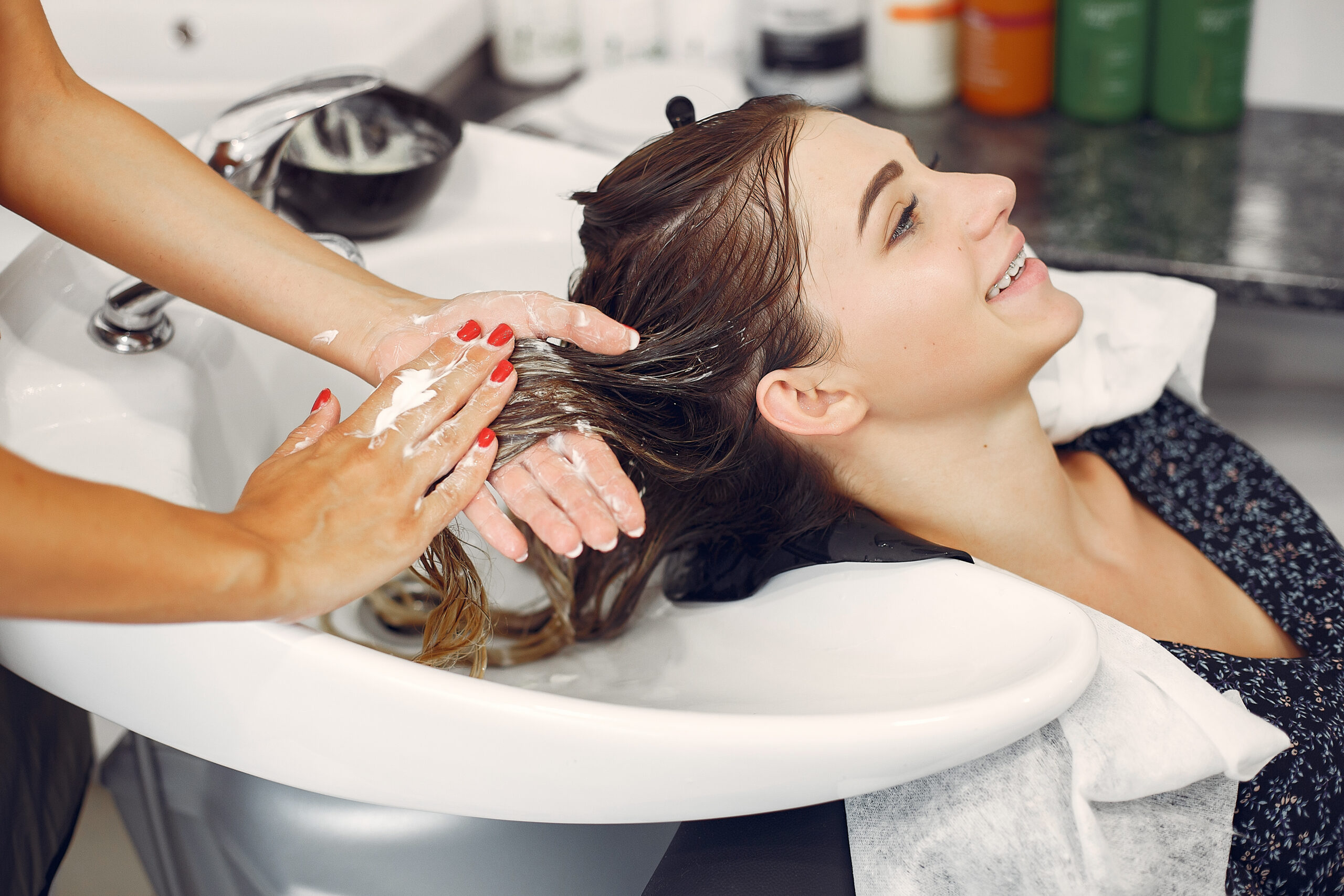
A busy week can leave your whole body feeling tired. Your scalp can feel the strain, too. Oil, sweat, dead skin, and hair products can slowly build up. This may leave your scalp feeling heavy, itchy, dry, or less fresh than usual.
A Head Spa offers a calm way to care for your scalp while giving you time to rest. The treatment often combines scalp checks, cleansing, massage, steam, and hair care. Each session may differ based on your scalp, hair type, and chosen service.
If this is your first visit, you may have a few questions. What happens during the session? Does it hurt? How long does it take? What should you do before arriving?
This guide walks you through the full experience. You will learn what happens before, during, and after a scalp care session. You will also discover its possible benefits and ways to prepare for your appointment.
What Is a Relaxing Scalp Care Treatment?
A relaxing scalp care treatment is a deep care service for your scalp and hair. It goes beyond a normal shampoo at home. The goal is to remove buildup, refresh the scalp, and create a calm experience.
Many Luxury day spa locations offer scalp care as part of their wellness services. Some sessions focus mainly on deep cleansing. Others may include massage, steam, masks, oils, serums, or hair treatments.
The exact steps can vary between spas. Your hair type and scalp needs may also change the treatment plan. A trained professional should look at your scalp before using strong products or special tools.
This personal approach matters. A dry scalp may need gentle moisture. An oily scalp may need deeper cleansing. A sensitive scalp may require mild products and less pressure.
Why Has Scalp Care Become So Popular?
People now pay more attention to scalp health. That makes sense. Your scalp is skin, and it needs regular care.
Daily life can affect the scalp in many ways. Sweat can collect after exercise. Styling products may leave residue. Dry air can cause tightness. Heat tools may also affect hair quality.
There is another reason for the growing interest. The treatment feels relaxing.
A slow scalp massage can feel calming after a long day. Warm water adds comfort. Steam may make the whole session feel peaceful and soothing.
Many people simply enjoy having quiet time away from phones, work, and daily tasks.
What Happens Before Your Treatment Begins?
Your session will often start with a short talk. The specialist may ask about your hair routine and current scalp concerns.
Be open during this chat. Mention any itching, dryness, excess oil, flakes, soreness, or recent hair treatments.
You should also share any known skin issues or allergies. This information helps the provider choose suitable products and avoid unwanted reactions.
Your Scalp May Be Checked First
Some spas use a small scalp camera. Others perform a visual check under good lighting.
The specialist may look for visible oil, flakes, dry areas, redness, or product buildup. This check helps guide the rest of the session.
Do not feel embarrassed about buildup or flakes. These concerns are common. The goal is to understand your scalp and choose suitable care.
You May Discuss Your Hair Type
Hair texture matters during scalp care.
Fine hair can become oily faster. Thick hair may require more time for full rinsing. Curly hair often needs careful handling to avoid knots.
Color-treated hair may also require gentle products. Always mention recent coloring, bleaching, straightening, or other chemical services.
Step-by-Step: What Happens During a Scalp Care Session?
Every spa has its own method. Still, many treatments follow a similar flow.
The session often begins gently. You settle into a comfortable chair or bed. Then the specialist starts working through several care steps.
Step 1: Gentle Scalp Analysis
The provider first looks closely at your scalp.
They may check for visible dryness, excess oil, flakes, or clogged areas. This process should be comfortable and quick.
The findings can help determine which cleanser, mask, or serum may suit your needs.
Step 2: Brushing and Detangling
Your hair may be gently brushed before washing begins.
This helps remove loose hair and small knots. It also makes the later steps easier and more comfortable.
The provider should avoid rough pulling. Gentle handling is especially important for wet, fine, curly, or damaged hair.
Step 3: Deep Scalp Cleansing
Next comes the cleansing stage.
A suitable cleanser is applied to the scalp. The provider works it across different areas using careful finger movements.
This step aims to remove sweat, oil, dirt, and styling residue. It may feel fresher than a normal shampoo at home.
Why Is Deep Cleansing Helpful?
Regular shampoo works well for daily hair care. Still, some products can leave residue over time.
Dry shampoo, gels, sprays, creams, and oils may collect near the roots. Sweat and natural skin oils can also add to this buildup.
A thorough wash can leave the scalp feeling cleaner and lighter.
However, stronger is not always better. Harsh cleansing may cause dryness or discomfort. Products should match your scalp type.
Step 4: A Slow and Gentle Scalp Massage
For many guests, this is the favorite part.
The provider uses slow finger movements across the scalp. Pressure may be light, medium, or firm.
You should always speak up if the pressure feels uncomfortable. A relaxing treatment should never cause pain.
The massage may help you feel calm and rested. Some people even fall asleep during this part.
What Does the Massage Feel Like?
It often starts with slow circles near the hairline.
The hands then move toward the sides, crown, and back of the head. Some providers may also massage the neck or shoulders.
The pace is usually calm. There should be no harsh scratching or painful pulling.
Step 5: Warm Steam May Be Used
Some treatments include warm steam.
Steam creates a warm and soothing feeling around the scalp. It may also help soften some buildup before rinsing.
Not every person needs steam. People with very sensitive skin should discuss comfort levels before this step begins.
The heat should feel mild. It should never feel painful or too hot.
Step 6: Scalp Mask or Treatment Product
A mask, serum, or other care product may come next.
The product choice should depend on your scalp and hair needs. A dry scalp may receive added moisture. An oily scalp may need a lighter formula.
The provider may leave the product on for several minutes.
During this time, you can simply rest.
Step 7: Careful Rinsing
Proper rinsing is an important part of the session.
Any cleanser, mask, or treatment product should be washed out well. Leftover residue can make hair feel heavy.
Warm water is commonly used. The provider may gently lift sections of hair to reach the scalp fully.
Step 8: Hair Conditioning
Conditioner may be applied after the scalp has been cleaned.
It is often focused on the middle lengths and ends. This helps soften the hair without adding too much weight near the roots.
The exact product depends on your hair texture and condition.
Step 9: Drying and Finishing
After rinsing, your hair is gently towel-dried.
Some spas include a full blow-dry. Others may offer basic drying only. Check what your chosen service includes before booking.
Your hair may feel softer, fresher, and easier to manage after the session.
How Does a Scalp Care Treatment Feel?
Most people describe the experience as calm and soothing.
You may feel warm water running across your scalp. Gentle finger movements can help your body settle. Quiet music may add to the peaceful setting.
Still, comfort is personal.
One person may love firm pressure. Another may prefer a very light touch. Neither choice is wrong.
Tell your provider what feels comfortable. Good communication helps create a better experience.
Is the Treatment Painful?
A proper relaxing scalp treatment should not be painful.
You may feel gentle pressure during massage or cleansing. However, sharp pain, burning, or strong pulling should not be ignored.
Tell the provider right away if something feels wrong.
People with sores, open cuts, severe irritation, or active skin problems should seek medical advice before booking treatment.
What Are the Possible Benefits?
Scalp care may offer several cosmetic and relaxation benefits.
Results differ from person to person. No spa treatment should promise to cure medical scalp conditions or guarantee hair growth.
Still, many people enjoy the fresh and clean feeling after a session.
A Cleaner Scalp
Deep washing can help remove visible dirt, oil, sweat, and product residue.
This may leave the roots feeling lighter and fresher.
A Relaxing Break
The quiet setting can provide a welcome break from daily stress.
Warm water, slow movements, and a calm room may help you relax.
Softer-Looking Hair
Conditioners and masks can improve the feel of dry hair.
Hair may feel softer and smoother after proper cleansing and conditioning.
Better Awareness of Your Scalp
A close scalp check may help you notice dryness, excess oil, or visible flakes.
However, a spa professional should not diagnose medical conditions unless they hold suitable medical qualifications.
For ongoing pain, hair loss, sores, or severe itching, speak with a doctor or dermatologist.
How Long Does a Session Take?
Session length depends on the service package.
A basic treatment may last around 30 to 45 minutes. Longer sessions may take 60 to 90 minutes or more.
Extra steps can add time. These may include steam, masks, neck massage, detailed scalp checks, or blow-drying.
Ask about the full session time before your visit. This helps you avoid rushing afterward.
How Should You Prepare for Your Appointment?
You usually do not need much preparation.
Still, a few simple steps can make the visit easier.
Avoid Heavy Styling Products
Try not to apply large amounts of gel, spray, wax, or oil before your appointment.
Some buildup is normal. However, very heavy product use may make cleansing take longer.
Share Important Information
Tell the provider about allergies or recent chemical hair treatments.
Also mention scalp pain, cuts, burns, or strong irritation.
Clear information helps the provider make safer choices.
Wear Comfortable Clothes
Choose clothing that helps you relax.
A simple top with an easy neckline is often a good choice. Avoid tight collars when possible.
Arrive With Realistic Expectations
A scalp care session can clean and refresh your scalp.
However, it is not a medical cure. It should not replace care from a qualified health professional.
Who May Enjoy This Type of Treatment?
Many adults may enjoy professional scalp care.
It can appeal to people who use styling products often. It may also suit those wanting a calm self-care experience.
People with oily roots may enjoy deep cleansing. Those with dry hair may prefer treatments focused on moisture.
Still, every scalp is different.
A treatment that works well for one person may not suit another.
When Should You Avoid a Scalp Treatment?
There are times when it may be better to wait.
Avoid treatment if you have open wounds, active bleeding, severe burns, or painful scalp sores.
You should also seek medical guidance for sudden hair loss, severe itching, or unexplained scalp changes.
What About Sensitive Skin?
Sensitive skin does not always mean you must avoid treatment.
However, you should tell the provider before the session starts. Ask about the products being used.
A patch test may be helpful for some products.
Can You Get Treatment After Hair Coloring?
It depends on the products used and how recently your hair was colored.
Fresh color may fade with strong cleansing. Some scalp products may also feel harsh on recently treated skin.
Ask your hair professional about suitable timing.
A Simple Rule to Remember
If your scalp feels painful, raw, burned, or badly irritated, wait before booking.
Comfort and safety should always come first.
What Should You Expect After the Session?
Your scalp may feel clean and fresh.
Hair may feel softer or lighter. Some people also feel very relaxed after the massage.
Results depend on your scalp condition, hair type, products used, and treatment method.
Try not to judge the service only by how shiny your hair looks. The main goal is proper scalp care and a pleasant experience.
How Long Do Results Last?
There is no single answer.
People with oily scalps may notice buildup returning sooner. Frequent product users may also need cleansing more often.
Your home routine plays a big role.
Gentle washing, proper rinsing, and suitable products can help maintain a fresh feeling.
How Often Should You Book a Treatment?
The ideal schedule varies.
Some people book once a month. Others visit only for special occasions or when they want extra care.
More frequent treatment is not always better.
Too much deep cleansing may dry out some scalps. Your schedule should match your actual needs.
A trained provider can suggest a routine based on visible scalp condition and hair type.
How to Choose a Good Scalp Care Provider
Do a little research before booking.
Look for a clean setting and trained staff. Read recent customer feedback. Ask what products and tools are used.
A trustworthy provider should answer questions clearly.
They should never promise instant hair growth or claim to cure medical conditions without proper qualifications.
Good providers also respect your comfort. They adjust pressure when asked and explain unfamiliar steps.
Simple Home Care After Your Treatment
You do not need a complex routine.
Use a shampoo that suits your scalp type. Rinse products fully. Avoid using too much dry shampoo or styling product.
Be gentle when brushing wet hair.
Also clean your brushes regularly. Oil, hair, dust, and product residue can collect on them.
Small habits can make a real difference over time.
Frequently Asked Questions
Is a scalp care treatment good for oily hair?
It may help remove excess oil and product residue. However, very harsh cleansing may cause dryness. Choose suitable products for your scalp.
Can it help with dandruff?
A cleansing treatment may remove visible flakes and buildup. However, ongoing dandruff may require advice from a doctor or dermatologist.
Will the treatment make my hair grow faster?
No spa service can guarantee faster hair growth. Massage and cleansing may support a healthy care routine, but results vary.
Can I book a session with sensitive skin?
Possibly. Tell the provider about your sensitivity before treatment. Ask about ingredients and request gentle pressure when needed.
How long does a typical appointment take?
Many sessions last between 30 and 90 minutes. The exact time depends on the package and included services.
Should I wash my hair before the appointment?
Usually, this is not needed. The treatment often includes cleansing. Ask the spa if it has special preparation instructions.
Can men get scalp care treatments?
Yes. Scalp care can be suitable for people of different genders and hair types.
Is steam safe for every scalp?
Not always. People with very sensitive or irritated skin may need to avoid heat. Discuss any concerns before treatment.
How often should I book a session?
It depends on your scalp, hair routine, and product use. Monthly visits suit some people, while others need less frequent care.
What should I do if I feel pain during treatment?
Tell the provider immediately. The pressure, heat, or product should be adjusted or stopped if it causes discomfort.
Final Thoughts
A relaxing scalp care treatment can be a peaceful way to care for your hair and scalp. It often includes cleansing, massage, rinsing, and other steps based on your needs.
The experience should feel calm, comfortable, and personal. A good provider will listen to your concerns and explain the treatment clearly.
Keep your expectations realistic. Professional scalp care can help remove buildup and leave your hair feeling fresh. However, it does not replace medical care for ongoing scalp or hair problems.
If you enjoy quiet self-care and want extra attention for your scalp, this treatment may be worth trying. Choose a trusted provider, ask questions, and speak openly about your comfort.
Sometimes, a clean scalp, warm water, and an hour of quiet can feel surprisingly refreshing.