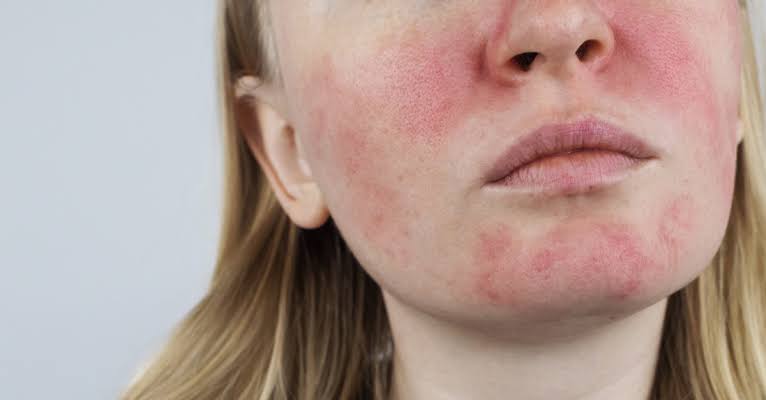
Rosacea is a long-term skin condition that often affects the face, leading to redness, visible blood vessels, and sometimes small, acne-like bumps. Many people in Pakistan mistakenly believe it is simply a “skin allergy” or a temporary reaction, which leads to delayed treatment and worsening symptoms. In reality, rosacea is a chronic inflammatory condition that requires proper understanding and consistent care. One of the most searched concerns among patients today is Rosacea Treatment In Islamabad, as awareness about skin health continues to grow and more people seek accurate information instead of myths. Understanding the truth about this condition is the first step toward managing it effectively and improving skin confidence.
What Rosacea Really Is and How It Develops
Rosacea is not caused by poor hygiene, nor is it contagious. It is a complex condition influenced by genetics, immune system response, and environmental triggers. People with fair or sensitive skin are more commonly affected, but it can appear in anyone. Symptoms usually include persistent facial redness, flushing, visible capillaries, and sometimes eye irritation.
A common misconception is that rosacea only appears in older adults. However, many individuals begin noticing early signs in their twenties or thirties. Another myth is that it disappears on its own. In truth, without proper management, it can worsen over time, leading to more visible skin changes and discomfort.
Common Myths About Rosacea You Should Stop Believing
One of the biggest myths is that rosacea is just severe acne. While both conditions may look similar, they are completely different in causes and treatment approaches. Acne is mainly related to clogged pores and bacteria, while rosacea is linked to inflammation and vascular sensitivity. Treating rosacea like acne often leads to irritation and worsening of symptoms.
Another misconception is that spicy food is the only trigger. Although spicy foods can trigger flare-ups, they are not the sole cause. Heat, sun exposure, emotional stress, caffeine, and certain skincare products can also worsen symptoms. Understanding individual triggers is essential for better control.
Some people also believe that makeup completely worsens rosacea. This is not true when non-irritating, dermatologist-friendly products are used. The key is choosing gentle formulations rather than avoiding makeup altogether.
Facts About Rosacea That Help in Better Management
Rosacea cannot be permanently cured, but it can be effectively controlled. Early identification and proper skincare routines can significantly reduce flare-ups and improve skin appearance. Consistency is more important than quick fixes.
Sun protection plays a major role in managing symptoms. Even minimal sun exposure can trigger redness and irritation, making sunscreen a daily necessity. Gentle cleansing, avoiding harsh scrubs, and using soothing skincare ingredients can help maintain balance in the skin barrier.
Lifestyle adjustments are equally important. Stress management, avoiding extreme temperatures, and identifying dietary triggers can reduce flare frequency. Many individuals notice improvement simply by making small but consistent changes in daily habits.
Emotional Impact and Misunderstood Nature of Rosacea
Beyond physical symptoms, rosacea can also affect emotional well-being. Many people experience reduced confidence due to persistent facial redness. This often leads to social discomfort and self-consciousness. Unfortunately, misinformation increases frustration, as people try ineffective home remedies or delay seeking proper care.
Understanding that rosacea is a medical skin condition rather than a cosmetic flaw is important. With the right approach, individuals can regain control over their skin health and improve both appearance and confidence over time.
Modern Awareness and Treatment Approaches
Today, increased awareness has made it easier for people to recognize symptoms early and seek appropriate care. The focus is no longer on quick fixes but on long-term skin management strategies. Dermatology education and better skincare understanding have helped reduce the spread of myths and misinformation.
In cities like Islamabad, more individuals are researching accurate solutions and professional guidance instead of relying on unverified home treatments. This shift in awareness is helping people understand their condition more clearly and manage it more effectively.
How Lifestyle Changes Support Skin Improvement
Daily habits play a powerful role in managing rosacea symptoms. Avoiding excessive sun exposure, reducing alcohol intake, and limiting exposure to known triggers can significantly reduce flare-ups. Maintaining a balanced diet and staying hydrated also supports overall skin health.
Gentle skincare routines are essential. Using fragrance-free products and avoiding harsh exfoliants can protect the skin barrier. Over time, these habits contribute to calmer, healthier-looking skin and fewer flare-ups.
Importance of Awareness in Skin Conditions
Skin conditions like rosacea are often misunderstood, especially in regions where awareness is still developing. Many individuals confuse symptoms with temporary irritation, which delays proper care. Education plays a vital role in changing this perception.
By understanding the difference between myths and facts, individuals can make informed decisions and avoid unnecessary treatments that may worsen their condition. Early awareness is the key to better long-term results.
Conclusion
Rosacea is a manageable condition when properly understood and cared for. Misconceptions often lead to delayed treatment and increased discomfort, but accurate information can make a significant difference. With the right knowledge and consistent care, individuals can achieve healthier and more balanced skin. Seeking clarity and avoiding myths is the first step toward improvement. In today’s world of growing skincare awareness, Rosacea Treatment In Islamabad continues to be a topic of interest for those looking to understand and manage this condition more effectively.
FAQs
What is the main cause of rosacea?
Rosacea is caused by a combination of genetic, environmental, and immune-related factors. It is not caused by poor hygiene or infection.
Can rosacea be permanently cured?
There is no permanent cure, but symptoms can be effectively controlled with proper skincare and lifestyle management.
Is rosacea the same as acne?
No, rosacea is an inflammatory skin condition, while acne is caused by clogged pores and bacteria.
What triggers rosacea flare-ups?
Common triggers include sun exposure, stress, spicy food, alcohol, and extreme temperatures.
Can skincare products worsen rosacea?
Yes, harsh or irritating products can worsen symptoms, while gentle skincare helps improve skin condition.