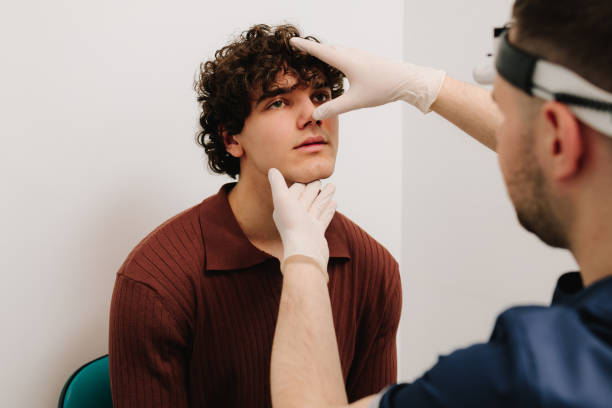
A deviated nasal septum can quietly affect daily life, making breathing difficult, disturbing sleep, and reducing overall comfort. Many individuals struggle with chronic nasal blockage without realizing that a structural issue inside the nose may be the cause. When non-surgical methods no longer provide relief, a corrective procedure becomes an important consideration for long-term improvement. In modern medical practice, Septoplasty In Islamabad has become a widely recognized solution for individuals seeking better airflow, improved breathing, and enhanced quality of life without unnecessary complications.
This guide explains everything you need to know about septoplasty, including how it works, what to expect, and how recovery typically progresses.
Understanding a Deviated Nasal Septum
The nasal septum is the thin wall of cartilage and bone that divides the nose into two passages. Ideally, it sits in the center, allowing smooth airflow on both sides. However, in many people, this structure is shifted to one side, creating an imbalance.
A deviated septum can be present from birth or develop after injury. Even minor shifts can lead to noticeable symptoms such as nasal congestion, snoring, and frequent sinus infections. When the deviation becomes severe, it can significantly impact breathing efficiency and overall nasal function.
What Septoplasty Actually Does
Septoplasty is a corrective procedure designed to straighten the nasal septum. Unlike cosmetic nose surgery, its primary goal is functional improvement rather than external appearance changes.
During the process, the internal structure of the septum is carefully adjusted to create balanced airflow through both nasal passages. This allows the individual to breathe more freely and comfortably. The procedure is often recommended when breathing difficulties interfere with sleep, exercise, or daily activities.
Who May Need Septoplasty
Not everyone with a slightly crooked septum requires surgery. However, septoplasty may be considered when symptoms begin to affect quality of life. Common indicators include persistent nasal blockage, difficulty breathing through one or both sides of the nose, recurring sinus infections, or loud snoring caused by restricted airflow.
People who rely heavily on mouth breathing due to nasal obstruction may also benefit from evaluation. A thorough assessment helps determine whether structural correction is the right step.
The Procedure Experience
Septoplasty is typically performed with precision to ensure internal correction while preserving the natural structure of the nose. The process focuses on reshaping or repositioning the deviated portions of cartilage and bone.
The surgery is usually completed inside the nasal cavity, meaning there are no visible external cuts. This internal approach helps minimize visible changes while improving functionality. The duration varies depending on the complexity of the deviation, but the focus remains on restoring proper airflow balance.
In many cases, patients return home the same day after observation and initial recovery.
Recovery and Healing Process
Recovery plays an important role in the overall success of septoplasty. In the first few days, mild swelling, congestion, or discomfort is common as the body begins to heal. These effects gradually reduce over time.
Breathing improvements may not be immediate, as internal healing continues for several weeks. Most individuals notice gradual progress as swelling decreases and nasal passages stabilize. Rest, hydration, and following post-care instructions support a smoother recovery journey.
Strenuous physical activities are generally avoided during early healing to prevent unnecessary pressure on the nasal structure.
Benefits of Septoplasty
The primary benefit of septoplasty is improved breathing. Once the nasal passage is corrected, airflow becomes more balanced, reducing the effort required to breathe through the nose.
Better sleep quality is another major advantage, as reduced obstruction can help minimize snoring and nighttime breathing disruptions. Many individuals also experience fewer sinus-related issues due to improved drainage and airflow.
Overall comfort during daily activities, exercise, and rest significantly improves, contributing to a better quality of life.
Possible Risks and Considerations
Like any medical procedure, septoplasty carries some potential risks, although complications are generally uncommon. Temporary swelling, minor bleeding, or nasal dryness may occur during healing.
In rare cases, symptoms may persist if the deviation is complex or if healing varies from person to person. A careful evaluation before the procedure helps minimize these risks and ensures appropriate planning.
Long-Term Results and Expectations
The results of septoplasty are long-lasting in most cases. Once the nasal structure is corrected and healing is complete, improved airflow typically remains stable. However, natural changes in the body or injury in the future can affect outcomes.
Maintaining nasal health, avoiding trauma, and following general wellness practices can help preserve results for many years.
Lifestyle Improvements After Surgery
After recovery, many individuals notice subtle but meaningful improvements in daily life. Breathing becomes easier during conversations, exercise feels less tiring, and sleep becomes more restful.
Even simple activities like walking outdoors or climbing stairs feel more comfortable when nasal airflow is no longer restricted. These changes often contribute to better energy levels and overall well-being.
Final Thoughts
Septoplasty is more than just a corrective procedure; it is a step toward restoring natural breathing comfort and improving everyday life. By addressing the internal structure of the nose, it helps eliminate long-standing issues that many people silently endure. With proper evaluation and recovery care, results can be both effective and lasting, making Septoplasty In Islamabad a trusted option for those seeking functional nasal improvement.
FAQs
What is septoplasty used for?
Septoplasty is used to correct a deviated nasal septum and improve airflow through the nose.
Is septoplasty a painful procedure?
Discomfort is usually mild to moderate and manageable during the recovery phase.
How long does recovery take?
Initial recovery takes about a week, while full internal healing may take several weeks.
Will septoplasty change the shape of my nose?
No, the procedure focuses on internal correction and does not significantly alter external appearance.
When can normal activities be resumed?
Light activities can resume within a few days, while strenuous activities should be avoided for a few weeks.