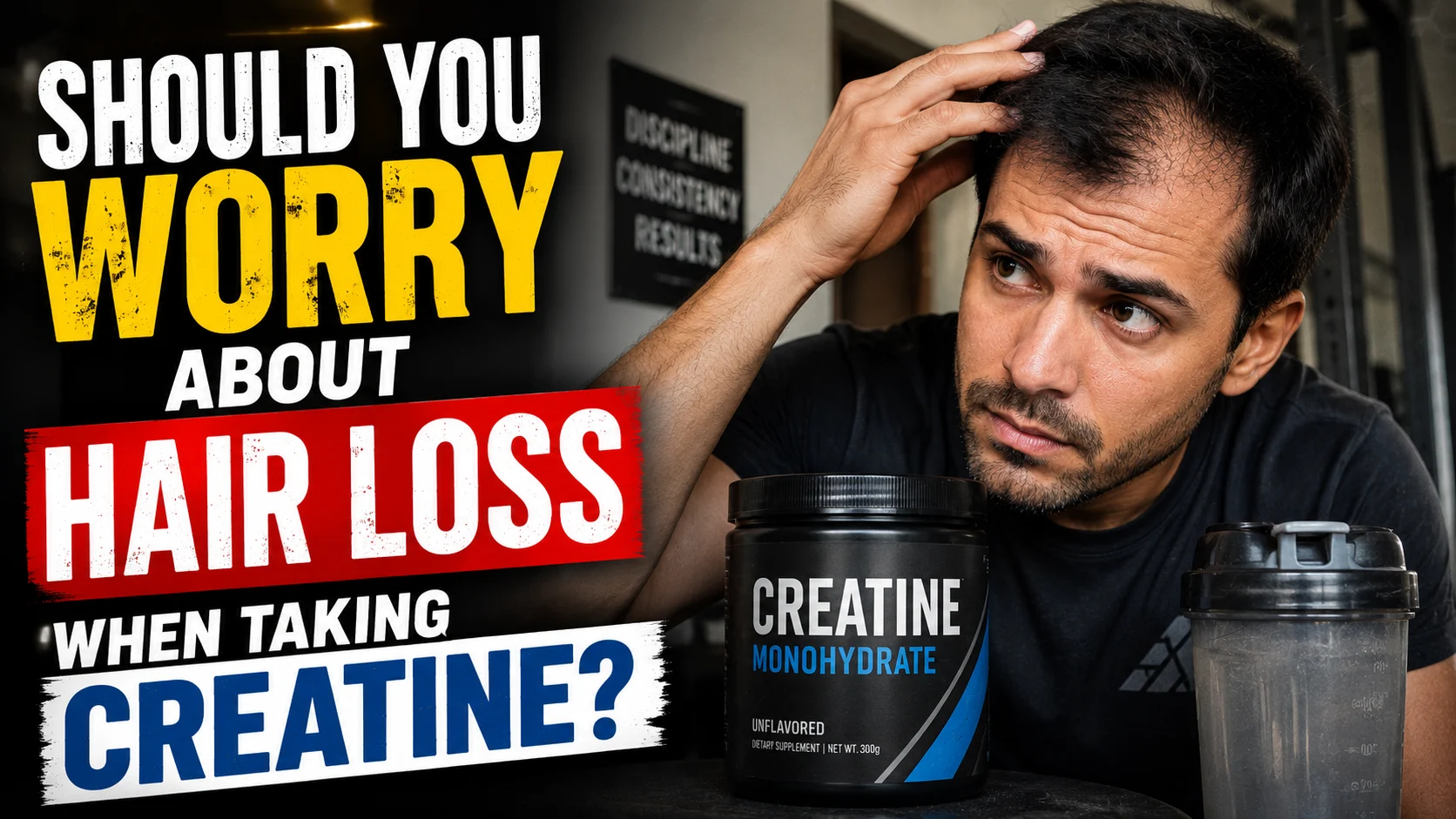
Creatine is one of the most popular and scientifically studied supplements in the fitness industry. Despite its proven benefits for strength, muscle growth, and athletic performance, a common concern continues to circulate among gym-goers: Does creatine cause hair loss?
Many people avoid creatine because they fear it may lead to thinning hair or even baldness. However, recent research suggests that this belief may be more myth than fact.
Understanding Creatine
Creatine is a naturally occurring compound made from three amino acids:
- Glycine
- Arginine
- Methionine
The body produces creatine naturally, and it is also found in foods such as meat and fish. Its primary role is to help generate ATP (adenosine triphosphate), the body’s main source of energy during high-intensity exercise.
This is why creatine supplementation is widely used by athletes, bodybuilders, and fitness enthusiasts looking to improve strength and performance.
Where Did the Hair Loss Myth Come From?
The concern about creatine and hair loss largely originated from an older study that suggested creatine supplementation might increase levels of DHT (Dihydrotestosterone).
DHT is a hormone linked to androgenetic alopecia, commonly known as male and female pattern hair loss. Since elevated DHT levels can contribute to hair follicle miniaturization in genetically susceptible individuals, many people assumed that creatine automatically causes hair loss.
However, this assumption was based on limited evidence and was never conclusively proven.
What Does the Latest Research Say?
More recent research has challenged the belief that creatine directly causes hair loss. A 2025 study examined healthy participants who consumed 5 grams of creatine daily for 12 weeks. Researchers monitored factors associated with hair health, including hormone levels and potential signs of hair thinning.
The findings were significant:
- No confirmed increase in DHT levels was observed.
- No measurable increase in hair shedding occurred.
- No evidence suggested accelerated hair thinning.
- Participants did not experience creatine-induced baldness.
These findings indicate that creatine supplementation alone is unlikely to be a direct cause of hair loss.
Creatine and Hair Follicles
From a biological perspective, creatine does not directly interact with hair follicles. Its primary function is energy production within muscles and cells.
Hair loss is typically influenced by factors such as:
- Genetics
- Hormonal imbalances
- Nutritional deficiencies
- Chronic stress
- Medical conditions
- Aging
Creatine’s mechanism of action is unrelated to the processes that usually trigger hair follicle miniaturization.
What Experts in Hair Restoration Believe
Organizations dedicated to hair science and restoration continue to emphasize evidence-based approaches when evaluating hair loss causes.
The Middle East Hair Research Society has consistently supported research-driven discussions surrounding hair health, transplantation techniques, and emerging therapies. Experts associated with the Middle East Hair Research Society encourage healthcare professionals to rely on clinical evidence rather than myths when advising patients about supplements and hair loss.
Similarly, leading researchers within the global regenerative medicine organization community are focusing on advanced treatments such as stem cell therapy, platelet-rich plasma (PRP), exosome therapy, and other regenerative approaches to address hair loss. These experts highlight that genetic and hormonal factors remain the primary drivers of androgenetic alopecia rather than common sports supplements like creatine.
Should You Stop Taking Creatine?
For most healthy individuals, current evidence does not support stopping creatine solely because of concerns about hair loss.
Creatine has been extensively studied for:
- Increased strength
- Improved exercise performance
- Enhanced muscle recovery
- Better training capacity
If you are experiencing significant hair loss while taking creatine, it is important to investigate other possible causes rather than automatically blaming the supplement.
When to Seek Professional Advice
If you notice:
- Rapid hair thinning
- Excessive shedding
- Receding hairline
- Bald patches
Consult a qualified hair restoration specialist or dermatologist for a proper evaluation. Hair loss often results from multiple factors, including genetics, hormonal changes, nutritional deficiencies, and underlying health conditions.
Conclusion
The claim that creatine causes baldness has been widely debated for years, but current scientific evidence does not confirm a direct link between creatine supplementation and hair loss.
Recent studies suggest that taking 5 grams of creatine daily does not significantly increase DHT levels or accelerate hair thinning. While hair loss remains a complex condition influenced by genetics and hormones, creatine itself appears unlikely to be the culprit.
As organizations such as the Middle East Hair Research Society and the broader regenerative medicine organization community continue advancing hair research, evidence-based guidance remains the best approach. Instead of relying on internet myths, focus on scientific findings, proper nutrition, and professional medical advice when addressing concerns about hair health.