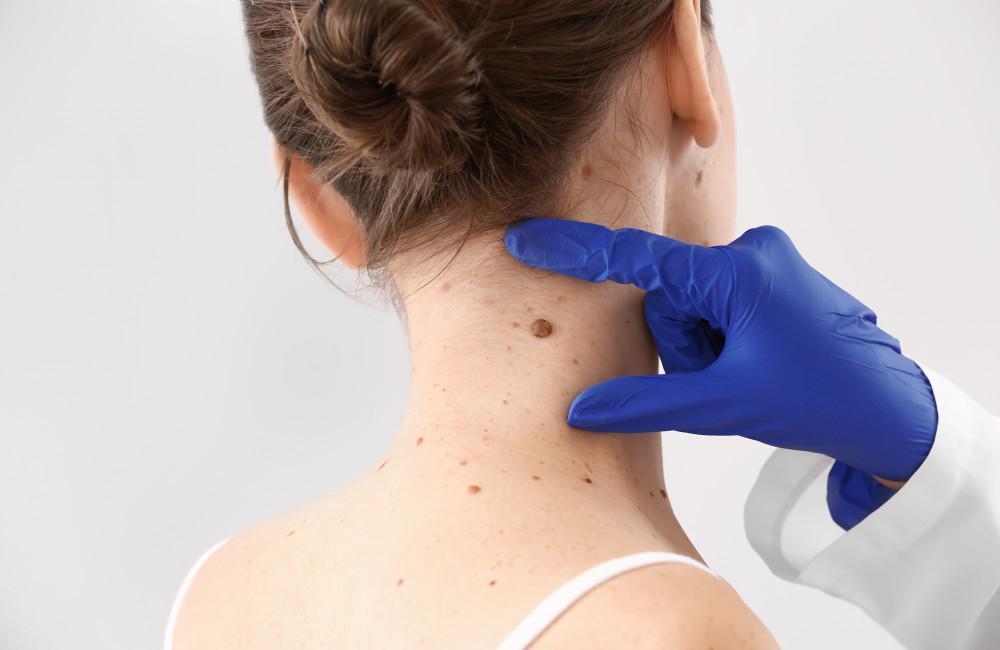
Skin tags are small, soft, and harmless growths that often appear on areas such as the neck, underarms, eyelids, and body folds. While they are not medically dangerous, they can cause discomfort, irritation from clothing, and cosmetic concerns for many individuals. In recent years, awareness about safe cosmetic skin procedures has increased significantly in Pakistan, especially among people seeking quick and reliable solutions. Many individuals now actively search for safe and modern options like Skin Tag Removal in Islamabad to better understand whether these procedures are suitable for their skin type and overall health needs. As curiosity grows, it becomes important to explore whether these removal methods are truly safe, effective, and worth considering for long-term skin comfort.
Understanding What Causes Skin Tags
Skin tags usually develop due to friction between skin surfaces or constant rubbing of clothing against the skin. They are more common in individuals who are overweight, diabetic, or experiencing hormonal changes. Genetics also play a role, meaning some people are more likely to develop them than others. Although harmless, they tend to increase in number over time if the underlying conditions remain unchanged. Understanding their causes helps individuals take preventive steps and reduce unnecessary skin irritation.
Is Skin Tag Removal Safe?
One of the most common questions people ask is whether removing skin tags is safe. In general, skin tag removal is considered safe when done using appropriate and hygienic methods. Since skin tags are non-cancerous, their removal does not usually involve major medical risk. However, safety depends on proper technique, skin condition, and aftercare practices. Improper handling or attempting to remove them without care can lead to infection, scarring, or skin irritation. That is why understanding safe approaches is essential before making any decision.
Effectiveness of Modern Skin Tag Removal Approaches
Modern skin tag removal methods have become increasingly effective due to advancements in skin care technology. These approaches are designed to target only the unwanted tissue while preserving surrounding healthy skin. Many individuals report quick results with minimal discomfort when proper techniques are used. The effectiveness often depends on the size, number, and location of skin tags. Smaller skin tags are generally easier to treat, while larger ones may require more attention. Overall, these modern techniques provide reliable outcomes and have made skin tag concerns much easier to manage.
What to Expect During the Process
The process of removing skin tags is usually straightforward and does not require complex preparation. The skin area is first cleaned to ensure hygiene, and then the chosen method is applied to remove the tag. Most procedures are quick and completed within a short time. Individuals may feel slight discomfort, but it is generally manageable. After the procedure, the treated area may appear slightly red or sensitive for a short period. This is a normal response and typically heals naturally within a few days.
Aftercare and Healing Tips
Proper aftercare plays a significant role in ensuring smooth healing and preventing complications. Keeping the area clean and avoiding unnecessary friction helps the skin recover faster. It is also important to avoid scratching or picking at the treated area, as this can slow down healing. Moisturizing the skin gently can support recovery and reduce dryness. In most cases, the skin heals naturally without leaving noticeable marks when proper care is followed consistently.
Myths and Misconceptions About Skin Tag Removal
There are several myths surrounding skin tag removal that often create confusion. One common misconception is that skin tags will grow back immediately after removal, which is not usually true unless underlying causes persist. Another myth is that all removal methods are painful, but in reality, modern techniques are designed to minimize discomfort. Some people also believe that skin tags indicate serious health issues, which is generally not the case. Clearing these misconceptions helps individuals make informed decisions without unnecessary fear or hesitation.
Importance of Choosing Safe Practices
Safety should always be the top priority when dealing with any skin-related concern. Using proper methods ensures that the skin remains healthy and free from complications. Avoiding unverified or unsafe practices is essential for preventing long-term damage. With the right knowledge and awareness, individuals can make confident choices about their skin health and avoid unnecessary risks.
Emotional and Cosmetic Benefits
Removing skin tags is not only a physical improvement but also boosts confidence and comfort. Many individuals feel more comfortable wearing certain clothing styles after removal. It also reduces irritation caused by friction, leading to improved daily comfort. The cosmetic improvement often enhances self-esteem, especially when skin tags are located in visible areas.
Conclusion
Skin tags may be harmless, but they can still affect comfort and confidence in daily life. With growing awareness and improved skincare solutions, more people are exploring safe options for removal. Understanding the safety, effectiveness, and aftercare process helps individuals make informed choices. Whether for cosmetic reasons or comfort, many people now consider Skin Tag Removal in Islamabad as a reliable way to achieve smoother and clearer skin when done with proper care and attention.
FAQs
Are skin tags dangerous to health?
Skin tags are generally harmless and do not indicate any serious medical condition. They are mostly cosmetic concerns.
Can skin tags go away on their own?
In most cases, skin tags do not disappear without treatment and may remain unless removed.
Is the removal process painful?
Most modern removal approaches are designed to minimize discomfort and are usually well tolerated.
Can skin tags come back after removal?
They do not usually return in the same spot, but new ones may develop in other areas due to underlying factors.
How long does healing take after removal?
Healing is typically quick and may take a few days depending on skin type and care routine.