Soft tissue injuries are among the most common orthopedic conditions affecting people of all ages. Whether caused by sports, accidents, falls, or daily activities, these injuries can significantly impact mobility and quality of life if left untreated. If you are looking for the best treatment for Soft Tissue Injury in Raj Nagar Extension, seeking timely medical attention from an experienced orthopedic specialist is essential.
Dr. Abhinav Kush, a trusted orthopedic specialist in Raj Nagar Extension, provides comprehensive diagnosis and personalized treatment plans for various soft tissue injuries. With advanced diagnostic techniques and evidence-based treatment approaches, patients receive the right care to achieve faster recovery and return to their normal activities.
In this comprehensive guide, we will discuss everything you need to know about soft tissue injuries, including their causes, symptoms, diagnosis, treatment options, recovery process, and preventive measures.
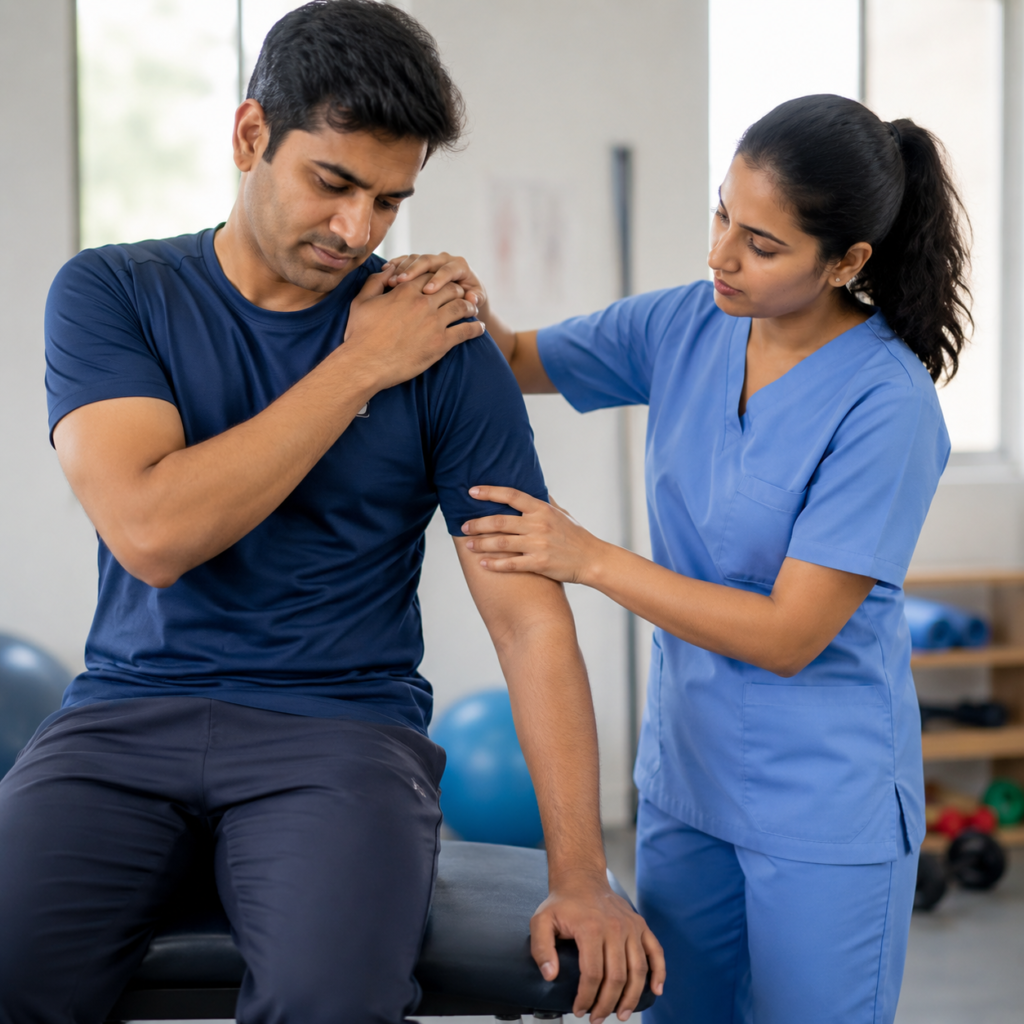
What is a Soft Tissue Injury?
A soft tissue injury refers to damage involving muscles, tendons, ligaments, fascia, or connective tissues rather than bones. These injuries range from mild strains to severe ligament tears requiring surgical intervention.
Soft tissues play a vital role in stabilizing joints, supporting movement, and absorbing physical stress. When these tissues become stretched, torn, or bruised, pain and functional limitations occur.
Common soft tissue injuries include:
- Muscle strains
- Ligament sprains
- Tendon injuries
- Contusions (bruises)
- Tendinitis
- Bursitis
Early diagnosis ensures better healing while reducing the risk of chronic pain and long-term complications.
Common Causes of Soft Tissue Injury
Several factors contribute to soft tissue injuries, including:
Sports Injuries
Athletes frequently experience ligament sprains, muscle tears, and tendon injuries due to sudden movements or excessive physical activity.
Falls and Accidents
Road traffic accidents, slips, and falls often result in muscle damage and ligament injuries.
Repetitive Stress
Performing repetitive tasks at work or during exercise can gradually damage tendons and muscles.
Poor Posture
Improper sitting or lifting techniques increase stress on muscles and ligaments.
Sudden Twisting Movements
Unexpected twisting or awkward movements frequently cause ankle sprains and knee ligament injuries.
Types of Soft Tissue Injuries
1. Sprains
A sprain occurs when ligaments connecting bones become overstretched or torn.
Common symptoms include:
- Swelling
- Pain
- Bruising
- Joint instability
2. Strains
A strain affects muscles or tendons.
Typical symptoms include:
- Muscle pain
- Weakness
- Limited movement
- Muscle spasms
3. Tendinitis
Inflammation of the tendon due to repetitive movement is known as tendinitis.
It commonly affects:
- Shoulder
- Elbow
- Wrist
- Knee
- Achilles tendon
4. Bursitis
Bursae are small fluid-filled sacs that reduce friction between bones and soft tissues. Their inflammation causes bursitis.
Common sites include:
- Shoulder
- Hip
- Knee
- Elbow
5. Muscle Tears
Severe muscle injuries may involve partial or complete tearing of muscle fibers, leading to significant pain and reduced function.
Symptoms of Soft Tissue Injury
Symptoms vary depending on the severity of the injury.
Common warning signs include:
- Sudden pain
- Swelling
- Bruising
- Tenderness
- Difficulty moving the affected area
- Muscle weakness
- Joint stiffness
- Reduced range of motion
- Instability while walking or standing
Ignoring these symptoms may delay healing and increase the risk of chronic orthopedic problems.
How is Soft Tissue Injury Diagnosed?
Proper diagnosis helps determine the severity of the injury and guides effective treatment.
Dr. Abhinav Kush performs a detailed orthopedic evaluation that may include:
Physical Examination
Assessment of:
- Pain location
- Swelling
- Joint stability
- Muscle strength
- Range of motion
Imaging Tests
Depending on the injury, diagnostic tests may include:
- Digital X-rays (to rule out fractures)
- Ultrasound
- MRI scans for ligament, tendon, and muscle injuries
Accurate diagnosis ensures appropriate treatment and faster recovery.
Treatment for Soft Tissue Injury in Raj Nagar Extension
Treatment depends on the severity of the injury.
1. RICE Therapy
The first step for many acute injuries includes:
- Rest
- Ice application
- Compression
- Elevation
This helps reduce swelling and pain during the initial stages.
2. Medications
Pain-relieving and anti-inflammatory medications may be prescribed to reduce discomfort and inflammation.
3. Physiotherapy
A structured rehabilitation program helps restore:
- Muscle strength
- Flexibility
- Balance
- Joint function
Physiotherapy also minimizes the risk of future injuries.
4. Bracing or Support
Certain ligament injuries require braces or supportive devices to stabilize the affected joint during healing.
5. Advanced Orthopedic Care
For severe ligament tears, tendon ruptures, or complex injuries, minimally invasive orthopedic procedures or surgery may be recommended.
Dr. Abhinav Kush specializes in providing individualized treatment plans based on each patient’s condition, ensuring optimal recovery and long-term mobility.
Recovery After Soft Tissue Injury
Recovery time varies according to injury severity.
General recovery estimates include:
- Mild injuries: 1–3 weeks
- Moderate injuries: 4–8 weeks
- Severe injuries: Several months
Recovery can be improved by:
- Following medical advice
- Completing physiotherapy sessions
- Avoiding premature return to sports
- Maintaining proper nutrition
- Performing prescribed exercises regularly
Preventing Soft Tissue Injuries
Although not every injury can be prevented, these habits significantly reduce the risk:
- Warm up before exercise
- Stretch regularly
- Maintain proper posture
- Wear appropriate footwear
- Use correct lifting techniques
- Avoid overtraining
- Build muscle strength gradually
- Stay physically active
Prevention is always better than prolonged treatment and rehabilitation.
Why Choose Dr. Abhinav Kush for Soft Tissue Injury in Raj Nagar Extension?
Choosing the right orthopedic specialist plays a vital role in successful recovery.
Patients trust Dr. Abhinav Kush because of:
- Comprehensive orthopedic evaluation
- Personalized treatment plans
- Expertise in sports injuries and trauma care
- Modern diagnostic facilities
- Dedicated physiotherapy support
- Patient-focused approach
- Advanced orthopedic treatment techniques
Whether you have a minor sprain or a complex ligament injury, early consultation can help prevent complications and improve recovery outcomes.
Conclusion
Soft tissue injuries should never be ignored. Early diagnosis and appropriate orthopedic treatment help reduce pain, restore mobility, and prevent long-term complications. If you are experiencing persistent pain, swelling, or restricted movement after an injury, consult Dr. Abhinav Kush for expert evaluation and personalized treatment for Soft Tissue Injury in Raj Nagar Extension.
With modern diagnostic facilities, evidence-based treatment, and comprehensive rehabilitation, you can regain strength, mobility, and confidence to return to your daily activities.
Frequently Asked Questions (FAQs)
1. What is the most common soft tissue injury?
Sprains and muscle strains are the most common soft tissue injuries. They usually occur due to sports activities, falls, lifting heavy objects, or sudden twisting movements.
2. How long does a soft tissue injury take to heal?
Recovery depends on the severity of the injury. Mild injuries often heal within 2–3 weeks, while moderate to severe injuries may require several weeks or months with proper treatment and rehabilitation.
3. When should I consult an orthopedic specialist for a soft tissue injury?
You should consult an orthopedic specialist if pain, swelling, bruising, or difficulty moving the affected area persists for more than a few days, or if you are unable to bear weight or perform normal daily activities after the injury.