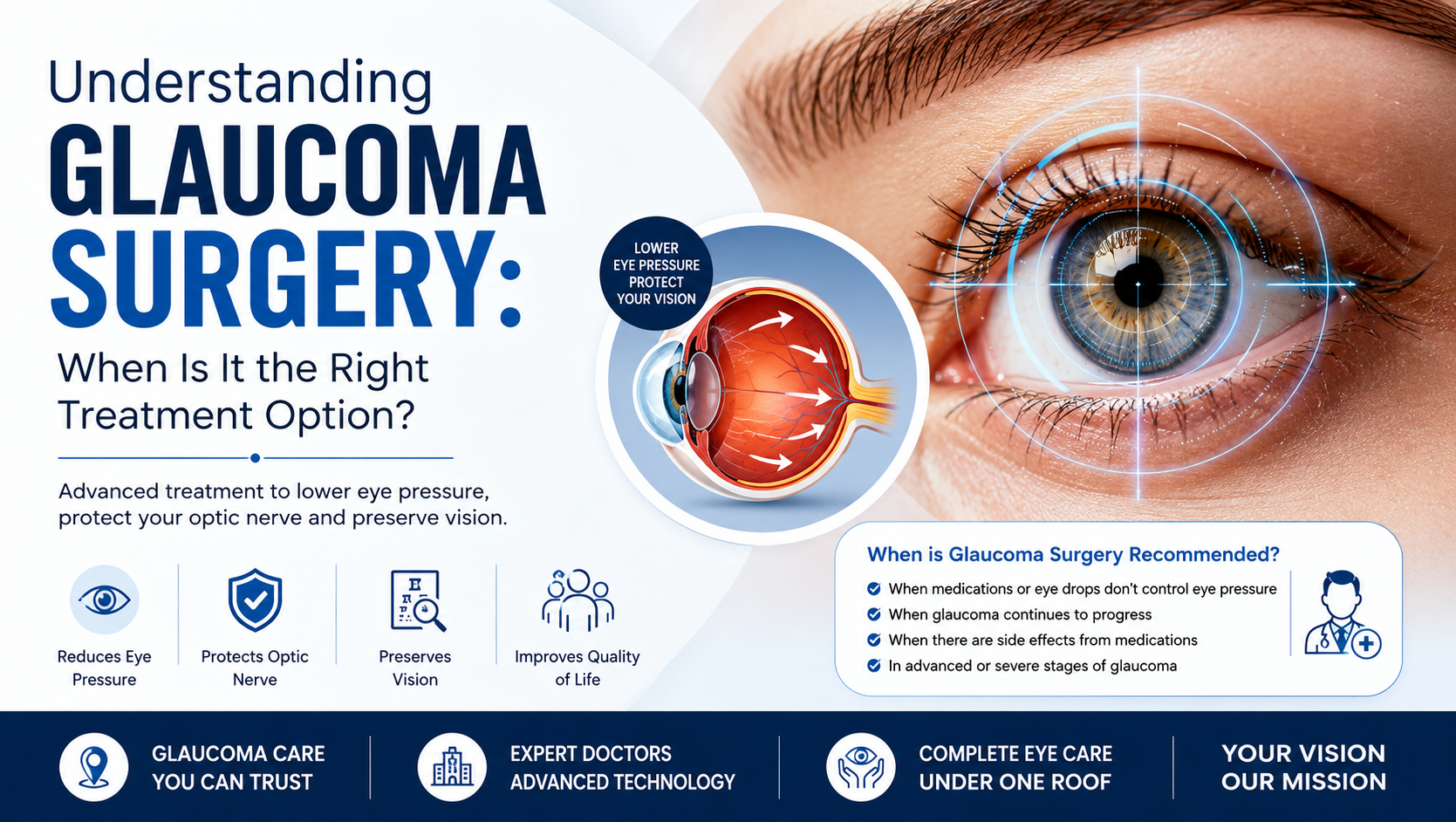
Glaucoma is one of the most common causes of irreversible blindness worldwide. Often referred to as the “silent thief of sight,” this eye condition can gradually damage the optic nerve without causing noticeable symptoms in its early stages. If left untreated, glaucoma can lead to permanent vision loss. Fortunately, modern treatment options, including Glaucoma Surgery in Ahmedabad, can help manage the condition effectively and preserve vision for the long term.
Understanding when glaucoma surgery becomes necessary is crucial for protecting your eyesight and maintaining your quality of life.
What Is Glaucoma?
Glaucoma is a group of eye diseases that damage the optic nerve, usually due to increased pressure inside the eye, known as intraocular pressure (IOP). The optic nerve plays a vital role in transmitting visual information from the eye to the brain. When excessive pressure damages this nerve, vision loss can occur.
Some common risk factors for glaucoma include:
- Age over 40 years
- Family history of glaucoma
- Diabetes
- High blood pressure
- Severe nearsightedness
- Previous eye injuries
Because glaucoma often develops without warning signs, regular eye examinations at a trusted Eye Hospital in Ahmedabad are essential for early detection and treatment.
Symptoms of Glaucoma
In the early stages, glaucoma may not cause noticeable symptoms. As the disease progresses, patients may experience:
- Gradual loss of peripheral vision
- Blurred vision
- Eye pain or discomfort
- Headaches
- Halos around lights
- Sudden vision changes in severe cases
Early diagnosis significantly improves treatment outcomes and helps prevent irreversible vision loss.
How Is Glaucoma Treated?
The primary goal of glaucoma treatment is to reduce intraocular pressure and prevent further optic nerve damage. Depending on the severity of the condition, treatment options may include:
Medications
Prescription eye drops are often the first line of treatment. These medications help lower eye pressure by either reducing fluid production or improving fluid drainage.
Laser Therapy
Laser procedures can improve the eye’s drainage system and reduce pressure. Laser treatment is commonly recommended for patients who do not respond adequately to medications.
Glaucoma Surgery
When medications and laser treatments fail to control the condition effectively, Glaucoma Surgery in Ahmedabad may be recommended to achieve better long-term pressure management.
When Is Glaucoma Surgery the Right Treatment Option?
Glaucoma surgery is not always the first treatment choice. However, it becomes necessary under certain circumstances.
1. Eye Pressure Remains Uncontrolled
If medications and laser treatments are unable to lower eye pressure to safe levels, surgery may be required to prevent further damage to the optic nerve.
2. Progressive Vision Loss
Some patients continue to lose vision despite ongoing treatment. In such cases, surgery can help stabilize the condition and reduce the risk of further deterioration.
3. Medication Side Effects
Certain glaucoma medications may cause side effects such as redness, irritation, allergies, or systemic health issues. Surgery may provide a more effective long-term solution.
4. Difficulty Following Medication Schedules
Glaucoma often requires lifelong treatment. Patients who struggle with daily medication schedules may benefit from surgical intervention.
5. Advanced Glaucoma
Patients diagnosed with advanced glaucoma may require immediate surgical treatment to preserve their remaining vision.
Consulting an experienced specialist at a leading Eye Hospital in Ahmedabad can help determine the most appropriate treatment plan.
Types of Glaucoma Surgery
Advancements in ophthalmology have made glaucoma surgery safer and more effective than ever before.
Trabeculectomy
Trabeculectomy is one of the most commonly performed glaucoma surgeries. During the procedure, a small drainage channel is created to allow excess fluid to leave the eye, reducing intraocular pressure.
Glaucoma Drainage Implants
Tiny tubes or drainage devices are implanted to improve fluid outflow and maintain healthy eye pressure levels.
Minimally Invasive Glaucoma Surgery (MIGS)
MIGS procedures are designed to reduce eye pressure with minimal tissue disruption. These surgeries offer:
- Faster recovery
- Smaller incisions
- Lower complication rates
- Reduced discomfort
Laser-Assisted Surgical Procedures
Certain laser treatments can be used alongside traditional surgery to enhance fluid drainage and pressure control.
Benefits of Glaucoma Surgery
Modern Glaucoma Surgery in Ahmedabad offers numerous advantages for eligible patients:
- Better control of intraocular pressure
- Reduced risk of optic nerve damage
- Preservation of remaining vision
- Lower dependence on eye drops
- Improved long-term eye health
- Enhanced quality of life
Early intervention often leads to better outcomes and reduced risk of permanent vision loss.
What to Expect During Recovery
Recovery after glaucoma surgery varies depending on the procedure performed. Most patients experience gradual improvement over several weeks.
Patients are generally advised to:
- Use prescribed eye medications
- Attend regular follow-up appointments
- Avoid heavy lifting and strenuous activities
- Protect the eyes from dust and injury
- Follow all post-operative instructions carefully
Regular monitoring at a reputable Eye Hospital in Ahmedabad ensures optimal healing and long-term success.
Why Choose a Specialized Eye Hospital for Glaucoma Treatment?
Glaucoma management requires advanced diagnostic technology, experienced ophthalmologists, and personalized treatment planning. Choosing a well-equipped Eye Hospital in Ahmedabad ensures access to comprehensive glaucoma care, from early diagnosis to advanced surgical treatment.
A specialized eye care center can provide:
- Comprehensive glaucoma screening
- Advanced imaging and diagnostics
- Customized treatment plans
- Modern surgical techniques
- Long-term follow-up care
Conclusion
Glaucoma is a serious eye condition that can lead to irreversible blindness if not treated promptly. While medications and laser therapy are effective for many patients, surgery becomes the best option when eye pressure remains uncontrolled or vision continues to deteriorate. Modern Glaucoma Surgery in Ahmedabad offers safe and effective solutions to preserve vision and improve long-term eye health.
If you or a loved one has been diagnosed with glaucoma, consulting an experienced specialist at a trusted Eye Hospital in Ahmedabad can help you explore the most suitable treatment options and protect your eyesight for years to come.
Frequently Asked Questions (FAQs)
What is glaucoma surgery?
Glaucoma surgery is a procedure designed to lower eye pressure by improving fluid drainage and preventing further optic nerve damage.
When is glaucoma surgery necessary?
Surgery is recommended when medications and laser treatments are unable to control eye pressure or when glaucoma continues to progress.
Can glaucoma surgery restore lost vision?
No. Glaucoma surgery cannot restore vision that has already been lost, but it can help preserve the remaining vision and prevent further damage.
Is glaucoma surgery safe?
Yes. Modern glaucoma surgeries are generally safe and effective when performed by experienced eye specialists using advanced technology.
How long does recovery take after glaucoma surgery?
Most patients recover within a few weeks, although complete healing may take several months depending on the procedure.
What is the success rate of glaucoma surgery?
Glaucoma surgery has a high success rate in reducing eye pressure and slowing the progression of vision loss.
Are there different types of glaucoma surgery?
Yes. Common options include Trabeculectomy, Glaucoma Drainage Implants, Minimally Invasive Glaucoma Surgery (MIGS), and laser-assisted procedures.
How can I find the best Eye Hospital in Ahmedabad for glaucoma treatment?
Choose a hospital with experienced glaucoma specialists, advanced diagnostic equipment, modern surgical facilities, and a strong track record in comprehensive eye care.