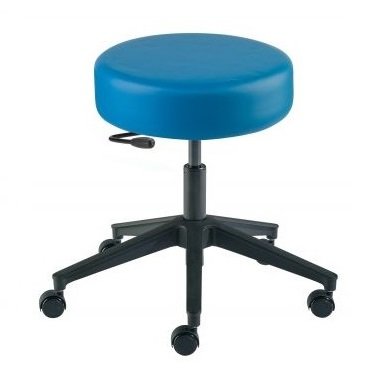
High-precision laboratories demand accuracy, consistency, and focus. Whether you are conducting research, assembling sensitive components, or performing detailed inspections, your performance depends on more than advanced equipment. The furniture you use every day also plays a significant role. One of the most overlooked yet essential pieces of laboratory furniture is the ergonomic lab chair.
When you spend hours working at a laboratory bench or workstation, poor seating can lead to discomfort, fatigue, and reduced productivity. Investing in ergonomic seating helps you maintain proper posture, improves concentration, and creates a safer working environment. If you want to optimize both employee well-being and laboratory efficiency, ergonomic seating deserves your attention.
How Ergonomic Lab Chairs Improve Comfort
You may spend several hours seated while performing repetitive laboratory tasks. Standard office chairs are not designed for cleanrooms, laboratories, or controlled environments. Ergonomic lab chairs are specifically engineered to provide support while meeting strict cleanliness and durability standards.
Quality lab chairs feature adjustable seat height, lumbar support, seat tilt, foot rings, and durable materials that withstand laboratory chemicals and disinfectants. These features allow you to customize your seating position according to your workstation and body type.
When your body is properly supported, you experience less strain on your back, shoulders, neck, and legs. As a result, you remain comfortable throughout long shifts without frequent breaks caused by discomfort. Learn more about ergonomic lab chairs for cleanroom and laboratory environments.
Better Posture Leads to Better Precision
High-precision work often requires steady hands and sustained concentration. Poor posture can cause muscle fatigue, making it more difficult to perform delicate procedures accurately.
An ergonomic chair encourages a neutral sitting position that supports your spine and reduces unnecessary muscle tension. When your feet are properly supported and your elbows align comfortably with your work surface, you gain greater control over fine motor movements.
This improved posture allows you to maintain consistent performance during:
- Microscopy
- Laboratory testing
- Electronic assembly
- Pharmaceutical production
- Quality inspection
- Medical device manufacturing
Small improvements in comfort often translate into noticeable improvements in precision.
Reduced Fatigue Throughout Long Workdays
Physical fatigue directly affects mental focus. Even minor discomfort can become distracting after several hours.
Ergonomic seating minimizes pressure points by evenly distributing body weight across the seat and backrest. Adjustable features also allow you to change positions throughout the day, reducing stiffness and promoting healthy circulation.
When your body feels less fatigued, you can maintain attention to detail for longer periods while reducing the likelihood of costly mistakes.
Enhanced Laboratory Safety
Safety is always a top priority in laboratory environments. Poor seating can contribute to awkward movements, unstable positioning, and repetitive stress injuries.
Ergonomic lab chairs improve safety by providing:
- Stable bases with smooth mobility
- Adjustable height for proper workstation alignment
- Anti-static options for sensitive electronics
- Cleanroom-compatible materials
- Chemical-resistant surfaces
- Easy-to-clean construction
These features help create a safer workspace while supporting laboratory compliance and cleanliness requirements.
Increased Productivity
Productivity is closely connected to employee comfort. When you eliminate unnecessary discomfort, workers can stay focused on their tasks instead of constantly adjusting their seating position.
Comfortable employees often experience:
- Better concentration
- Fewer interruptions
- Faster task completion
- Improved work quality
- Higher job satisfaction
Over time, ergonomic furniture becomes an investment in operational efficiency rather than simply another workplace expense.
Built for Cleanroom Environments
Laboratories often require furniture that supports contamination control. Unlike traditional office chairs, laboratory seating is designed using materials that resist particle generation and simplify cleaning.
Many ergonomic lab chairs include:
- Non-porous polyurethane seating
- Vinyl upholstery
- Stainless steel components
- Cleanroom-compatible casters
- Particle-resistant construction
These specialized materials help maintain controlled environments without sacrificing user comfort.
Long-Term Health Benefits
Extended sitting with poor posture increases the risk of musculoskeletal disorders, back pain, neck strain, and repetitive stress injuries.
Choosing ergonomic seating helps reduce these risks by supporting natural spinal alignment and encouraging healthy sitting habits.
Over time, this investment may help reduce:
- Lower back pain
- Neck stiffness
- Shoulder tension
- Hip discomfort
- Leg fatigue
- Repetitive strain injuries
Healthier employees often require fewer absences and remain productive over longer careers.
Choosing the Right Lab Chair
Not every laboratory has identical requirements. Before selecting seating, consider the following factors:
- Adjustable height range
- Lumbar support
- Foot ring availability
- Weight capacity
- Chemical resistance
- Cleanroom compatibility
- Anti-static properties
- Mobility requirements
- Ease of cleaning
- Durability
Selecting a chair that matches your laboratory workflow ensures maximum comfort and long-term value.
For a wide selection of professional laboratory furniture and cleanroom solutions, visit CleaTech LLC.
Why Quality Matters
Low-cost chairs may appear economical initially, but they often wear out quickly and provide limited ergonomic support.
Premium laboratory chairs are built for demanding environments with durable materials that withstand daily use, frequent cleaning, and exposure to laboratory chemicals.
A high-quality ergonomic chair delivers consistent performance, greater reliability, and lower replacement costs over time.
Final Thoughts
If you work in a high-precision laboratory, every detail contributes to success—including your seating. Ergonomic lab chairs improve posture, reduce fatigue, enhance safety, and support accurate work throughout long shifts.
By choosing laboratory seating specifically designed for controlled environments, you create a workspace that benefits both employees and productivity. Comfortable professionals make fewer errors, stay focused longer, and perform at a higher level.
Whether you operate a research laboratory, pharmaceutical facility, electronics manufacturing plant, or cleanroom, investing in ergonomic seating is a practical step toward greater efficiency and long-term workplace health.
Explore professional laboratory furniture from CleaTech LLC and find seating solutions designed for demanding laboratory environments. Contact us today to discuss the right solution for your facility.
Frequently Asked Questions
Why are ergonomic lab chairs better than regular office chairs?
Ergonomic lab chairs are specifically designed for laboratory environments. They provide adjustable support, chemical-resistant materials, cleanroom compatibility, and improved durability that standard office chairs cannot offer.
Are ergonomic lab chairs suitable for cleanrooms?
Yes. Many ergonomic lab chairs are manufactured with low-particle materials, non-porous surfaces, and easy-to-clean components that meet cleanroom requirements.
How do ergonomic lab chairs improve productivity?
Comfortable seating reduces fatigue, improves posture, minimizes distractions, and allows laboratory professionals to remain focused during long periods of detailed work.
What features should I look for in a laboratory chair?
Look for adjustable height, lumbar support, foot rings, chemical-resistant materials, easy-to-clean surfaces, cleanroom compatibility, and durable construction.
Can ergonomic lab chairs help reduce workplace injuries? Yes. Proper ergonomic support reduces strain on the back, neck, shoulders, and joints, lowering the risk of musculoskeletal injuries caused by prolonged sitting.